News · Politics & Governance
India news: Opposition protest clouds Modi's 25-year milestone
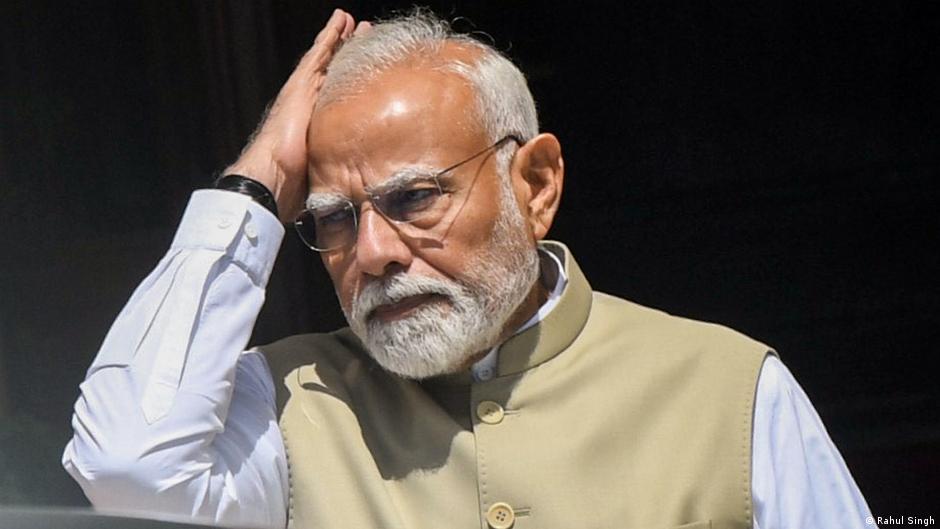
The opposition marched toward India’s Election Commission to request a meeting with Chief Election Commissioner Gyanesh Kumar. The protest reflected lawmakers’ desire to present concerns directly to the body overseeing India’s elections. It also showed growing political tension between opposition parties and election authorities. Rahul Gandhi, Priyanka Vadra, their supporters, and more than 200 other MPs joined the march. Police blocked them near the Election Commission and detained several protesters before releasing them. The next day, opposition lawmakers planned to sign a letter seeking the meeting. The Election Commission said no political party had formally requested an appointment by 4:00 p.m. It cited meeting procedures introduced in 2025 and said discussions should take place at its premises, not the Parliament House Annexe. The dispute could continue through further protests and formal requests.
Based on reporting by DW News
Why did opposition lawmakers march toward India's Election Commission and stage a sit-in?
The opposition marched toward India’s Election Commission to request a meeting with Chief Election Commissioner Gyanesh Kumar. The protest reflected lawmakers’ desire to present concerns directly to the body overseeing India’s elections. It also showed growing political tension between opposition parties and election authorities.
Rahul Gandhi, Priyanka Vadra, their supporters, and more than 200 other MPs joined the march. Police blocked them near the Election Commission and detained several protesters before releasing them. The next day, opposition lawmakers planned to sign a letter seeking the meeting.
The Election Commission said no political party had formally requested an appointment by 4:00 p.m. It cited meeting procedures introduced in 2025 and said discussions should take place at its premises, not the Parliament House Annexe. The dispute could continue through further protests and formal requests.
How large was the protest and how many opposition lawmakers were expected to continue the campaign?
The protest was large enough to involve more than 200 opposition MPs. Rahul Gandhi, Priyanka Vadra, and their supporters marched toward the Election Commission, making the demonstration a major parliamentary confrontation rather than a small gathering.
Police eventually blocked the march near the Commission. Several protesters were detained and later released. The following day, Congress President Mallikarjun Kharge invited about 150 to 200 opposition lawmakers to meet at a Delhi restaurant serving south Indian food. They were expected to sign a letter requesting the same meeting with the Chief Election Commissioner.
These figures show the opposition was trying to sustain pressure after the street protest ended. The campaign could shift from marching to formal written demands. The article does not provide a final attendance figure for the planned lunch or say whether the Election Commission accepted the request.
What is India's Election Commission, and why is the Chief Election Commissioner important to political parties?
India’s Election Commission is the constitutional authority responsible for administering elections and applying election rules. It oversees the process involving voters, political parties, candidates, and election schedules. The Chief Election Commissioner is the Commission’s leading official and an important point of contact for parties seeking clarification or raising complaints.
In this article, opposition lawmakers wanted to meet Chief Election Commissioner Gyanesh Kumar. They planned to submit a letter after more than 200 MPs marched toward the Commission. The Commission responded that no party had formally sought an appointment by 4:00 p.m. and referred to procedures introduced in 2025.
That disagreement matters because access and procedure can shape how parties challenge election decisions. The Commission also called the Parliament House Annexe an unusual venue and said any meeting should occur at its own premises. The article does not describe the opposition’s specific electoral allegations.
What happened after police blocked the march, and what legal consequences could follow from the FIR against Rahul Gandhi, Priyanka Vadra, and their supporters?
Police stopped the opposition march near the Election Commission and detained several demonstrators. They later released them. The episode then acquired a legal dimension when Delhi police registered a First Information Report, or FIR, naming Rahul Gandhi, Priyanka Vadra, their supporters, and others.
According to the article, the complaint alleges that the group forcibly entered All India Radio’s headquarters during the march. An FIR records a police allegation and begins an investigation. It is not a finding of guilt. Investigators may collect evidence, question people, and determine whether charges should be filed under applicable law.
The article does not identify the specific legal sections, arrest status, or likely penalties. Therefore, the consequences cannot be stated precisely. The case could bring questioning, court proceedings, or additional restrictions if prosecutors pursue it, but Gandhi, Vadra, and their supporters remain entitled to due process.
What does the BJP mean by marking 25 years of Narendra Modi as the head of a government?
The BJP marking 25 years of Modi in public service means celebrating roughly a quarter-century of his political and governmental leadership. The article lists this milestone alongside protests against his government and opposition criticism. It therefore presents the anniversary as both a party achievement and a politically charged moment.
The source does not specify precisely which office begins the 25-year count. Established background is that Modi became chief minister of Gujarat in 2001, before becoming India’s prime minister in 2014. That timeline explains why the BJP could describe 2026 as 25 years of government service.
The milestone gives the BJP an opportunity to highlight Modi’s long tenure and political influence. At the same time, the protests, police action, and election-related dispute show that the anniversary is unfolding amid confrontation. The article does not describe the BJP’s planned commemorative events or public messaging in detail.
What is the repo rate, and why did India's central bank raise it to 5.5%?
The repo rate is the policy interest rate that influences short-term borrowing by commercial banks from the Reserve Bank of India. Because it helps set broader borrowing costs, it affects loans, spending, investment, and inflation. The RBI raised the rate by 25 basis points, or 0.25 percentage points, to 5.5%.
The article links the decision to rising inflation, especially higher energy and food prices. Governor Sanjay Malhotra also cited renewed conflict in West Asia and more volatile global crude prices. The RBI changed its policy stance to “calibrated tightening,” signaling that controlling price pressures had become a priority.
Higher rates can reduce demand by making borrowing less attractive. They may also support the rupee by improving returns on rupee assets, although the article says currency pressures persist. Home, vehicle, and corporate loans will become more expensive, and existing borrowers may face higher monthly installments.
How can higher interest rates help control inflation and support a falling currency, and why do they also make loans more expensive?
Higher interest rates help control inflation by making loans more expensive for households and businesses. People may delay homes, cars, or other purchases. Companies may postpone investment. Weaker demand can reduce pressure on prices. Higher rates can also support a falling currency by making deposits and investments in that currency more attractive to global investors.
In India, the RBI raised the repo rate to 5.5% as energy and food prices rose. The change affects banks’ short-term funding costs. Banks commonly pass those costs to borrowers through higher home, vehicle, and corporate loan rates. Existing borrowers with variable-rate loans may see larger equated monthly installments.
The trade-off is important. Rate increases can stabilize prices and help the rupee, but they can also weaken borrowing, spending, and growth. The article says the rupee remained near record lows despite RBI measures to attract dollar inflows. Global outflows and crude prices continued to create pressure.
Key Facts:
📌 Opposition lawmakers demanded a meeting with Chief Election Commissioner Gyanesh Kumar.
📌 Police blocked the march near the Election Commission.
📌 The Election Commission cited procedures introduced in 2025.
📌 More than 200 opposition MPs joined the march.
📌 Police detained several protesters, then released them.
📌 About 150 to 200 lawmakers were expected to sign a letter.
📌 The Election Commission administers India’s elections.