News · Social Issues
French students lead massive protests against education policies
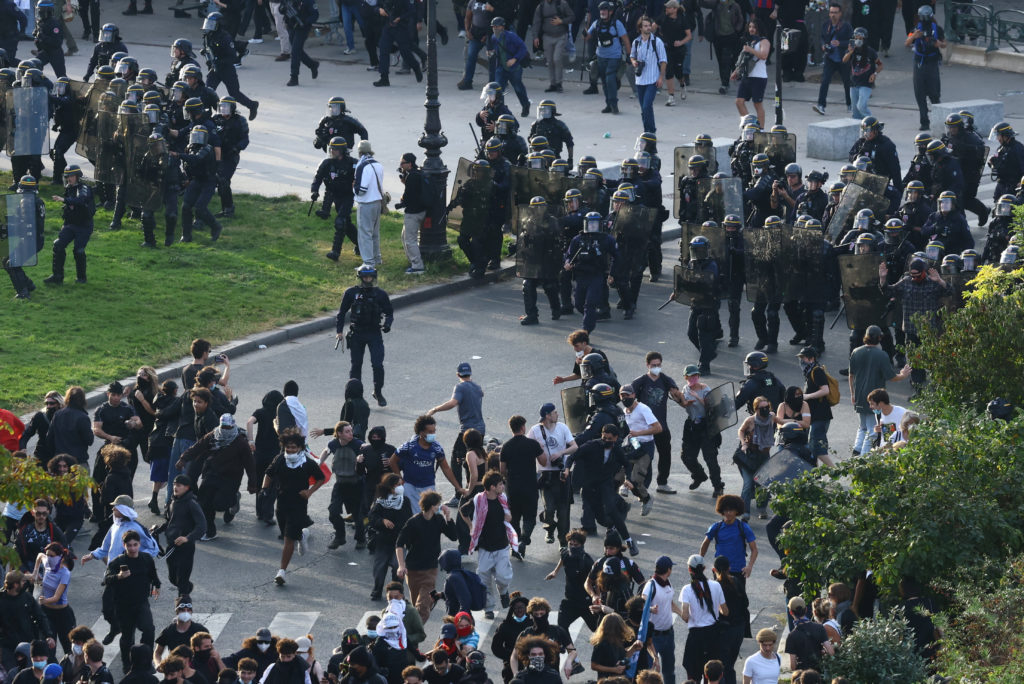
A protest is a public expression of disagreement that seeks to influence people in power. Protesters may march, strike, gather, or block access to show that an issue matters. This movement was student-led because high school students began organizing demonstrations and blockades over conditions in their schools. Their actions then drew support from parents, teachers, and unions. The movement started at one high school and spread across France. Students marched, formed blockades around hundreds of high schools, and urged others to keep fighting. One student said continuing was important despite repression, strikes, and tear gas. Their central demand was stronger government action on education. The movement became much larger than its original school base. About 56,000 students, parents, and teachers marched in Paris, while roughly 250,000 people demonstrated nationwide. The students’ continued organizing kept education problems visible, but confrontations also brought arrests, injuries, and official condemnation of violence.
Based on reporting by PBS NewsHour
What is a protest, and what made this movement student-led?
A protest is a public expression of disagreement that seeks to influence people in power. Protesters may march, strike, gather, or block access to show that an issue matters. This movement was student-led because high school students began organizing demonstrations and blockades over conditions in their schools. Their actions then drew support from parents, teachers, and unions.
The movement started at one high school and spread across France. Students marched, formed blockades around hundreds of high schools, and urged others to keep fighting. One student said continuing was important despite repression, strikes, and tear gas. Their central demand was stronger government action on education.
The movement became much larger than its original school base. About 56,000 students, parents, and teachers marched in Paris, while roughly 250,000 people demonstrated nationwide. The students’ continued organizing kept education problems visible, but confrontations also brought arrests, injuries, and official condemnation of violence.
How large was the mobilization, and how many people were arrested or injured?
The mobilization reached an extraordinary scale for a movement that began at one high school. More than 250,000 people joined demonstrations across France on the biggest protest day described in the article. The nationwide total included students, parents, teachers, and union activists. In Paris alone, 56,000 students, parents, and teachers marched.
The conflict also produced a large law-enforcement and injury toll. Since protests began in mid-September, roughly 6,000 people had been arrested. About 300 students and staff were injured. The article also reports injuries to approximately 700 police officers. These figures show that the dispute had moved beyond ordinary school demonstrations.
The size of the crowds increased pressure on the government to respond to education demands. At the same time, the arrests and injuries deepened anger among protesters and supporters. Hundreds of school blockades formed, and students said they would continue mobilizing despite police action and official criticism.
What education problems—such as inadequate funding, understaffing, overcrowding, and deteriorating buildings—are protesters demanding the government address?
The protesters are demanding better-funded public education. They point to understaffed schools, overcrowded classrooms, and academic buildings described as dilapidated. These problems matter because they can reduce individual attention, make teaching harder, and create unsafe or unsuitable places to learn. The article presents funding as the central issue connecting these conditions.
Union activists joined about 250,000 protesters nationwide while demanding more education funding. Their participation broadened the movement beyond students. Parents and teachers also marched in Paris, showing that school conditions affect entire communities. Students used demonstrations and blockades to make these demands difficult for officials to ignore.
The article does not list a detailed spending plan or identify specific construction projects. It does show that protesters want government decisions to address both daily staffing needs and long-term building maintenance. Continued blockades and mobilization suggest the dispute will persist unless officials offer credible improvements in school resources and conditions.
Who are the main actors in the conflict, and what roles do students, parents, teachers, unions, police, and government officials play?
The conflict involves several groups with different roles. Students are the central organizers and protesters. Teachers and parents joined marches and supported the students’ right to make demands. Union activists helped turn a school movement into a national mobilization. Police were responsible for controlling crowds, but their use of tear gas and riot gear led to confrontations.
The article gives clear examples of these roles. Police in Paris fired tear gas, while authorities said 300 hostile individuals tried to confront officers. Parents shielded children and challenged police lines. The prime minister condemned “extreme violence,” and the interior minister said police action was proportionate in almost all cases. Students, meanwhile, promised to continue protesting.
These actions create competing pressures. Protesters seek education funding and public support. Police seek to manage disorder and protect officers. Officials must respond to demands while addressing violence and public safety. The parents’ and unions’ involvement shows that the dispute extends beyond students alone.
What happens when demonstrations are met with tear gas, arrests, and police confrontations?
When demonstrations meet force, the immediate result can be disorder, injuries, and arrests. Tear gas and police lines make protest more dangerous and can push crowds into direct confrontation. In this case, police action did not simply disperse protesters. The article says it also fueled defiance and anger among students and supporters.
Paris police in riot gear fired tear gas at protesters, many of them young teens. Authorities reported that about 300 hostile people tried to confront officers. Since mid-September, roughly 6,000 people had been arrested. About 300 students and staff and 700 police officers were injured. These consequences show the human cost of escalation.
The response also affected the movement’s future. Students said repression made it necessary to continue fighting. Parents publicly supported children’s right to demonstrate, and blockades formed around hundreds of schools. Although officials condemned extreme violence, police confrontations appeared to deepen the dispute instead of resolving education demands.
How do marches, strikes, and blockades at schools differ as ways of putting pressure on a government?
Marches, strikes, and blockades pressure a government in different ways. Marches show how many people support a demand and attract public attention. Strikes withhold work or participation, disrupting normal services. Blockades interfere directly with access to schools or their daily operation. Each tactic communicates dissatisfaction, but each creates different effects and risks.
The article describes all three. About 250,000 people joined nationwide marches, making the education dispute highly visible. Union activists joined the demonstrations, while students referred to strikes as part of their continuing struggle. Blockades formed around hundreds of high schools, bringing the issue directly into school communities and forcing officials to confront disruption.
Used together, these methods can increase pressure more than one tactic alone. Marches build numbers and public visibility. Strikes demonstrate organized participation. Blockades create immediate disruption. They can also produce clashes, arrests, and criticism, as happened here. The movement’s future pressure depends on whether participation continues and whether officials respond to its demands.
How are public schools funded and staffed, and why can government budget decisions produce overcrowded classrooms and poorly maintained buildings?
Public schools are generally funded through government budgets, supported largely by public revenue. Those budgets pay teachers and other staff, provide materials, operate buildings, and finance repairs or construction. Governments also decide how many positions schools can fill and how much money is available for maintenance. These choices shape students’ everyday learning conditions.
If funding or staffing grows more slowly than enrollment and need, schools may have too few teachers for the number of students. Classes can become overcrowded, leaving less individual attention and making teaching harder. If maintenance budgets are delayed or insufficient, roofs, classrooms, heating systems, and other facilities can deteriorate. These are general public-school funding mechanisms; the article does not detail France’s exact budget system.
That helps explain the protesters’ demands for more education funding. They are connecting government budget decisions with understaffing, crowded classrooms, and dilapidated buildings. Unless spending, staffing, and repairs improve, the conditions driving the movement may continue and produce further marches, strikes, and blockades.
Key Facts:
📌 A protest publicly expresses opposition or demands change.
📌 Students began the movement at a single high school.
📌 School blockades helped students organize pressure nationwide.
📌 More than 250,000 people protested across France.
📌 Roughly 6,000 people had been arrested since mid-September.
📌 About 300 students and staff, plus 700 officers, were injured.
📌 Protesters demand more funding for education.