News · Defence & Security
Israel marks three years since deadly Hamas attack
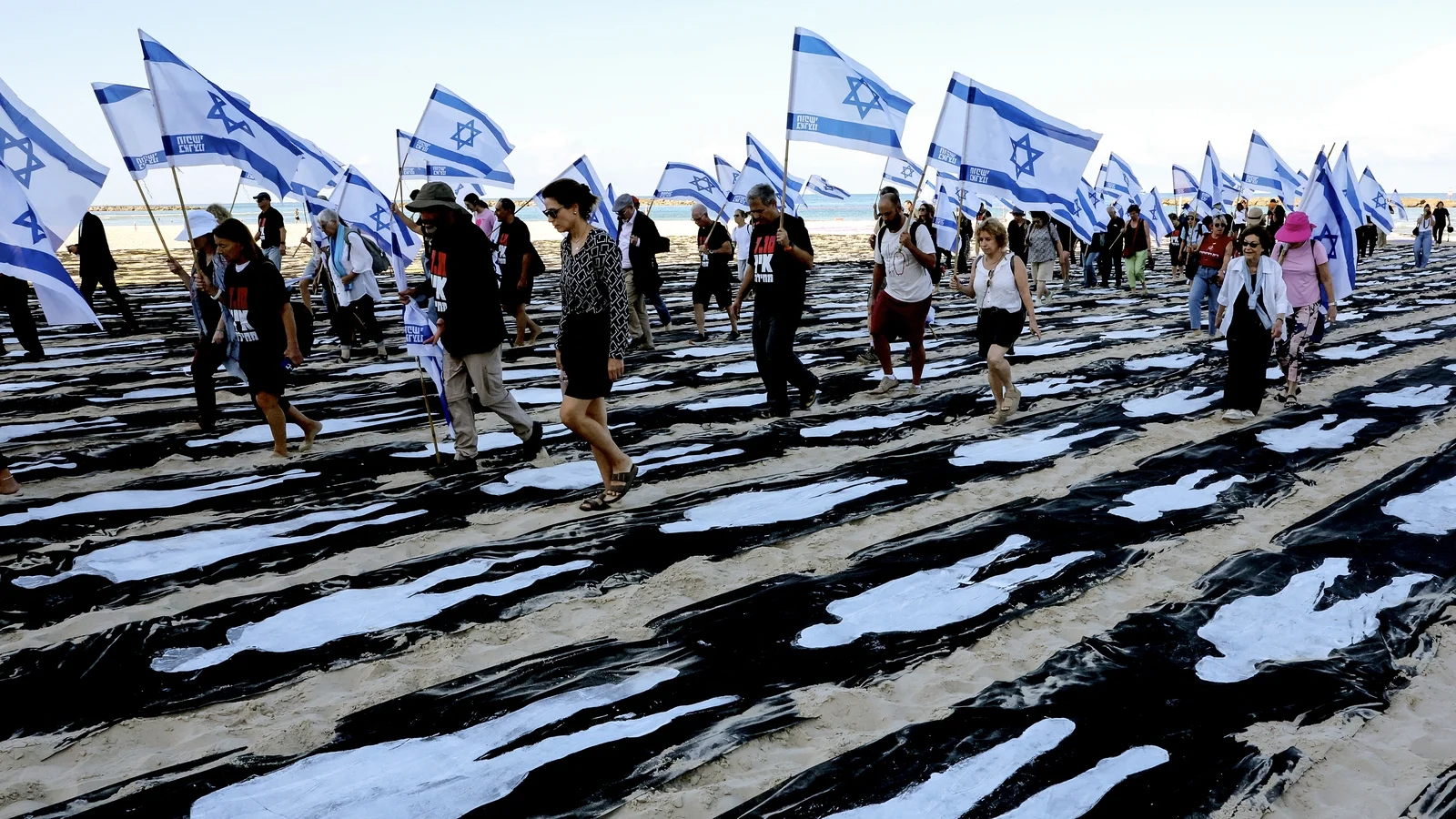
On 7 October 2023, Hamas and other militants attacked Israel. They killed about 1,200 people and took 251 hostages to Gaza. The attack was Israel’s deadliest day and the largest loss of Jewish life in a single day since the Holocaust, according to Ireland’s foreign minister. Its scale made remembrance a national event. Families gathered at the Nova festival site at 6.29am, the reported time the attack began there. Portraits and flowers marked the 348 people killed at the festival. Another memorial was planned at Hostage Square in Tel Aviv. The anniversary also matters because it connects personal grief with unresolved political questions. This is the first anniversary without Israeli hostages still in Gaza. Their remains or living captives were returned through exchanges, with the last remains recovered in January. The date also comes before Israel’s first election since the attack, making responsibility for the security failure and the war central political issues.
Based on reporting by RTE Ireland
What happened in the Hamas attack on Israel on 7 October 2023, and why is it being commemorated three years later?
On 7 October 2023, Hamas and other militants attacked Israel. They killed about 1,200 people and took 251 hostages to Gaza. The attack was Israel’s deadliest day and the largest loss of Jewish life in a single day since the Holocaust, according to Ireland’s foreign minister. Its scale made remembrance a national event.
Families gathered at the Nova festival site at 6.29am, the reported time the attack began there. Portraits and flowers marked the 348 people killed at the festival. Another memorial was planned at Hostage Square in Tel Aviv. The anniversary also matters because it connects personal grief with unresolved political questions.
This is the first anniversary without Israeli hostages still in Gaza. Their remains or living captives were returned through exchanges, with the last remains recovered in January. The date also comes before Israel’s first election since the attack, making responsibility for the security failure and the war central political issues.
What is a ceasefire, and why has the 2025 ceasefire not completely stopped violence in Gaza?
A ceasefire is an agreed pause in fighting between opposing sides. It is meant to reduce deaths, enable aid, support negotiations, and create space for a lasting political settlement. A ceasefire can be temporary or conditional. It does not necessarily end the war or remove the causes of conflict.
The 10 October 2025 US-brokered agreement halted major fighting, but the article says it failed to stop Israeli attacks in Gaza. More than 1,400 Palestinians have reportedly been killed since it began. Israeli forces also control about two-thirds of Gaza, while Hamas controls the remaining area. These conditions make the pause fragile.
The central dispute is disarmament and troop withdrawal. Israel says it will not withdraw until Hamas fully disarms. Hamas says it accepts a phased process but will not disarm while Israeli attacks continue. Until those conditions change, the ceasefire remains incomplete and violence can resume or continue.
How many people were killed, taken hostage, or displaced in the attack and the war that followed?
The article describes a conflict with enormous human losses on both sides. Hamas and other militants killed about 1,200 people in Israel on 7 October 2023. They also took 251 hostages to Gaza. The attack included 348 deaths at the Nova music festival. Israel’s following bombardment and ground operations killed more than 74,000 people in Gaza, according to Hamas-run health authorities.
The article does not provide a precise number for people displaced. It says Gaza’s population is about two million and that most people live in makeshift tents and bombed-out buildings. That description shows the scale of housing loss and forced movement. Gaza health figures also do not distinguish civilians from combatants.
Since the October 2025 ceasefire, Gaza health authorities report more than 1,400 additional Palestinian deaths. Five Israeli soldiers have reportedly been killed during the same period. These figures show that the ceasefire has not ended the conflict’s human cost.
How did the attack lead to Israel’s military campaign in Gaza and the continuing humanitarian crisis there?
The attack triggered Israel’s military campaign because Israel sought to defeat Hamas, recover hostages, and prevent another assault. The response combined bombardment and ground operations across Gaza. It transformed the conflict from a sudden attack into a prolonged war with consequences far beyond the original battlefield.
The campaign caused widespread destruction. The article says much of Gaza was destroyed and that Israel now controls about two-thirds of the territory. More than 74,000 people have been killed, according to Hamas-run health authorities. Their figures do not separate civilians from combatants. Hospitals and emergency services have also remained under severe pressure.
The humanitarian crisis continues despite the 2025 ceasefire. Gaza’s two million people mostly live in makeshift tents or bombed-out buildings. Israeli strikes have continued, including attacks that killed civilians and a civil-defence volunteer. Reconstruction plans have stalled, while Israel and Hamas remain divided over disarmament and troop withdrawals.
What are Hamas, the Israeli government, and the Israeli military, and what roles do they play in the conflict?
Hamas is a Palestinian Islamist political and armed organisation that controls the remaining third of Gaza, according to the article. It led the 7 October attack with other militants, killing people and taking hostages. Hamas also controls Gaza’s governing institutions and health authorities, although the article identifies those authorities as Hamas-run.
Israel’s government, led by Prime Minister Benjamin Netanyahu, makes national decisions about the war, negotiations, security, and Gaza policy. It has rejected blame for the security breach and resisted calls for an independent investigation. Israel’s military carries out bombardments, ground operations, and troop deployments. It says it will not withdraw until Hamas disarms.
These roles overlap but are not identical. Political leaders set objectives and negotiate; soldiers execute military orders; Hamas combines armed activity with territorial control. Hamas says it will accept phased disarmament only while Israeli attacks stop. That clash has blocked a final ceasefire and prolonged Gaza’s humanitarian crisis.
Why have hostage and prisoner exchanges helped produce pauses in fighting, but not a lasting peace?
Hostage and prisoner exchanges can produce limited pauses because each side receives something it values. Families may see captives return, while governments or armed groups can secure prisoners’ release and temporary relief from combat. Such deals also create channels for negotiation, even when trust is extremely low.
The article says all living and dead Israeli hostages were exchanged with Hamas for Palestinians held in Israeli jails. The last Israeli hostage’s remains were recovered in January. These swaps helped produce truces, but they did not settle control of Gaza, security, or the future of armed groups. They solved immediate humanitarian demands, not the political conflict.
The 2025 ceasefire therefore stopped major fighting without creating lasting peace. Israel demands Hamas fully disarm before its forces withdraw. Hamas says it has accepted a phased process but will not disarm while Israeli attacks continue. That basic sequencing dispute keeps negotiations deadlocked and violence ongoing.
How does Israel’s parliamentary election system make coalition governments important when no party wins enough seats to govern alone?
Israel’s parliamentary system uses proportional representation: parties receive seats broadly according to their share of the national vote, provided they pass the electoral threshold. This usually creates a fragmented parliament. Unlike a presidential system, the prime minister must command parliamentary support to form and maintain a government.
A party that finishes first may still lack a majority. It must negotiate with smaller parties over policies, ministerial posts, budgets, and shared priorities. Those agreements form a coalition. If partners withdraw their support, the government can lose its majority, face a confidence crisis, or require a new election. Coalition bargaining therefore strongly shapes Israeli politics.
The article says election polls show neither Benjamin Netanyahu nor his main competitors could win enough seats to form a coalition if voting occurred today. The 7 October attack is central to many voters’ choices, with 68% of Jewish Israelis saying it strongly influences their vote. The election could therefore change policy only through coalition-building.
Key Facts:
📌 - Hamas and other militants killed about 1,200 people on 7 October 2023.
📌 - The attackers took 251 hostages to Gaza.
📌 - Three years later, Israelis commemorate victims and debate political responsibility.
📌 - A ceasefire pauses fighting but does not automatically create permanent peace.
📌 - The 2025 deal stopped major combat, not all Israeli attacks.
📌 - Israel demands Hamas disarm before full troop withdrawal.
📌 - About 1,200 people were killed in the 7 October attack.