News · Social Issues
US death row inmate survives execution attempt, regains consciousness
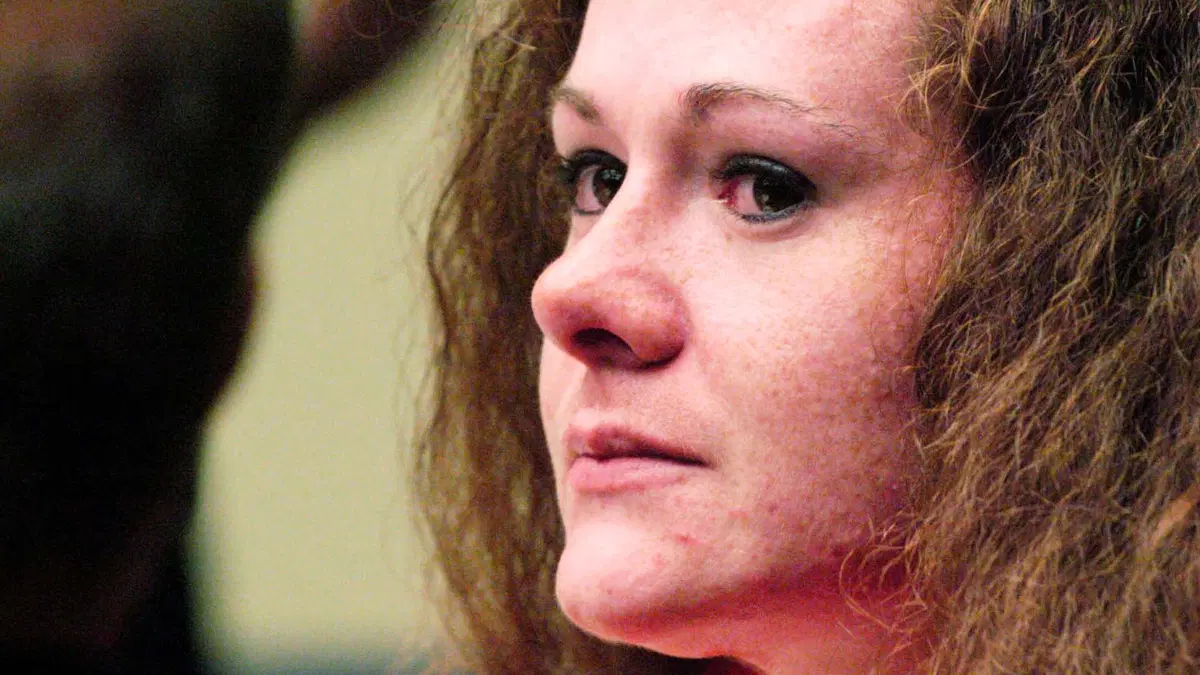
Christa Pike survived Tennessee’s attempt to execute her, despite receiving two supposedly lethal doses of pentobarbital. The event matters because executions are designed to cause death, yet Pike became the first inmate identified as surviving after receiving lethal execution drugs. Her case has renewed questions about whether execution procedures are reliable and transparent. During the execution, Pike’s arms reportedly turned purple, and she described a burning sensation. Medical expert Joel Zivot said those signs could mean the intravenous lines failed, allowing some drug to enter surrounding tissue instead of her bloodstream. He also raised the possibility that the pentobarbital had degraded. Pike was taken to a hospital in critical condition. She had been unconscious and using a ventilator, but her lawyers later said she was conscious and speaking. Her prognosis remains unclear. They are seeking a sentence change to life in prison and evidence preservation for a court hearing.
Based on reporting by Vanguard Nigeria
What happened to Christa Pike during and after Tennessee's attempt to execute her?
Christa Pike survived Tennessee’s attempt to execute her, despite receiving two supposedly lethal doses of pentobarbital. The event matters because executions are designed to cause death, yet Pike became the first inmate identified as surviving after receiving lethal execution drugs. Her case has renewed questions about whether execution procedures are reliable and transparent.
During the execution, Pike’s arms reportedly turned purple, and she described a burning sensation. Medical expert Joel Zivot said those signs could mean the intravenous lines failed, allowing some drug to enter surrounding tissue instead of her bloodstream. He also raised the possibility that the pentobarbital had degraded.
Pike was taken to a hospital in critical condition. She had been unconscious and using a ventilator, but her lawyers later said she was conscious and speaking. Her prognosis remains unclear. They are seeking a sentence change to life in prison and evidence preservation for a court hearing.
What is lethal injection, and what role does pentobarbital play in it?
Lethal injection is a method of carrying out a death sentence by delivering execution drugs into a person’s bloodstream, usually through an intravenous line. It matters because the process depends on accurate drug preparation, reliable equipment, and successful delivery. A failure at any stage can produce serious harm without causing death.
Pentobarbital is a powerful sedative. The article says it suppresses respiration, meaning it can stop or severely weaken breathing when given in a lethal amount. Tennessee used two supposedly lethal doses during Pike’s execution. Her lawyers said she experienced burning and purple arms, suggesting that some drug may have entered tissue rather than her bloodstream.
Pike survived and required hospital care, showing that lethal injection is not automatically successful. The article does not describe every drug protocol used nationwide. It does show why officials must examine drug quality, intravenous access, preparation, and monitoring after a failed execution.
What possible technical problems could have prevented the execution drugs from working as intended?
The article identifies two possible technical problems. First, Pike’s small veins may have made it difficult to place a working intravenous line. If the line was misplaced or failed, the drug could enter surrounding tissue instead of reaching her bloodstream. That would reduce or delay its intended effect.
Pike’s arms reportedly turned purple, and she described a burning sensation during the execution. Medical expert Joel Zivot said these signs were consistent with pentobarbital leaking into tissue. He also suggested that the drug itself might have degraded. Tennessee authorities had not released information about where the drug came from or how it was prepared.
These explanations remained possibilities, not confirmed findings, when the article was published. Tennessee Governor Bill Lee suspended executions while an independent investigation proceeded. Pike’s lawyers sought an order preserving physical, written, and electronic evidence, which could help determine whether equipment, technique, or drug quality caused the failure.
What immediate consequences did Pike's failed execution have for Tennessee's prison system and other scheduled executions?
Pike’s failed execution immediately triggered changes in Tennessee’s prison system. Governor Bill Lee suspended executions while an independent investigation examined what went wrong. Tennessee’s prison chief also announced a resignation. These steps matter because they signal that the state treated the incident as a serious failure in execution management, not merely an unusual medical event.
The case also affected legal challenges elsewhere. Jamaal Howard’s execution was scheduled in Texas, and his lawyers cited Pike’s failed execution while seeking to overturn his death sentence. Courts rejected those appeals. The article says Howard’s execution was still scheduled for Wednesday, showing that Tennessee’s failure did not automatically stop executions nationwide.
Pike’s lawyers sought a court order requiring Tennessee’s corrections department to preserve relevant physical, written, and electronic evidence. A hearing was scheduled for Wednesday. The investigation and evidence review could influence future procedures, but the article notes concerns that Tennessee previously failed to follow recommendations after an earlier review.
How common are executions and death sentences in the United States, and how many states have abolished or paused the death penalty?
Executions still occur in the United States, but they are not nationwide. The article reports 29 executions that year, excluding Pike’s failed attempt, and says all were carried out by lethal injection. This gives a snapshot of active capital punishment, while also showing that the practice is limited to some jurisdictions.
Death sentences are imposed through criminal cases involving eligible capital crimes, but the article does not provide a national count of current death sentences or death-row prisoners. It does describe Pike’s sentence and Howard’s pending execution. Those examples show that a death sentence can remain under appeals and legal challenges for years.
The article says 23 of the 50 states had abolished the death penalty. Three others—California, Oregon, and Pennsylvania—had moratoriums. Thus, 26 states had either ended executions or paused them, while the remaining states retained capital punishment without a moratorium identified here. Practices can still change through governors, courts, or legislation.
What roles do prison officials, governors, courts, lawyers, and independent investigators play in a death-penalty case?
A death-penalty case involves several institutions with different responsibilities. Prison officials arrange the execution, handle drugs and equipment, and provide medical care. Governors may approve, delay, suspend, or commute a sentence, depending on state law. Courts review legal appeals and decide whether an execution may proceed.
Pike’s case illustrates these roles. Tennessee’s corrections department was responsible for the execution and for preserving related evidence. Governor Bill Lee suspended executions and was asked to commute Pike’s sentence to life in prison. Pike’s lawyers challenged the process and sought a court order. Courts also considered Jamaal Howard’s appeal after his lawyers cited Pike’s failed execution.
Independent investigators examine whether officials followed rules and whether technical or administrative errors occurred. Tennessee launched a third-party investigation, but an advocacy leader warned that the state had previously failed to follow recommendations. The article therefore shows oversight as an ongoing process, not a guarantee that every problem will be prevented.
What is capital punishment, and how does it differ legally and practically from a sentence of life in prison?
Capital punishment is the government’s use of execution as the penalty for certain serious crimes. It matters because the punishment is irreversible: once carried out, it cannot be corrected if a conviction or sentence proves wrong. In the article, Pike received a death sentence for killing Colleen Slemmer when Pike was 18.
A life sentence generally keeps a person imprisoned instead of executing them. Depending on the jurisdiction, “life” may allow parole or may mean life without parole. Pike’s lawyers asked Tennessee’s governor to commute her death sentence to life in prison. That change would replace the planned execution with continued confinement, rather than ending her life through lethal injection.
The practical difference is clear in Pike’s case. Capital punishment required a scheduled execution and drug administration. Life imprisonment would require continued custody and prison care. The article does not detail Tennessee’s parole rules, so the exact conditions of a life sentence are not specified. Legal appeals can affect either sentence.
Key Facts:
📌 Pike survived two supposedly lethal pentobarbital doses.
📌 She later became conscious and began speaking.
📌 Her lawyers expect a long recovery.
📌 Lethal injection delivers execution drugs through an intravenous line.
📌 Pentobarbital is a sedative that suppresses respiration.
📌 Pike’s case exposed possible failures in drug delivery.
📌 Pike’s small veins may have complicated intravenous access.