News · Economy & Business
Colombia’s top corporate lobbyist resigns over reported tensions with president
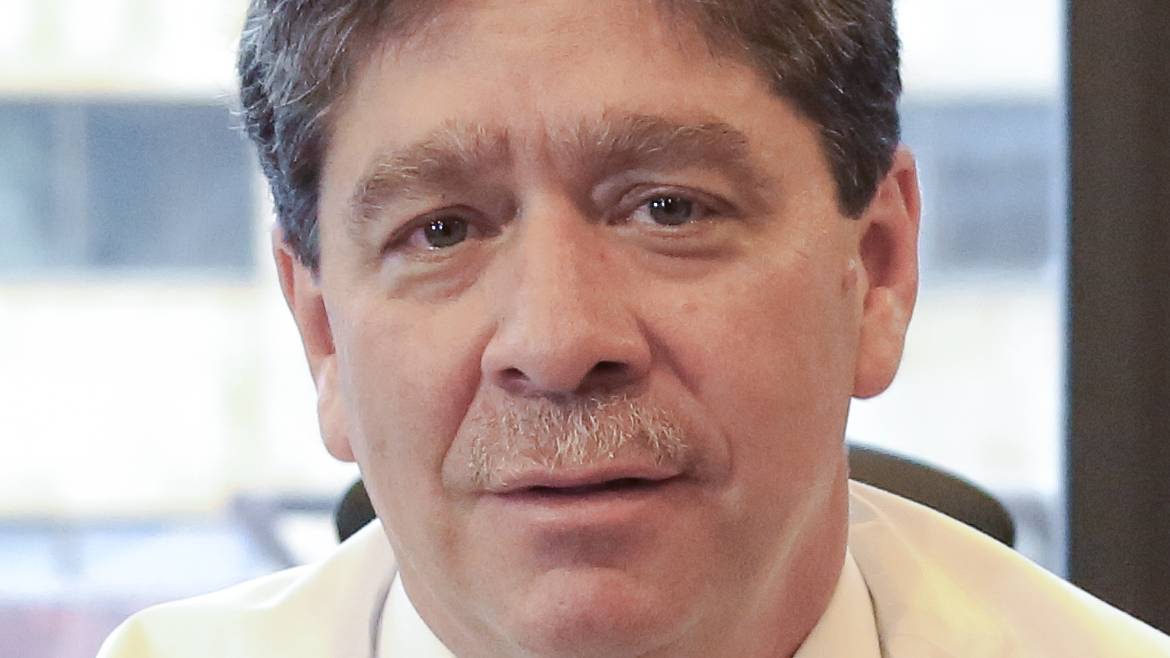
Bruce Mac Master was the director, or chief, of the ANDI, one of Colombia’s most powerful business associations. He resigned because he said troubling circumstances and multiple pressures were affecting the association’s freedom and autonomy. His departure matters because the leader of a major private-sector organization was unable to resolve a serious institutional conflict. Mac Master said he, the Executive Committee, and the General Board tried to find a solution through official channels. Those efforts failed. The article links the resignation to reports that President Abelardo de la Espriella instructed his cabinet to boycott Mac Master. It also cites disputes involving the president’s law firm and donations after an August 10 earthquake. Mac Master hoped leaving would restore cooperation between the government and business community. His resignation therefore represents both a leadership change and a warning about strained dialogue. The ANDI must now choose new leadership while protecting its members, staff, and independent role.
Based on reporting by Colombia Reports
Who is Bruce Mac Master, and what position did he resign from?
Bruce Mac Master was the director, or chief, of the ANDI, one of Colombia’s most powerful business associations. He resigned because he said troubling circumstances and multiple pressures were affecting the association’s freedom and autonomy. His departure matters because the leader of a major private-sector organization was unable to resolve a serious institutional conflict.
Mac Master said he, the Executive Committee, and the General Board tried to find a solution through official channels. Those efforts failed. The article links the resignation to reports that President Abelardo de la Espriella instructed his cabinet to boycott Mac Master. It also cites disputes involving the president’s law firm and donations after an August 10 earthquake.
Mac Master hoped leaving would restore cooperation between the government and business community. His resignation therefore represents both a leadership change and a warning about strained dialogue. The ANDI must now choose new leadership while protecting its members, staff, and independent role.
What is the ANDI, and what does a national association of entrepreneurs do?
ANDI stands for the National Association of Entrepreneurs of Colombia. It is a business association that represents companies across the private sector. Such an organization gives businesses a collective voice rather than forcing every company to negotiate with government alone. That role matters when economic decisions affect many industries at once.
In practice, a national entrepreneurs’ association can gather members’ concerns, present policy proposals, and communicate with officials. It can also coordinate positions among different industries and encourage cooperation during national challenges. The article says the ANDI has about 1,600 members and includes various divisions, showing that it operates through a broad institutional structure.
The article presents the ANDI as an independent intermediary. Mac Master said it should contribute while preserving dialogue, respect, and autonomy. If those conditions weaken, the association may struggle to represent members effectively. Its value depends on both member participation and its ability to communicate freely with government.
How large and influential is the ANDI, given that it represents about 1,600 members?
About 1,600 members gives the ANDI substantial reach across Colombia’s business community. The number alone does not measure revenue, employment, or political power, but it shows that the association can collect views from many companies and industries. That scale makes its leadership and independence important to national economic debate.
Its influence works through collective representation. Instead of 1,600 firms approaching officials separately, the ANDI can identify shared concerns and present them through its General Board, Executive Committee, members, and divisions. The article describes the organization as one of Colombia’s most powerful business associations. Mac Master had represented its members since 2013, giving him a long-standing public role.
The current reality is more complicated than membership size suggests. A large association still needs open access to government and internal freedom to act. The reported tensions show that institutional influence can be weakened when officials pressure or boycott its leadership. The next leader will need to preserve member confidence while rebuilding public dialogue.
What tensions between the ANDI and President De la Espriella’s government reportedly led to the resignation?
The resignation followed reports of a deepening rift between the ANDI and President Abelardo de la Espriella’s government. Mac Master did not publicly detail every pressure in his letter. He said only that unexpected circumstances and multiple pressures had made the association’s work unusually difficult and threatened its autonomy.
La Silla Vacia reportedly said the president instructed his cabinet to boycott the ANDI chief. It linked the conflict to two disputes. De la Espriella’s law firm had not been allowed to join the ANDI. Also, the association’s donations after the August 10 earthquake bypassed the First Lady’s newly founded and controversial foundation. The article presents these as reported explanations, not proven findings.
Mac Master said the board and executive committee tried to resolve the situation through institutional channels. Those efforts failed. He hoped his resignation would reopen cooperation between government and business. The immediate challenge is restoring communication without sacrificing the association’s independence or its members’ interests.
What can happen to business-government cooperation when a major business association feels pressured and unable to act autonomously?
A business association works best when it can speak for members without fear of retaliation. If it feels pressured or unable to act autonomously, companies may receive weaker representation and officials may hear fewer independent views. That can make economic policymaking less informed and increase mistrust between government and business.
The article gives a concrete example. Mac Master said multiple pressures affected the ANDI’s ability to act freely. The board and executive committee tried to use institutional channels, but those efforts failed. Reports also suggested that the president’s cabinet was told to boycott the ANDI chief. In that situation, the normal mechanism of dialogue—an association presenting members’ concerns to government—becomes harder to use.
The likely consequence is damaged cooperation, not necessarily an immediate economic collapse. Mac Master hoped his resignation would restore collaboration. The ANDI now faces the task of rebuilding access and confidence while protecting its independence. Government officials and business leaders may need clearer, more respectful channels for future disputes.
Besides a business association, what other channels can companies use to communicate their interests to a government?
A business association is only one route for companies to communicate with government. Firms can contact ministries directly, answer public consultations, provide technical evidence, or meet legislators and regulators. These channels matter because they offer alternatives when an association cannot speak freely or when an issue affects only a narrow sector.
For example, a company might submit a written response to a proposed regulation and explain its likely costs, safety effects, or implementation problems. It could also join a chamber of commerce, industry council, professional group, or temporary coalition. These mechanisms allow businesses to share evidence, organize around a specific issue, and seek an official response without relying on one intermediary.
These alternatives do not fully replace an independent national association. Individual firms may have fewer resources, less credibility, or less bargaining power than a large group. The article’s conflict shows why multiple communication channels are useful. They can preserve dialogue, but companies should use them transparently and respect democratic rules.
Why are independent intermediary institutions—such as business associations, unions, and professional groups—important in a democratic economy?
Independent intermediary institutions give people and organizations a collective voice between government and the wider public. Business associations represent firms, unions represent workers, and professional groups represent specialized communities. Their independence matters because democracy works better when policy is shaped by organized, competing viewpoints rather than by government alone.
These groups provide a practical mechanism for participation. They gather members’ experiences, develop shared positions, explain technical issues, and present proposals to officials. They can also challenge decisions, negotiate solutions, and hold institutions accountable. The ANDI’s board, executive committee, members, and divisions illustrate how an organization can turn many individual concerns into structured dialogue.
The article shows what is at stake when autonomy is threatened. Mac Master said pressures affected the ANDI’s ability to act freely, and he resigned after efforts to resolve the situation failed. Strong intermediary institutions do not guarantee agreement. They do make disagreement more orderly, informed, and inclusive. Protecting their independence supports trust and better economic decisions.
Key Facts:
📌 Bruce Mac Master led the ANDI from 2013 until his resignation.
📌 He said pressures threatened the association’s ability to act autonomously.
📌 He hoped resignation would restore government-business cooperation.
📌 ANDI means National Association of Entrepreneurs of Colombia.
📌 It represents about 1,600 business members.
📌 It connects private companies with government and other institutions.
📌 The ANDI represents approximately 1,600 members.