News · Politics & Governance
Trump promises payments to voters ahead of midterms dominated by the cost of living
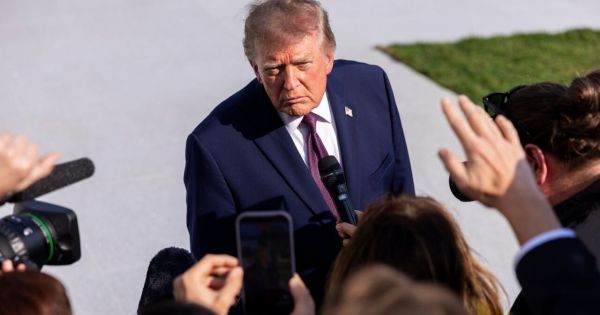
Trump has announced several direct payments as living costs become a major election issue. The plans target specific groups, while his biggest promise would reach every adult if Republicans retain control of Congress. More than 20 million retirees are meant to receive nearly US$100 to help with Medicare Part B premiums. About one million people insured through Obamacare were also promised US$500. The proposed US$5,000 payment is broader, but it is not approved. That distinction matters. The retiree and Obamacare payments were announced by the administration, while the US$5,000 plan needs congressional approval. Republicans currently hold narrow majorities, but forecasting models give Democrats strong chances of winning one or both chambers. Election results could therefore determine whether the largest payment moves beyond a campaign promise.
Based on reporting by MercoPress South America
What payments has Trump announced or promised, and which groups of people would receive them?
Trump has announced several direct payments as living costs become a major election issue. The plans target specific groups, while his biggest promise would reach every adult if Republicans retain control of Congress.
More than 20 million retirees are meant to receive nearly US$100 to help with Medicare Part B premiums. About one million people insured through Obamacare were also promised US$500. The proposed US$5,000 payment is broader, but it is not approved.
That distinction matters. The retiree and Obamacare payments were announced by the administration, while the US$5,000 plan needs congressional approval. Republicans currently hold narrow majorities, but forecasting models give Democrats strong chances of winning one or both chambers. Election results could therefore determine whether the largest payment moves beyond a campaign promise.
What is Medicare Part B, and what costs does its premium cover?
Medicare Part B is a part of the public Medicare program for people aged 65 and older. It helps pay for medically necessary outpatient care rather than serving as a general cash benefit. Enrollees usually pay a recurring premium for this coverage.
Part B generally covers doctor and specialist visits, outpatient treatment, preventive services, medical supplies, and some ambulance services. It does not cover every health expense, and people can still face deductibles, coinsurance, or charges for services outside the benefit. The article focuses on the premium, not those additional costs.
That premium matters because it reduces retirees’ available income. Trump’s proposed payment was described as help with the Medicare Part B premium. However, KFF reported that many people in private Medicare plans would not receive it, showing that the program’s structure affects who benefits.
How many people would receive the Medicare payment, how much would it be, and how does it compare with next year's premium increase?
The announced Medicare payment would go to more than 20 million retirees. Each person would receive a cheque of around US$90, according to the article. Its stated purpose is to help with the cost of Medicare Part B, the public insurance program for people over 65.
The comparison with premiums is revealing. KFF says the standard annual premium is US$2,435 and will increase by US$79 next year. A US$90 payment is therefore only about US$11 more than that increase. It could offset much of the added cost, but not the wider expenses retirees face.
The payment also has an important limit. KFF says it would not reach the 35 million beneficiaries enrolled in private plans. For eligible recipients, the cheque may provide brief relief. For excluded beneficiaries, the premium increase remains an added burden.
Why would the proposed US$5,000 payment require approval from Congress before it could be sent?
The proposed US$5,000 payment would use federal funds, so it needs legal authorization before the government can send it. A president can propose a spending plan and campaign around it, but cannot ordinarily create a nationwide payment program without Congress providing authority and funding.
Congress would need to pass legislation describing who qualifies, how much each person receives, and where the money comes from. The president would then need to sign the measure, unless Congress overrides a veto. This process is why the article calls the proposal unapproved rather than an available benefit.
The political timing is central. Trump made the promise before the November 3 midterm elections and linked it to Republicans keeping control of Congress. Republicans hold narrow majorities now, but forecasts favor Democrats in both chambers. A change in control could make the proposal harder to pass.
What happens to household budgets when health-insurance premiums and energy prices rise?
When health-insurance premiums and energy prices rise, households must spend more just to maintain basic coverage and daily life. That reduces the money available for groceries, rent, transport, savings, and debt payments. Families may also delay care or cut other essentials.
The article gives two clear examples. Obamacare premiums rose after a pandemic-era tax credit expired. The war with Iran pushed up energy costs. A household facing both changes loses purchasing power even if its paycheque stays the same. A one-time payment can soften the shock, but it does not permanently lower monthly bills.
This pressure helps explain the political backlash. Almost three in four Americans in the AP-NORC poll called the economy poor, and 69% disapproved of Trump’s economic handling. Payments may offer immediate relief, but voters may judge the administration by whether regular costs become manageable.
What are US midterm elections, and how can controlling Congress affect a president's ability to pass spending measures?
US midterm elections are elections held halfway through a president’s four-year term. Voters choose all members of the House and about one-third of the Senate. These contests can change which party controls Congress, even though the president is not being elected.
Congress writes laws and controls federal spending. A president who wants to create a new payment program generally needs Congress to approve the eligibility rules and funding. If the president’s party controls both chambers, passing that proposal may be easier. Opposition control can block it, rewrite it, or demand compromises.
The article says Republicans hold narrow majorities in both chambers. Forecasting models give Democrats a 56% to 73% chance of taking the Senate and a 76% to 99% chance of winning the House. Those outcomes would directly affect the prospects for Trump’s proposed US$5,000 payment.
What does “cost of living” mean, and how do inflation, prices, wages, and government benefits determine whether people feel financially better or worse off?
Cost of living describes the prices households face for essentials and ordinary needs, including housing, food, energy, transport, and healthcare. It is not just inflation in the abstract. It is the practical question of how far a household’s income can stretch.
Inflation measures how quickly prices rise. If prices increase faster than wages, real purchasing power falls. Government benefits or tax credits can partly replace that lost buying power. For example, a payment may help retirees with a premium, while the expiration of a health-insurance credit can increase families’ bills. The result depends on each household’s costs and income.
The article shows why this matters politically. Obamacare premiums rose, energy costs increased, and nearly three in four surveyed Americans called the economy poor. Even when officials announce payments, people may still feel worse off if recurring prices rise faster than wages and benefits.
Key Facts:
📌 More than 20 million retirees were promised nearly US$100.
📌 About one million Obamacare enrollees were promised US$500.
📌 Trump proposed US$5,000 for every adult, subject to Congress.
📌 Medicare Part B serves people over 65 through public health insurance.
📌 Part B generally helps cover outpatient medical services.
📌 Premium payments help fund Part B coverage.
📌 More than 20 million retirees would receive around US$90.