News · Politics & Governance
From filmmaking to politics: Min Bahadur Bham on why stories need policy
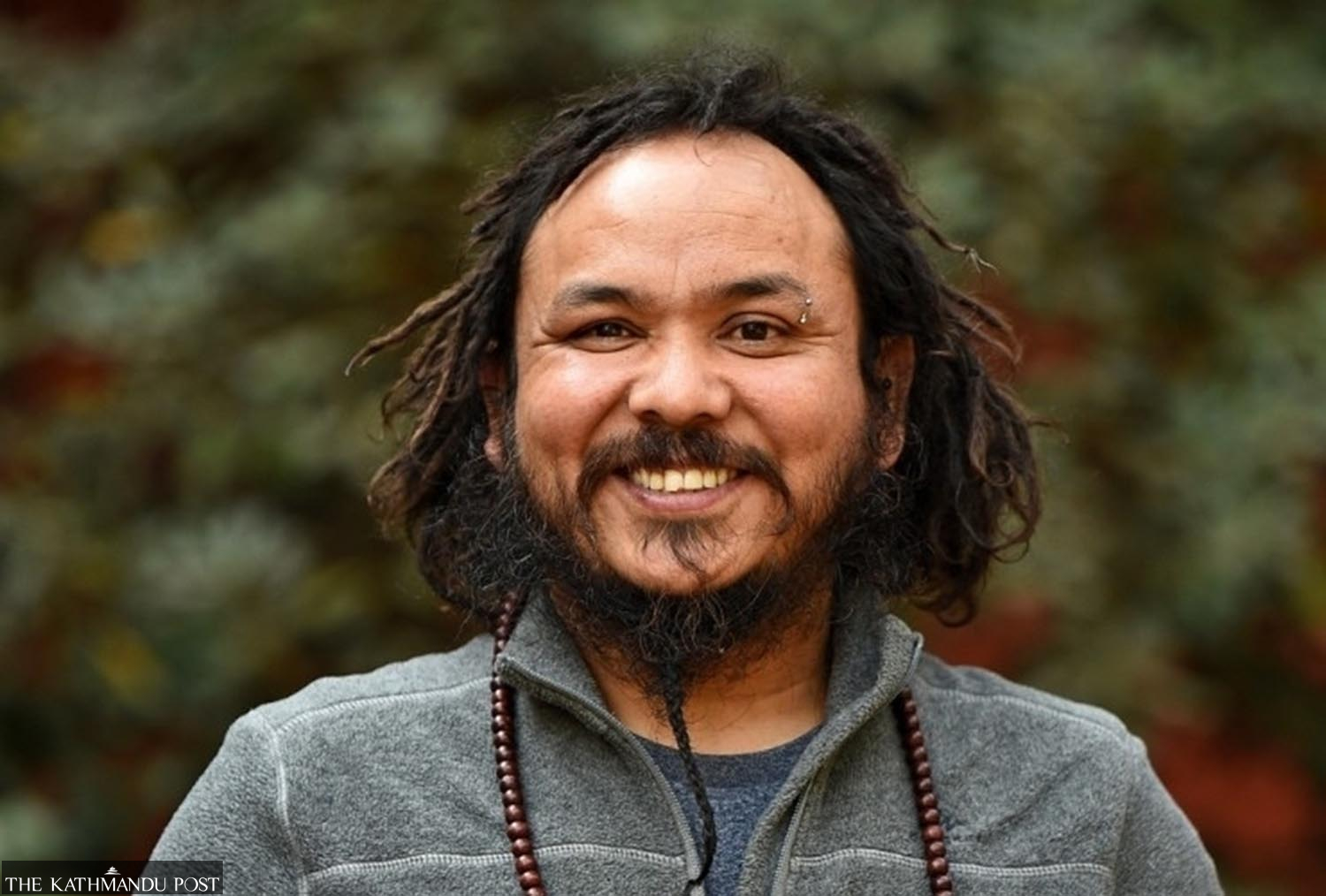
Min Bahadur Bham has decided to move from filmmaking into frontline politics. He is contesting the Nepali Congress’s 15th general convention for joint general secretary. His decision comes from a practical frustration: films can expose problems, but lasting solutions often require policy, budgets and government action. Bham has made films about marginalised communities, especially in Karnali. He also helped draft parts of the Nepali Congress manifesto concerning Karnali, literature, cinema and music. He saw that many manifesto proposals were not seriously discussed after governments took office. That experience convinced him that direct political engagement was necessary. Bham says he can connect the communities he represents with the party’s central leadership. He plans to use his knowledge of Karnali, cinema and social issues to influence agendas and implementation. He also intends to continue making films, so politics will add another route for his stories rather than replace filmmaking.
Based on reporting by Kathmandu Post Nepal
What has Min Bahadur Bham decided to do, and which position is he contesting?
Min Bahadur Bham has decided to move from filmmaking into frontline politics. He is contesting the Nepali Congress’s 15th general convention for joint general secretary. His decision comes from a practical frustration: films can expose problems, but lasting solutions often require policy, budgets and government action.
Bham has made films about marginalised communities, especially in Karnali. He also helped draft parts of the Nepali Congress manifesto concerning Karnali, literature, cinema and music. He saw that many manifesto proposals were not seriously discussed after governments took office. That experience convinced him that direct political engagement was necessary.
Bham says he can connect the communities he represents with the party’s central leadership. He plans to use his knowledge of Karnali, cinema and social issues to influence agendas and implementation. He also intends to continue making films, so politics will add another route for his stories rather than replace filmmaking.
What are the Nepali Congress and the joint general secretary position within the party?
The Nepali Congress is a major political party in Nepal. It develops political positions, selects leaders and candidates, contests elections, and can help form governments. Its 15th general convention is the party meeting where members choose leadership and debate its direction.
A joint general secretary is a senior office within the party’s central leadership. In general, such an officer helps coordinate party work, communicate decisions and support organisational strategy. The article does not list the post’s formal duties. Bham presents it as a position from which he could bring marginalised communities’ concerns into central decision-making.
The role matters because party leadership influences what becomes an election promise or policy priority. Bham says he wants to help set agendas and ensure they are implemented. His candidacy also reflects the convention’s broader goal of bringing younger people and professionals into leadership.
Why does Bham believe his background in Karnali and filmmaking gives him a distinct political role?
Bham believes his background gives him a grounded political role. He comes from a disadvantaged part of Karnali, a historically marginalised region. His films have focused on the area’s language, culture, characters, landscape and stories. This matters because representation is stronger when leaders understand a community through lived experience and sustained work.
Filmmaking required Bham to study and engage closely with the place he represents. He also worked on the Nepali Congress manifesto, including sections on Karnali and creative fields. These experiences give him both local knowledge and familiarity with how a national party develops its formal agenda.
Bham says he could act as a bridge between Karnali’s communities and the party’s central committee. If elected, he hopes to bring their voices into leadership, combine professional expertise with political experience, and help turn priorities into implemented policies. His role would connect cultural representation with institutional action.
How many levels of government does Nepal have, and why must an issue raised in a film reach local, provincial or federal government to become policy?
Nepal has three levels of government: local, provincial and federal. Each level has different responsibilities and resources. Local governments handle community-level services, provinces coordinate regional matters, and the federal government sets national frameworks and policies. Together, they are the main routes from public concern to official action.
A film can make a neglected issue visible, build public understanding and influence debate. But visibility alone does not create a law, budget or programme. Officials and political parties must recognise the issue, include it in plans, allocate money, assign responsibilities and carry out the response. That is the mechanism Bham says his filmmaking experience revealed.
He noticed that issues raised through his films did not automatically enter political agendas. He also saw manifesto proposals ignored after governments at all three levels came into office. His move into politics reflects a desire to connect storytelling with decisions that can produce practical change.
What could change as a result of Bham bringing the concerns of marginalised communities into the Nepali Congress leadership?
Bringing marginalised communities into leadership could change whose experiences shape political priorities. Bham argues that communities such as those in Karnali need more than cultural representation. Their concerns must reach the people who write party agendas, make promises and influence government decisions.
Bham’s proposed mechanism is representation from inside the party. He would use his knowledge of Karnali and his filmmaking experience to communicate local voices to the central committee. He also wants to contribute to both setting the agenda and seeing it implemented. His earlier manifesto work showed him that written commitments can be ignored without political follow-through.
The immediate result would not automatically be new policy. It could, however, make the party’s debates more inclusive and improve attention to neglected regions, cultures and professions. If those priorities survive internal debate and enter government plans, they could influence laws, budgets and programmes at local, provincial or federal levels.
Why might changing a party's leadership and membership achieve more than simply amending its written statutes?
Amending statutes changes a party’s formal rules, but it may not change its habits or priorities. A party becomes more publicly relevant when the people inside it reflect society and bring new ways of working. That is why leadership and membership can matter more than a written declaration of reform.
Bham points to the Nepali Congress’s ward-level conventions as an example. He says they brought greater inclusion and participation from people with different professions, backgrounds and political styles. A central committee containing young people from varied regions, languages, cultures, ethnic communities and professions could widen the issues discussed and the voices heard.
The current reform effort therefore depends on who wins positions, not only on statute language. New people may help the party understand society more closely and communicate with the public. They must still turn inclusion into decisions and implementation. Otherwise, personnel changes could remain symbolic rather than produce a genuinely new Congress.
How do political parties and governments turn stories about society—such as those told in films—into laws, budgets and public programmes?
Stories reveal how policies affect real people. To turn them into public action, political parties must identify the problem, debate its importance and include a proposed response in their platforms. Elected representatives and governments then translate that promise into laws, budgets, regulations or public programmes.
The mechanism has several steps. A community’s concern enters political debate through films, testimony or organising. Party leaders develop a commitment. Legislatures approve laws or funds, and government offices assign staff and deliver services. Monitoring and public pressure are needed to check whether the promise becomes reality. Without implementation, a story remains awareness rather than policy.
Bham’s experience shows the gap clearly. He helped draft manifesto sections on Karnali and creative fields, but said many proposals were not seriously discussed once governments took office. His political entry seeks to close that gap by helping set priorities and push them through decision-making.
Key Facts:
📌 Bham is contesting the Nepali Congress joint general secretary position.
📌 He entered politics because films alone could not produce policy change.
📌 He plans to continue filmmaking while pursuing political leadership.
📌 The Nepali Congress is a major political party in Nepal.
📌 Joint general secretary is a senior central party leadership position.
📌 Bham links the office to agenda-setting and policy implementation.
📌 Bham comes from a disadvantaged part of Karnali province.