News · International Relations
ICC unseals warrants for senior Taliban officials accused of persecuting women in Afghanistan
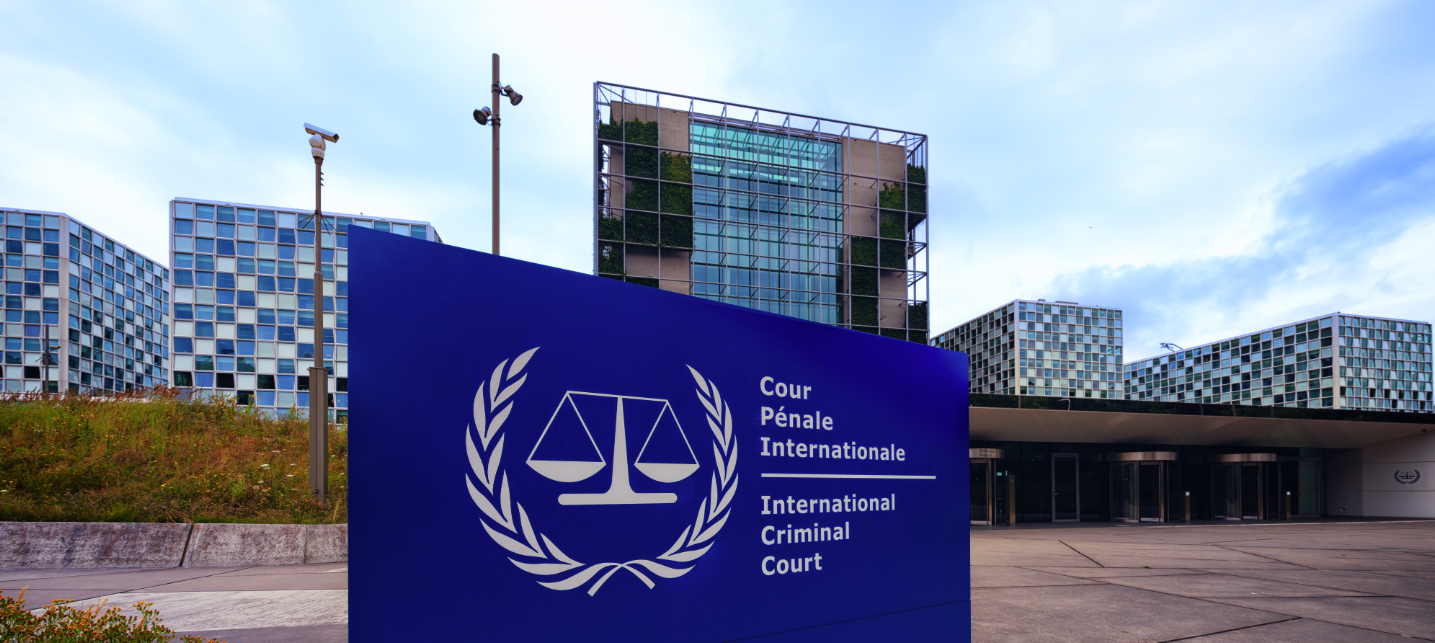
The International Criminal Court unsealed four arrest warrants against senior Taliban officials. Prosecutors accuse them of persecuting women and girls in Afghanistan. The alleged conduct is treated as a crime against humanity under Article 7(1)(h) of the Rome Statute. The warrants name Taliban Supreme Leader Haibatullah Akhundzada, Chief Justice Abdul Hakim Haqqani, Habibullah Agha, and Education Minister Neda Mohammad Nadim. The Court found reasonable grounds to believe they may be criminally responsible for ordering, inducing, or soliciting persecution. The warrants were issued between July and September 2025 and later made public. They focus on decrees and policies that severely restricted education, movement, privacy, family life, expression, thought, conscience, and religion. The allegations do not decide guilt. They begin a legal process that can lead to arrest, proceedings, and a fair trial if the accused are brought before the Court.
Based on reporting by Jurist Legal News
What did the ICC unseal, and which senior Taliban officials are named in the warrants?
The International Criminal Court unsealed four arrest warrants against senior Taliban officials. Prosecutors accuse them of persecuting women and girls in Afghanistan. The alleged conduct is treated as a crime against humanity under Article 7(1)(h) of the Rome Statute.
The warrants name Taliban Supreme Leader Haibatullah Akhundzada, Chief Justice Abdul Hakim Haqqani, Habibullah Agha, and Education Minister Neda Mohammad Nadim. The Court found reasonable grounds to believe they may be criminally responsible for ordering, inducing, or soliciting persecution.
The warrants were issued between July and September 2025 and later made public. They focus on decrees and policies that severely restricted education, movement, privacy, family life, expression, thought, conscience, and religion. The allegations do not decide guilt. They begin a legal process that can lead to arrest, proceedings, and a fair trial if the accused are brought before the Court.
What is the International Criminal Court, and what is an arrest warrant in international law?
The International Criminal Court is a permanent international court that investigates and prosecutes individuals accused of serious crimes, including crimes against humanity. It operates under the Rome Statute, the treaty identified in the article. Its purpose is to hold individuals—not entire populations—responsible when the Court has legal authority to act.
An arrest warrant is a formal judicial order seeking a person’s arrest and transfer to the Court. Here, judges found reasonable grounds to believe the four Taliban figures may bear responsibility for persecution. A warrant allows the legal process to move forward, but it is not a conviction.
The article does not detail enforcement procedures. Generally, the ICC has no independent police force and depends on states to make arrests and surrender suspects. After an arrest, judges protect victims and assess the accused’s rights. The prosecution must still prove guilt beyond the required legal standard at trial.
What does “persecution as a crime against humanity” mean under the Rome Statute?
Under Article 7(1)(h) of the Rome Statute, persecution is a crime against humanity when people are intentionally and severely deprived of fundamental rights because of their identity, including gender, in connection with other serious crimes or conduct within the Court’s jurisdiction. It concerns an organized or widespread attack on civilians, not merely an isolated unfair act.
The article says Taliban policies disproportionately targeted women and girls because of their gender. Decrees denied them education, privacy, family life, movement, expression, thought, conscience, and religion. The judges also said gender includes socially created roles, expectations, behaviors, and hierarchies linked to sex.
This matters because persecution can operate through institutions as well as physical attacks. The Court said systemic harm, including mandated discriminatory social norms, may qualify alongside direct violence. The allegations therefore concern a pattern of official restrictions, not just individual incidents of abuse.
How many Afghan women and girls have been denied secondary or higher education since 2021?
More than two million women and girls in Afghanistan have been denied secondary and higher education since 2021. This is the article’s central measure of the restrictions’ scale. It shows that the impact reaches an entire generation, rather than only a small number of students.
The education ban is part of a wider system described by the ICC. Taliban decrees and edicts also restricted women’s movement, privacy, family life, expression, thought, conscience, and religion. The Court said women and girls were disproportionately targeted because of their gender.
The consequences extend beyond classrooms. Denying education limits future work, independence, and participation in public life. The article also reports worsening poverty and declining respect for basic human rights. UN High Commissioner Volker Türk urged governments to prioritize the population’s safety and pressure the Taliban to meet Afghanistan’s international obligations.
What can happen to the accused officials after arrest warrants are issued, and does a warrant prove guilt?
After an ICC arrest warrant is issued, the accused may be arrested and transferred to the Court if a state cooperates or the person comes within its reach. The Court can then hold hearings, protect participants, and decide whether the case proceeds to trial. The article’s warrants target four senior Taliban figures.
The warrants are based on the judges’ finding of reasonable grounds to believe the officials may have ordered, induced, or solicited persecution. That finding is an early legal threshold. It permits the case to advance, but it does not establish that the accused committed the alleged crimes.
A trial would require prosecutors to present evidence and prove criminal responsibility under the Rome Statute. The accused must receive a fair trial, while victims’ safety, dignity, and well-being are protected under Article 68(1). The article does not say that any of the four officials has been arrested.
Why does the ICC treat discriminatory laws, decrees, and social rules as possible gender persecution even when they do not involve direct physical violence?
The ICC treats discriminatory laws, decrees, and social rules as possible gender persecution because power can harm people through control, exclusion, and deprivation. A government may restrict education, movement, family life, or expression without using direct physical violence in every case. Those restrictions can still destroy basic freedoms on a large scale.
In Afghanistan, Taliban decrees severely deprived women and girls of education, privacy, family life, movement, expression, thought, conscience, and religion. The Court said gender includes socially constructed roles, expectations, behaviors, and hierarchies linked to sex. It also recognized mandated discriminatory norms as systemic and institutionalized harm.
This approach captures how persecution may become embedded in institutions. The article reports that more than two million women and girls have been denied secondary or higher education since 2021. It also describes new decrees affecting separation, child marriage, and violence, showing why nonphysical restrictions can have lasting and serious consequences.
How does the Rome Statute system work when the ICC must protect victims while also guaranteeing accused people a fair trial?
The Rome Statute system combines accountability with due process. The ICC must investigate serious allegations and protect victims who may face danger, trauma, or intimidation. At the same time, it must treat accused people fairly and avoid deciding guilt before evidence is tested.
Article 68(1), cited in the article, requires protection for victims’ safety, dignity, and well-being. In practice, this can support protective measures during proceedings. The accused still needs notice of the allegations, a meaningful chance to challenge the case, and an impartial trial. A warrant and preliminary finding do not replace that process.
This balance matters in the Taliban case. Judges found reasonable grounds concerning alleged persecution, while emphasizing that victims and accused both have rights. If proceedings occur, the Court must examine evidence carefully, protect affected women and girls, and preserve fair-trial guarantees. Justice requires both recognition of harm and reliable proof of individual responsibility.
Key Facts:
📌 The ICC unsealed four arrest warrants against senior Taliban figures.
📌 The warrants allege persecution of women and girls as a crime against humanity.
📌 The named officials include Haibatullah Akhundzada and Neda Mohammad Nadim.
📌 The ICC prosecutes individuals for grave international crimes under the Rome Statute.
📌 An arrest warrant seeks a suspect’s arrest and transfer to the Court.
📌 A warrant signals allegations and reasonable grounds, not a final conviction.
📌 Article 7(1)(h) identifies persecution as a crime against humanity.