News · Health & Medicine
Indian medtech firm replaces passive dressings with silk
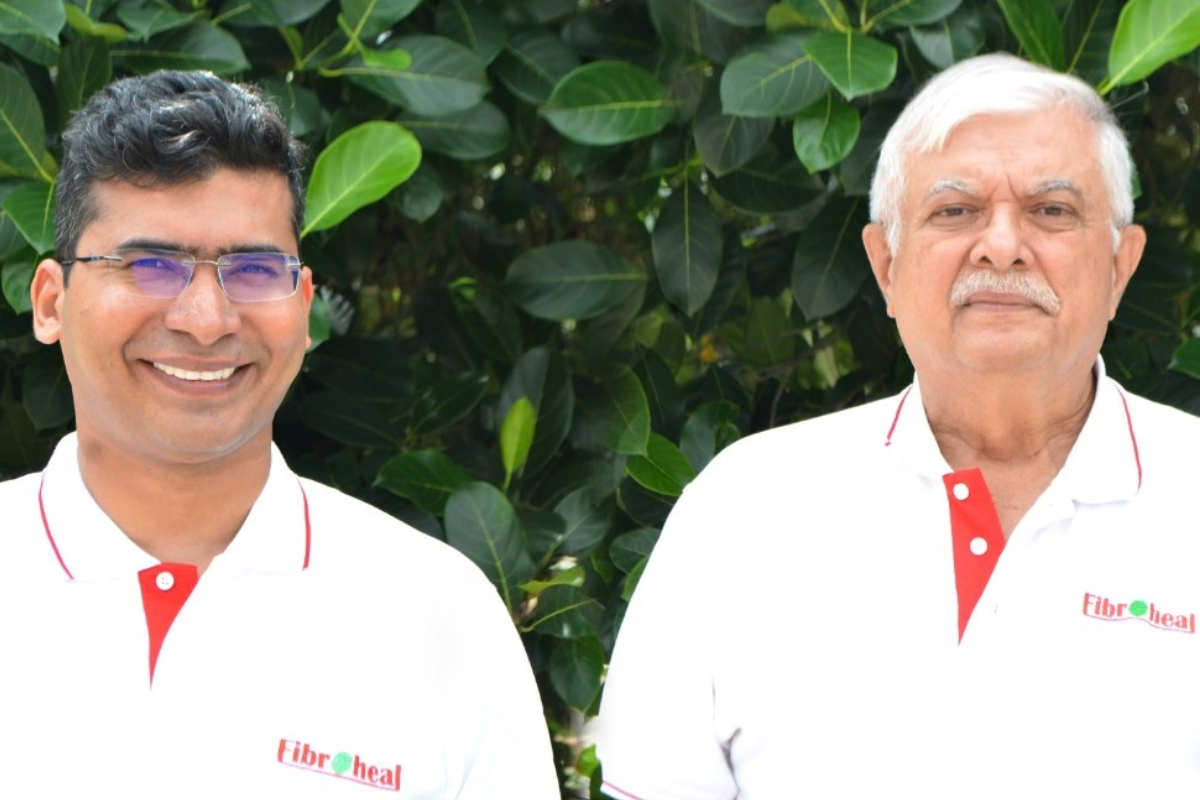
Silk fibroin biomaterials are medical materials made from fibroin, the structural protein in silk. Fibroheal converts this protein into products designed to support tissue repair. This matters because ordinary wound dressings mainly act as passive coverings. They protect the wound but do not actively guide biological regeneration, which can prolong healing in difficult cases. Fibroheal’s materials can support cellular attachment and migration, helping cells settle on the wound and move across it. They also help maintain moisture balance, a key condition for healing. Depending on the clinical need, the materials can appear as powders, gels, sheets, or hemostatic sprays. Some products release nano-silver gradually to help control infection. The company supplies these products to more than 500 hospitals in India and has treated over 200,000 patients. Its platform also has nine patents. These figures show that silk fibroin is being developed as a practical wound-care technology, not merely as an experimental material.
Based on reporting by Tech in Asia
What are silk fibroin biomaterials, and how do they differ from conventional passive wound dressings?
Silk fibroin biomaterials are medical materials made from fibroin, the structural protein in silk. Fibroheal converts this protein into products designed to support tissue repair. This matters because ordinary wound dressings mainly act as passive coverings. They protect the wound but do not actively guide biological regeneration, which can prolong healing in difficult cases.
Fibroheal’s materials can support cellular attachment and migration, helping cells settle on the wound and move across it. They also help maintain moisture balance, a key condition for healing. Depending on the clinical need, the materials can appear as powders, gels, sheets, or hemostatic sprays. Some products release nano-silver gradually to help control infection.
The company supplies these products to more than 500 hospitals in India and has treated over 200,000 patients. Its platform also has nine patents. These figures show that silk fibroin is being developed as a practical wound-care technology, not merely as an experimental material.
What does Fibroheal’s silk-based technology actually do inside or around a wound?
Inside or around a wound, Fibroheal’s silk-based materials are designed to actively support the body’s repair process. They help accelerate tissue regeneration and wound closure rather than simply separating damaged tissue from the outside environment. This approach is especially relevant for complex and chronic wounds, where passive protection may not be enough.
The technology provides several functions at once. It supports cellular attachment and migration, allowing healing-related cells to settle and move across the wound. It maintains moisture balance during healing. Some products also release nano-silver gradually, providing sustained infection control. The platform can be used as powders, gels, sheets, or hemostatic sprays, depending on the situation.
Fibroheal has used this technology across more than 500 hospitals in India and treated over 200,000 patients. Its hemostatic technology has also been deployed in military and emergency operations. The article presents these uses as evidence of broad clinical and operational application.
How large is Fibroheal’s reach, in terms of hospitals served, patients treated, patents, and institutional partnerships?
Fibroheal’s reported reach spans hospitals, patients, intellectual property, and research relationships. It supplies wound-care products to over 500 hospitals across India. Its biomaterial solutions have treated more than 200,000 patients. These numbers indicate that the company has moved beyond early laboratory development into sizable clinical use.
The company also holds nine patents for its proprietary silk-protein technology. Patents can protect the specific methods and formulations behind its biomaterials, although the article does not describe the individual inventions. Fibroheal has additionally formed more than 30 collaborations with industry, academic, and research institutions globally. These partnerships may support development, validation, or deployment, but their exact roles are not provided.
Its hemostatic technology has been deployed during military and emergency operations. Together, the hospital supply, patient treatment, patents, and partnerships show a multi-dimensional footprint. The article does not provide revenue figures or international patient totals, so the reported scale is primarily Indian and partnership-based.
How could actively supporting tissue regeneration and releasing nano-silver change healing time, infection risk, and treatment costs?
Active wound care could change treatment by addressing more than protection. If a material accelerates tissue regeneration and wound closure, a wound may require care for less time. Faster closure could reduce the duration of dressings, clinical visits, and other support. The article describes these capabilities, but it does not provide measured healing-time reductions.
The mechanism combines biological support with infection control. Cellular attachment and migration help repair-related cells settle and move across the wound. Moisture balance supports the healing environment. Sustained nano-silver release is intended to control infections. Lower infection risk could reduce complications, but the article does not report a specific infection-rate change or claim that every wound will respond similarly.
Treatment costs could fall if healing becomes faster, complications decrease, or locally made products replace some imports. India currently imports 85% of advanced wound-care solutions, and this reliance keeps costs high. Still, Fibroheal’s actual savings are not stated. Its ongoing hospital relationships create an opportunity for broader cost effects over time.
Why are complex and chronic wounds harder to heal than ordinary cuts?
Complex and chronic wounds are harder to heal because the normal repair sequence may be disrupted. A small cut often closes after bleeding stops, inflammation clears damaged material, and new tissue forms. Chronic wounds can remain open for weeks or months. They may repeatedly face pressure, friction, contamination, or tissue breakdown, giving the body fewer chances to rebuild the area.
General medical knowledge identifies several common barriers. Poor blood flow can limit oxygen and nutrients. Diabetes can impair circulation, sensation, and immune responses. Infection can prolong inflammation and damage new tissue. Large wounds may also lack enough healthy tissue for cells to attach and migrate across. These factors can interact, making healing slower and less predictable.
The article connects this challenge to passive dressings. Conventional coverings may protect a wound but do not actively support regeneration. Fibroheal’s approach aims to help with closure, cell movement, moisture balance, and infection control. The article does not identify which specific conditions affect each patient or quantify outcomes by wound type.
Why does India import most of its advanced wound-care products, and how could domestic production affect patients and healthcare systems?
The article states that India imports 85% of its advanced wound-care solutions. It does not explain the reasons for this dependence, such as manufacturing capacity, regulation, technology access, or procurement patterns. Therefore, the safest conclusion is that the country currently relies heavily on foreign medical devices, rather than assigning a specific cause.
Domestic production could change that situation by adding locally developed alternatives. Fibroheal converts silk fibroin into powders, gels, sheets, and hemostatic sprays. If such products are produced and supplied within India, healthcare systems may have another source for advanced wound care. Local production could also support domestic research, manufacturing, and clinical partnerships, although these effects are not quantified in the article.
The reported economic problem is clear: reliance on foreign devices keeps treatment costs high for patients and local healthcare systems. Fibroheal already supplies more than 500 Indian hospitals. Its target of 5,000 to 8,000 high-volume hospitals suggests room for substantial expansion, but actual savings and import replacement remain unreported.
How does the body normally repair damaged tissue, and what roles do moisture, cell attachment, cell migration, and tissue regeneration play in that process?
In general, the body first stops bleeding by forming a clot. It then uses inflammation to remove damaged material and defend against microbes. Next, cells build new tissue and blood vessels, while skin or other tissue grows across the wound. Finally, remodeling strengthens and reorganizes the repaired area. The article refers to these natural processes but does not describe every biological stage.
Moisture balance helps prevent a wound from becoming excessively dry or overly wet. Cell attachment gives repair-related cells a surface where they can settle. Cell migration lets those cells move across damaged tissue. Together, these steps help form new tissue and close the wound. Fibroheal’s materials are designed to support these functions rather than merely cover the injury.
The company’s platform also aims to accelerate regeneration and wound closure while controlling infection through sustained nano-silver release. These functions could create a more supportive local environment for healing. However, the article does not provide detailed biological measurements or prove that every product produces the same effect in every wound.
Key Facts:
📌 Silk fibroin is the structural protein used to create Fibroheal’s biomaterials.
📌 The materials support cell attachment, migration, moisture balance, and tissue regeneration.
📌 Products come as powders, gels, sheets, and hemostatic sprays.
📌 The materials interact directly with the wound environment.
📌 Nano-silver is released gradually to help control infections.
📌 The platform supports both wound healing and hemostasis.
📌 Fibroheal supplies products to over 500 hospitals across India.