News · Politics & Governance
Whistleblower says Trump demanded FBI probe into protesters over a TikTok he saw
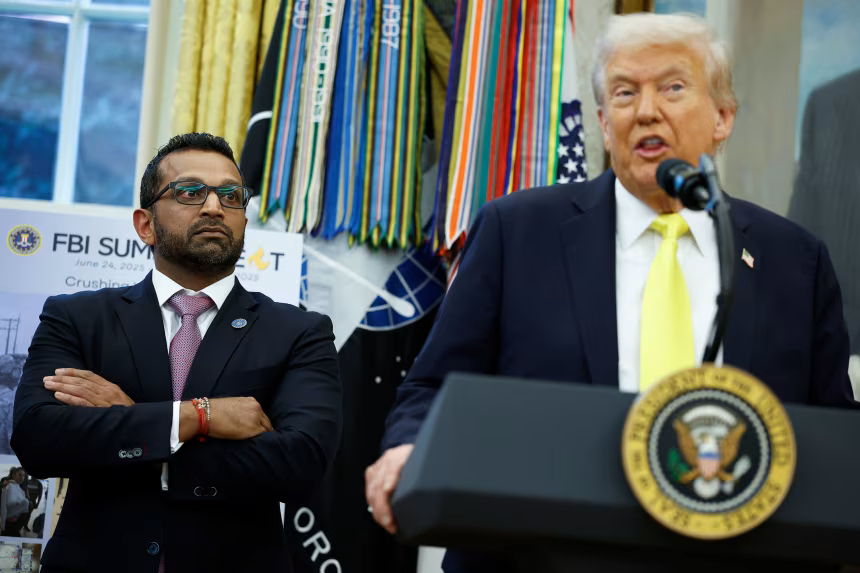
The FBI allegedly responded to Trump’s reaction by opening preliminary investigations into protesters shown in a TikTok video. The issue matters because the whistleblower said FBI policy bars investigations based only on First Amendment-protected activity. She also said investigators lacked evidence of a crime when the checks began. The video showed a February 2025 protest in Alhambra, California. Protesters used bullhorns to warn neighbors about immigration-enforcement officers. According to the complaint, an analyst told Fields that the squad had been ordered to run pre-assessment checks on two to four people accused of impeding an immigration arrest. Fields said FBI Director Kash Patel told leaders Trump was angry and wanted arrests. The administration said its focus was violence, obstruction, and assaults on officers, which are not protected by the First Amendment. The FBI and Justice Department have not publicly confirmed the number of investigations. The allegation raises questions about political pressure and the boundary between protest and criminal conduct.
Based on reporting by Egypt Independent
What did the FBI allegedly do after President Trump saw the TikTok video?
The FBI allegedly responded to Trump’s reaction by opening preliminary investigations into protesters shown in a TikTok video. The issue matters because the whistleblower said FBI policy bars investigations based only on First Amendment-protected activity. She also said investigators lacked evidence of a crime when the checks began.
The video showed a February 2025 protest in Alhambra, California. Protesters used bullhorns to warn neighbors about immigration-enforcement officers. According to the complaint, an analyst told Fields that the squad had been ordered to run pre-assessment checks on two to four people accused of impeding an immigration arrest. Fields said FBI Director Kash Patel told leaders Trump was angry and wanted arrests.
The administration said its focus was violence, obstruction, and assaults on officers, which are not protected by the First Amendment. The FBI and Justice Department have not publicly confirmed the number of investigations. The allegation raises questions about political pressure and the boundary between protest and criminal conduct.
What is a preliminary FBI investigation, and how is it different from a full criminal investigation?
A preliminary FBI investigation is an initial fact-checking phase. Agents assess available information and ask whether a possible federal crime may have occurred. It is not the same as proving wrongdoing or filing charges. The distinction matters because opening investigative activity can still expose people to scrutiny, even when evidence is limited.
In this article, the alleged first step was a “pre-assessment check” of protesters in a video. The complaint says the FBI had not yet found evidence of a crime. A full criminal investigation would generally involve a more developed factual basis and systematic evidence gathering about a particular offense, suspects, and events. Specific procedures can vary by case and FBI rules.
The central dispute is whether the early checks were justified by conduct beyond speech. The Justice Department says it must investigate possible violations, including assaults or conspiracies. Fields argued that protected protest activity alone could not lawfully support these investigations. The article does not report that charges were filed.
How many protesters were reportedly targeted in the Alhambra video, and how many separate incidents did the whistleblower describe?
The reported Alhambra target was a small group: two to four anti-ICE and Customs and Border Protection protesters. That number came from an analyst working under Jill Fields, according to the lawyers’ letter to senators. The detail matters because it shows how a single public video allegedly became the basis for individual FBI scrutiny.
The protesters were accused of impeding an immigration arrest, but Fields’ disclosure said the squad did not yet have evidence of a crime. The FBI allegedly ordered pre-assessment checks after Trump demanded an investigation of people he saw in the TikTok video. The complaint says FBI Director Kash Patel told leaders the president wanted those protesters investigated and arrested.
Fields described two separate incidents in which White House officials demanded investigations and arrests of anti-ICE protesters. The other incident involved protesters outside a federal building in California and reportedly followed a demand from then-Acting Deputy Attorney General Emil Bove. The article does not give a total number of protesters across both incidents.
What were the protesters doing at the Alhambra demonstration, and what actions did officials say might constitute crimes?
The Alhambra demonstrators were described as using bullhorns to alert nearby residents about ICE and Customs and Border Protection officers. That conduct is important because speech and public protest generally receive First Amendment protection. Fields’ complaint said investigators were told to check protesters accused of impeding an immigration arrest, but the squad lacked evidence of a crime at that stage.
The Justice Department said it must investigate possible federal-law violations. It specifically mentioned conspiracies to impede federal law enforcement and assaults on federal officers. The White House separately cited violent rioting, obstructing law enforcement, and assaulting officers. Those statements identify conduct officials said could fall outside constitutional protection, unlike speech alone.
The dispute is therefore about what protesters actually did, not simply whether they opposed immigration enforcement. If investigators find violence, threats, physical interference, or an agreement to commit a crime, prosecution may be possible. The article does not establish that the Alhambra protesters committed those acts or that charges were filed.
What could happen to protesters when federal investigators treat protest activity as possible obstruction, assault, or conspiracy?
When federal investigators treat protest activity as possible obstruction, assault, or conspiracy, protesters may become subjects of investigative checks and potentially face arrest or prosecution. The consequences can be serious even before charges are proved. Investigations can bring official scrutiny, disrupt lives, and discourage others from joining demonstrations. The First Amendment concern is whether authorities are responding to crimes or merely to an unpopular viewpoint.
The Alhambra example shows the mechanism. The FBI allegedly ran pre-assessment checks on two to four protesters accused of impeding an immigration arrest. The Justice Department said assaults and conspiracies to impede federal law enforcement are illegal. The White House said people who assault or obstruct officers will be arrested and prosecuted to the fullest extent of the law.
The article does not say the Alhambra protesters were charged. It does report that Fields believed the investigations violated law and policy, and that she ultimately resigned after losing her team and FBI leadership support. The case may influence debates about protest policing and investigative safeguards.
How does the First Amendment protect protest and speech, and when can the government lawfully investigate conduct connected to a protest?
The First Amendment protects people who speak, assemble, and criticize government policy. That protection covers unpopular political messages, including opposition to ICE operations. It matters because law enforcement cannot normally treat a viewpoint or peaceful protest as a crime simply because officials dislike it. Investigations based only on protected activity can chill participation in public debate.
The boundary changes when conduct goes beyond expression. Violence, credible threats, physical assault, and intentional criminal obstruction may be investigated if officials have facts connecting people to those acts. In this article, the Justice Department cited assaults and conspiracies to impede federal officers. The White House cited rioting and obstruction. Fields said investigators needed evidence of action beyond speech before opening investigations or considering charges.
The reported Alhambra conduct was the use of bullhorns to warn neighbors about immigration officers. The complaint says the FBI lacked evidence of a crime when checks began. Whether any protester crossed the legal line would depend on specific facts, not the protest’s anti-ICE message alone.
Why are FBI policies designed to prevent investigations based only on constitutionally protected activity, and how does presidential influence over federal law enforcement create a legal concern?
Policies barring investigations based only on protected activity are designed to prevent viewpoint discrimination. They help ensure that people are not investigated simply for criticizing officials, opposing government policy, or attending a demonstration. Such safeguards also protect free speech, conserve investigative resources, and maintain confidence that federal law enforcement applies rules neutrally.
The article says Fields believed FBI policy prohibited opening investigations based solely on First Amendment activity. In the Alhambra case, the complaint says Trump demanded an investigation after seeing a TikTok video, while Patel reportedly told leaders the president wanted protesters investigated and arrested. Fields said the squad had no evidence of a crime when it began pre-assessment checks.
Presidential influence is not automatically unlawful, and officials say violent conduct must be investigated. The concern arises when political demands appear to direct investigations because of protesters’ message, before facts show a crime. That could conflict with FBI policy and constitutional protections. The allegations may prompt Senate questions about active investigations and safeguards against improper pressure.
Key Facts:
📌 Trump reportedly demanded an investigation after watching an Alhambra protest video.
📌 The FBI allegedly ran checks on two to four protesters.
📌 Patel reportedly said Trump wanted the protesters investigated and arrested.
📌 Preliminary investigations assess whether facts justify deeper investigative work.
📌 The alleged checks began before investigators had evidence of a crime.
📌 A full investigation generally develops evidence about a specific suspected offense.
📌 Two to four protesters were reportedly targeted in the Alhambra video.