News · International Relations
EU ambassadors approve largest-ever sanctions list against Russia - source
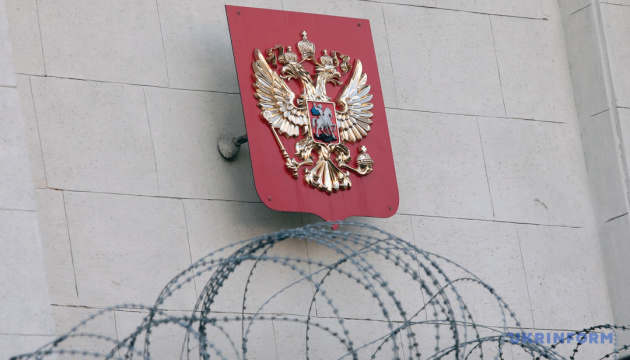
The package is a major expansion of the EU’s restrictive measures against Russia. It aims to increase pressure on people and organizations connected to Russia’s policies and actions. The source describes it as the largest sanctions list the EU has assembled against Russia. Its main part contains 1,569 proposed listings. These cover 743 individuals and 826 entities. The package would also add 77 entities linked to Russia’s State Duma elections, including candidates who ran in Ukrainian territory occupied by Russia and election officials. EU ambassadors have agreed to approve the package, but their agreement is not the final legal step. The EU Foreign Affairs Council is scheduled to formally approve the listings in Luxembourg on October 12. Once adopted, the measures would become part of the EU’s sanctions framework, with exact restrictions depending on each listing.
Based on reporting by Ukrinform English
What sanctions package have EU ambassadors agreed to approve against Russia?
The package is a major expansion of the EU’s restrictive measures against Russia. It aims to increase pressure on people and organizations connected to Russia’s policies and actions. The source describes it as the largest sanctions list the EU has assembled against Russia.
Its main part contains 1,569 proposed listings. These cover 743 individuals and 826 entities. The package would also add 77 entities linked to Russia’s State Duma elections, including candidates who ran in Ukrainian territory occupied by Russia and election officials.
EU ambassadors have agreed to approve the package, but their agreement is not the final legal step. The EU Foreign Affairs Council is scheduled to formally approve the listings in Luxembourg on October 12. Once adopted, the measures would become part of the EU’s sanctions framework, with exact restrictions depending on each listing.
What are economic sanctions, and how can the EU use them against people and organizations?
Economic sanctions are government-imposed restrictions designed to change a target’s behavior without military action. They can limit access to money, property, trade, banking, technology, or other economic resources. Sanctions may target governments, companies, organizations, or individuals.
For example, the EU can place a person or entity on a sanctions list and require assets under EU jurisdiction to be frozen. It can also prohibit EU people and companies from providing funds or economic resources to that target. Some listings include travel bans or limits on specific business activities. The exact rules depend on the legal decision.
The article does not specify the precise restrictions for every proposed listing. It does show how the EU uses lists to identify targets and coordinate action across member states. The planned additions would extend pressure on Russian actors connected to the war and contested elections.
How large is this sanctions list, and how many individuals and entities does it include?
The central sanctions package is extremely large. It contains 1,569 listings, making it the largest-ever Russia sanctions list described in the article. The number includes both people and organizations, reflecting a broad approach rather than action against only senior officials.
Of those 1,569 listings, 743 concern individuals. Another 826 concern entities, such as companies, organizations, or other legally recognized bodies. The source separately says that 77 more entities linked to State Duma elections would also be included. If counted with the main package, the announced total is 1,646 listings.
The figures show the scale of the EU’s planned response. They also show why the approval process matters: each listing must be formally adopted and then applied under EU rules. The article says ambassadors agreed to the package, while the Foreign Affairs Council would approve it formally on October 12.
Who else is being targeted because of Russia's State Duma elections in territories occupied by Russia?
The additional targets are connected to Russia’s State Duma elections. The source says the EU would list 77 entities linked to those elections. This expands the sanctions beyond general economic or political actors and focuses on participation in an electoral process.
The named categories include candidates who ran for State Duma seats in Ukrainian territory temporarily occupied by Russia. Several election commission officials would also be included. Their alleged connection, as described by the source, is their role in elections held or organized in those territories. The article does not provide individual names.
This targeting carries a political message. The EU is signaling that participation in Russia’s electoral process in occupied Ukrainian areas can lead to restrictive measures. The listings still require formal approval by the EU Foreign Affairs Council. That meeting is scheduled for October 12 in Luxembourg, according to the article.
What happens to a person or organization after the EU places it on a sanctions list?
Being placed on an EU sanctions list normally creates legal restrictions across EU member states. The aim is to limit the target’s access to money, property, trade, and other resources. It can also make dealings with the target legally risky or prohibited for EU businesses and citizens.
A common mechanism is an asset freeze. Funds or property belonging to the listed person or organization cannot generally be moved or used within EU jurisdiction. EU actors are also usually barred from making funds or economic resources available to the target. Individuals may face travel bans, while companies can face transaction or sector-specific restrictions.
The article does not state the exact measures attached to every proposed listing. Those details depend on the formal EU decision and the category of target. The announced package therefore signals intended pressure, but its precise effects begin when the Foreign Affairs Council adopts the listings and publishes the applicable rules.
What role does the EU Foreign Affairs Council play in formally approving sanctions?
The EU Foreign Affairs Council brings together the member states’ foreign ministers and handles major EU foreign-policy decisions. In this case, it is the institution named as responsible for formally approving the proposed Russia sanctions. That step gives the listings their official legal status within the EU system.
EU ambassadors have already agreed on the package in diplomatic discussions. Their agreement indicates political support, but it does not replace the Council’s formal action. The Council is expected to approve the listings at its meeting in Luxembourg on October 12. After adoption, the measures can be published and applied under EU rules.
This two-stage process helps member states coordinate before ministers make the official decision. It also creates a clear distinction between negotiation and legal approval. Until the Council acts, the article describes the package as agreed for approval, not as fully adopted sanctions. The final text determines the exact targets and restrictions.
How do sanctions work as a foreign-policy tool when countries want to pressure another government without using military force?
Sanctions are a foreign-policy tool for applying pressure without direct military force. A country or group can restrict trade, freeze assets, limit financial access, or block travel. These steps aim to make certain policies more costly and to show that the targeted conduct has consequences.
The mechanism depends on cooperation. If the EU lists a person or organization, EU banks, companies, and authorities must follow the relevant restrictions. A frozen account, blocked transaction, or denied business relationship can reduce the target’s resources and international connections. Broad lists can also affect networks around a government, not only its top leaders.
The article illustrates this approach through the planned Russian listings. They cover hundreds of individuals and entities, plus election-linked actors. The package seeks pressure through coordinated economic and political restrictions. Its future impact will depend on formal approval, enforcement, and whether the targets change behavior. Sanctions can signal resolve, but they do not guarantee a policy reversal.
Key Facts:
📌 The package is described as the EU’s largest-ever Russia sanctions list.
📌 Its main section contains 1,569 proposed listings.
📌 Another 77 entities are linked to State Duma elections.
📌 Sanctions restrict economic activity without using military force.
📌 Asset freezes can block access to property and funds.
📌 Exact restrictions depend on each EU sanctions decision.
📌 The main package contains 1,569 listings.