News · Defence & Security
RSF strikes kill 4 in SE Sudan as al-Burhan vows to continue fight
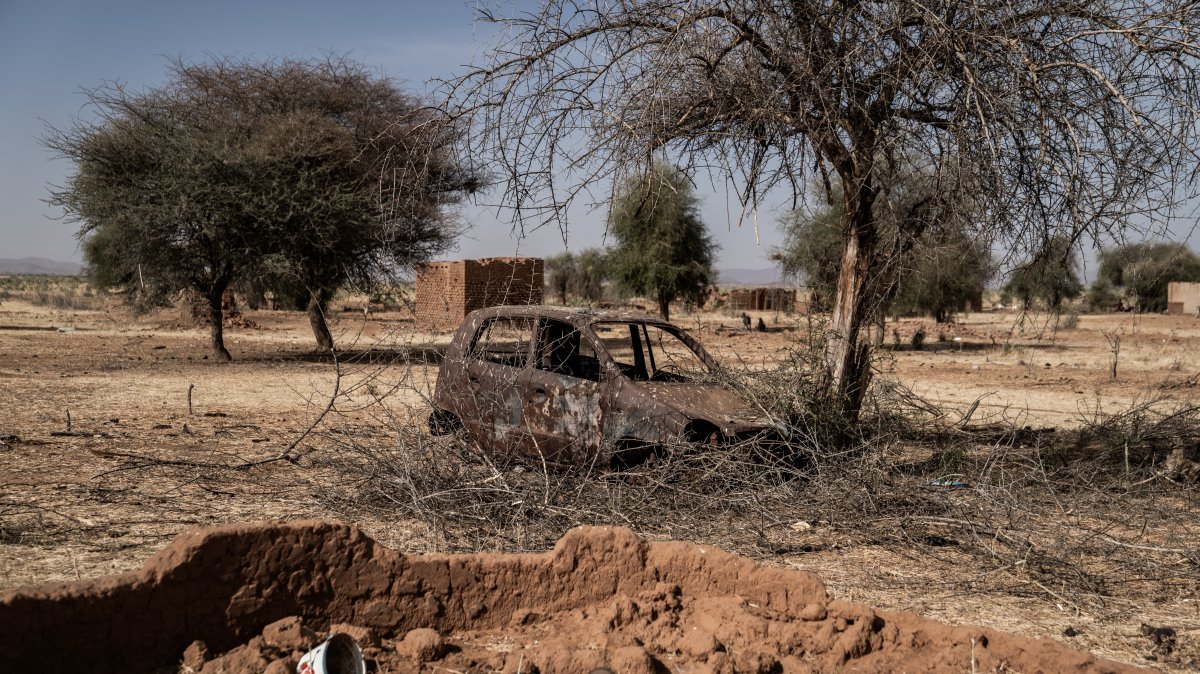
Damazin is the capital of Sudan’s Blue Nile state, in the country’s southeast. On Wednesday, rights groups reported that RSF drones struck civilian areas there. The reported deaths and injuries matter because attacks on people and civilian buildings can deepen fear and displacement during Sudan’s wider war. The Emergency Lawyers Committee said drones hit homes, a mosque, and other civilian sites early Wednesday. It reported that four women were killed in the al-Hijra neighborhood and that dozens of civilians were injured. A local civil society group blamed the RSF and its ally, the SPLM-N. The RSF had not commented when the report was published. The incident adds to repeated accusations that the group targets civilians, though the RSF denies those charges. The rights committee called for an immediate halt and accountability, warning that deliberate attacks on civilians or civilian objects violate international humanitarian law.
Based on reporting by Daily Sabah Turkey
What happened in Damazin, where is it, and which civilian places were reportedly hit?
Damazin is the capital of Sudan’s Blue Nile state, in the country’s southeast. On Wednesday, rights groups reported that RSF drones struck civilian areas there. The reported deaths and injuries matter because attacks on people and civilian buildings can deepen fear and displacement during Sudan’s wider war.
The Emergency Lawyers Committee said drones hit homes, a mosque, and other civilian sites early Wednesday. It reported that four women were killed in the al-Hijra neighborhood and that dozens of civilians were injured. A local civil society group blamed the RSF and its ally, the SPLM-N.
The RSF had not commented when the report was published. The incident adds to repeated accusations that the group targets civilians, though the RSF denies those charges. The rights committee called for an immediate halt and accountability, warning that deliberate attacks on civilians or civilian objects violate international humanitarian law.
What is Sudan’s Rapid Support Forces (RSF), and how is it different from the country’s regular army?
Sudan’s Rapid Support Forces, or RSF, are a paramilitary armed organization. Unlike the regular army, they are not the country’s conventional national military structure. The article describes the opposing force as the army and says the war began after a dispute over bringing the RSF into the military.
This difference matters because two heavily armed power centers operate inside one country. The regular army is the Sudanese Armed Forces, while the RSF maintains its own command and forces. Their disagreement over integration became a central cause of the conflict. The article also identifies the RSF as working with the SPLM-N in the reported Damazin attack.
The separation has produced competing claims to authority and prolonged fighting since April 2023. Sudanese authorities and rights groups accuse the RSF of attacking civilians, while the RSF denies those accusations. The army’s leadership rejects a settlement that would treat the state and the RSF as equals.
How many people have been killed or displaced in Sudan’s war, and how many civilians were reportedly killed in drone attacks during the first half of the year?
Sudan’s war has created one of the world’s worst humanitarian crises. The article says tens of thousands of people have been killed and 13 million displaced since fighting began. Displacement means people have been forced from their homes, often losing safety, income, healthcare, and access to food.
Drone violence is also a major part of the crisis. On August 24, the United Nations said 1,100 civilians had been killed in drone attacks between January and June of that year. That figure covers civilian deaths from drone attacks, while the article’s larger death toll covers the war more broadly. The figures therefore measure different parts of the conflict.
The numbers show that harm is widespread, not limited to front lines. Attacks in civilian areas, including Damazin, increase the danger for families and essential services. Continued fighting could drive further displacement and hunger, while accountability and protection for civilians remain urgent needs.
Who is Abdel Fattah al-Burhan, and what authority does he have over Sudan’s military and government?
Abdel Fattah al-Burhan is the chairman of Sudan’s Sovereign Council, the country’s central governing authority during the war. He is also the senior leader of Sudan’s armed forces. This gives him major influence over both military strategy and the government’s public position on negotiations.
The article says Burhan vowed to continue the campaign until “every inch” of Sudan is retaken. He addressed a public gathering in Village 5 in Northern State and reaffirmed the military option. He also repeated the government’s rejection of negotiations that would place the state and the RSF on equal footing.
His position signals that Sudan’s leadership currently favors military pressure over an immediate political settlement. The government says any truce or dialogue must require RSF withdrawal from cities and institutions, weapons handover, regrouping in camps, and accountability. Those demands make a rapid negotiated end to the war less likely.
Why did fighting between Sudan’s army and the RSF begin in April 2023?
Fighting between Sudan’s army and the RSF began in April 2023. The article identifies the immediate cause as a dispute over integrating the paramilitary RSF into the regular military. Integration was a major question of command and power: it would determine who controlled fighters, weapons, and national security.
The army and RSF were both powerful armed institutions, but they did not agree on how or when the RSF should join the military. That disagreement escalated into open conflict. Once fighting began, the rivalry spread beyond military bases and affected cities, neighborhoods, public institutions, and civilian communities.
The war has continued since then, with clashes reported across Sudan, including the Kordofan states. It has killed tens of thousands, displaced 13 million people, and produced famine conditions in parts of the country. Burhan’s current call to retake the country suggests the leadership still prioritizes victory over negotiations.
What happens to civilians and the wider country when a war produces repeated attacks, displacement, and famine conditions?
When war repeatedly hits civilians, families lose homes, loved ones, income, and access to essential services. Displacement separates people from communities and makes food, clean water, healthcare, and education harder to reach. Famine conditions add the risk of severe hunger and death, especially for children and other vulnerable people.
Sudan’s experience shows how these harms reinforce one another. Drone strikes on homes and a mosque in Damazin injured civilians and spread fear. Across the country, fighting has killed tens of thousands and displaced 13 million people. Large-scale movement also strains host communities and humanitarian organizations trying to provide assistance.
The wider country suffers as public institutions, markets, infrastructure, and social trust are damaged. Continued attacks can deepen famine and make recovery harder even after fighting stops. The article’s reported civilian deaths and the government’s commitment to a military campaign suggest that humanitarian needs will remain urgent unless violence decreases and aid can safely reach people.
What is international humanitarian law, and why does it prohibit deliberately attacking civilians, homes, and places of worship?
International humanitarian law is the set of international rules governing armed conflict. It seeks to reduce suffering by protecting civilians and civilian objects, including homes and places of worship. It also requires parties to distinguish military targets from civilian sites and avoid deliberate attacks on protected people and property.
The Damazin report illustrates why these rules matter. The Emergency Lawyers Committee said RSF drones struck homes, a mosque, and other civilian sites. It reported four women killed and dozens injured. The committee warned that deliberately directing attacks against civilians or civilian objects is a serious violation of international humanitarian law.
These protections apply even during a bitter war and do not depend on which side claims justification. Violations can cause immediate deaths and lasting fear, displacement, and destruction. The committee called for attacks to stop and those responsible to face accountability. The article says the RSF had not commented and denies broader accusations of targeting civilians.
Key Facts:
📌 - Damazin is the capital of Sudan’s Blue Nile state.
📌 - Four women reportedly died in the al-Hijra neighborhood.
📌 - Homes, a mosque, and other civilian sites were reportedly struck.
📌 - The RSF is a paramilitary force, separate from Sudan’s regular army.
📌 - Fighting followed a dispute over integrating the RSF into the military.
📌 - The RSF denies repeated accusations that it targets civilians.
📌 - The war has killed tens of thousands of people.