News · International Relations
Erdoğan, Putin discuss Black Sea security, Russia-Ukraine contacts
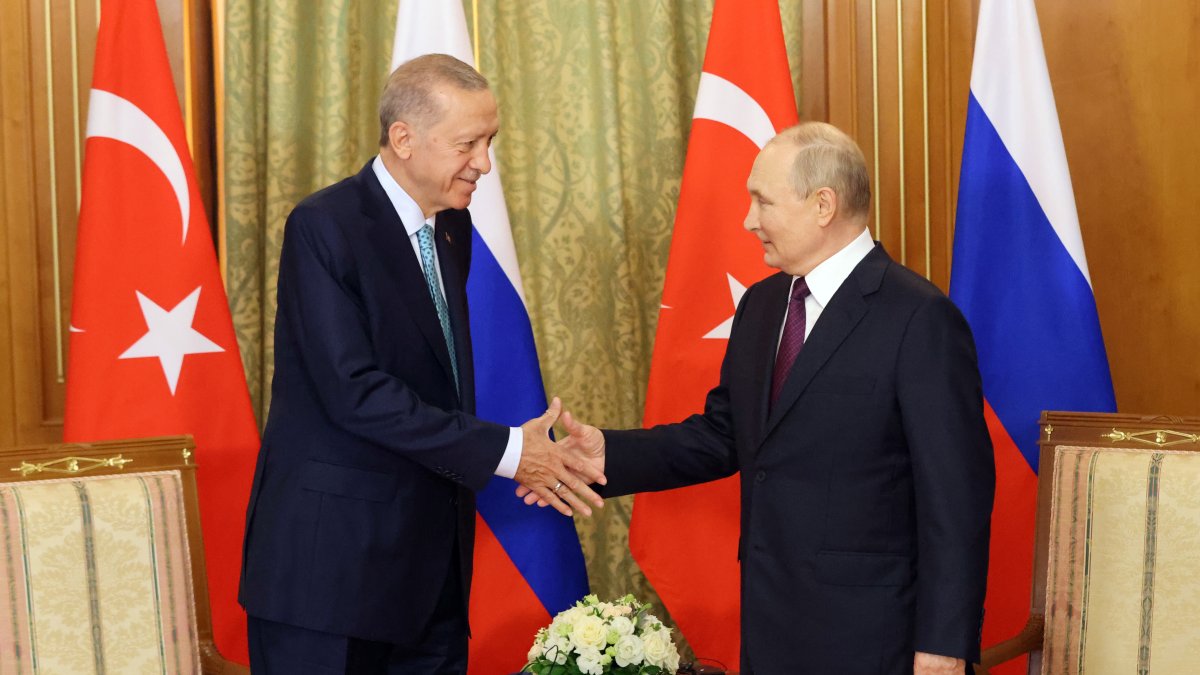
In this context, Black Sea security means protecting safe navigation. Ships should be able to travel without attacks, blockades, mines, seizures, or other dangerous interference. It also includes communication between the countries whose military actions affect the sea. This matters because the Black Sea connects ports, markets, energy routes, and agricultural exporters. The article gives one clear example. During his call with Putin, Erdoğan emphasized ongoing efforts to ensure navigation safety in the Black Sea. He also said Türkiye was ready to support direct contacts between Moscow and Kyiv. The key mechanism is practical diplomacy: countries communicate rules, reduce risks, and address incidents before they worsen. Security does not necessarily mean peace or the end of fighting. It can mean limited arrangements that protect ships while the broader war continues. Erdoğan’s comments show that navigation and diplomacy remain connected. If those efforts continue, they could support trade and reduce regional danger. If they fail, shipping disruptions could affect wider markets.
Based on reporting by Daily Sabah Turkey
What does “Black Sea security” mean in this context?
In this context, Black Sea security means protecting safe navigation. Ships should be able to travel without attacks, blockades, mines, seizures, or other dangerous interference. It also includes communication between the countries whose military actions affect the sea. This matters because the Black Sea connects ports, markets, energy routes, and agricultural exporters.
The article gives one clear example. During his call with Putin, Erdoğan emphasized ongoing efforts to ensure navigation safety in the Black Sea. He also said Türkiye was ready to support direct contacts between Moscow and Kyiv. The key mechanism is practical diplomacy: countries communicate rules, reduce risks, and address incidents before they worsen.
Security does not necessarily mean peace or the end of fighting. It can mean limited arrangements that protect ships while the broader war continues. Erdoğan’s comments show that navigation and diplomacy remain connected. If those efforts continue, they could support trade and reduce regional danger. If they fail, shipping disruptions could affect wider markets.
What are direct contacts between Moscow and Kyiv, and why would they matter during a war?
Direct contacts are official conversations between Russian and Ukrainian representatives or leaders. They may involve ceasefire proposals, prisoner exchanges, shipping rules, humanitarian access, or broader peace terms. They do not automatically mean friendship or a final settlement. During war, even narrow communication can matter because decisions made by one side can quickly endanger civilians, soldiers, and ships.
For example, Erdoğan told Putin that Türkiye remained ready to support efforts to establish direct contacts between Moscow and Kyiv. The proposed mechanism is dialogue through officials, envoys, or mediated meetings. These channels let the sides clarify intentions, exchange proposals, and arrange practical steps. A mediator can help keep communication open when trust is extremely low.
The article does not say that new direct talks were scheduled or that an agreement was reached. It reports Türkiye’s continuing readiness and Erdoğan’s support for solution-oriented diplomacy. If contacts resume, they could reduce specific risks and build confidence. They could also expose disagreements without immediately ending the war.
How much commercial shipping, energy, and agricultural trade depends on safe navigation in the Black Sea?
The Black Sea is a major trade corridor, but its importance depends on the product and the year. Before the full-scale invasion, Russia and Ukraine together accounted for about 28% of global wheat exports. Ukraine also sent most of its grain exports by sea. Russian ports handle large oil and petroleum shipments, while nearby routes carry energy, fertilizer, metals, and manufactured goods.
The key mechanism is connected infrastructure. Ships link Black Sea ports to the Mediterranean and global markets through Türkiye’s straits. Grain terminals, oil facilities, railways, pipelines, insurers, and shipping companies all depend on predictable access. Therefore, a security problem can affect many businesses beyond the immediate conflict zone.
There is no single reliable percentage for all commercial shipping, energy, and agricultural trade combined. Volumes change as routes, sanctions, prices, and insurers change. The article focuses on safe navigation rather than giving statistics. Its significance is clear, however: protecting Black Sea movement supports food markets, energy trade, and regional economies.
What could happen to food supplies, trade, and regional economies if ships could no longer safely use the Black Sea?
If ships could no longer safely use the Black Sea, food supplies would become less predictable and more expensive. Exporters might struggle to move wheat, corn, sunflower products, and fertilizer. Importing countries could face higher costs, delays, or reduced availability. Poorer countries would be especially exposed because food prices consume a larger share of household income.
The mechanism is straightforward. A dangerous route raises insurance premiums and may stop shipowners from sailing. Ports then lose cargo, exporters seek slower land or alternative sea routes, and transport costs increase. Energy shipments could face similar disruption. Storage facilities might fill in exporting regions while importing regions wait for deliveries. These effects can spread through global commodity markets.
The article does not predict a specific shortage or economic loss. It reports Erdoğan’s emphasis on navigation safety, which reflects these wider stakes. Regional economies around ports, shipping, logistics, and farming would suffer first. Continued diplomacy could protect limited maritime trade, while renewed disruption would encourage expensive alternative routes and deepen market uncertainty.
Why is Türkiye in a position to help promote talks and influence security in the Black Sea?
Türkiye is well placed to promote talks because of geography, diplomacy, and institutional influence. Its straits connect the Black Sea with the Mediterranean, making Turkish decisions and cooperation important for maritime movement. Türkiye is also a NATO member while maintaining working relations with Russia. That position gives Ankara access to both sides, although it cannot compel them to agree.
The article shows this role in practice. Erdoğan spoke directly with Putin, discussed regional issues, and said Türkiye was ready to support direct contacts between Moscow and Kyiv. Türkiye can offer meeting venues, relay messages, help design practical arrangements, and raise navigation concerns. Its location also makes it a natural participant in discussions about ships entering or leaving the Black Sea.
This influence has limits. The article does not report a new agreement or guarantee Türkiye’s success. Russia and Ukraine still make their own security decisions, and their interests conflict sharply. Still, Türkiye’s access, geography, and previous mediation experience allow it to keep diplomatic options open when direct trust is weak.
What previous agreements or negotiations has Türkiye helped support between Russia and Ukraine, and what happened to them?
Türkiye has supported several major Russia-Ukraine diplomatic efforts. In 2022, it and the United Nations helped broker the Black Sea Grain Initiative, which allowed Ukrainian food exports through designated maritime routes. Türkiye also hosted negotiations in Istanbul during the first months of the full-scale war. These efforts showed that limited cooperation was possible even without a peace treaty.
The grain arrangement used inspections, designated routes, and coordination involving Russia, Ukraine, Türkiye, and the United Nations. It helped move millions of tonnes of Ukrainian agricultural goods before Russia left the arrangement in July 2023. The Istanbul talks produced drafts and ideas, but they did not create a lasting settlement. Major disagreements over security, territory, and political conditions remained.
These precedents explain Erdoğan’s current message to Putin. Türkiye is again presenting itself as ready to support direct contacts and solution-oriented diplomacy. Past efforts demonstrate both possibility and fragility. Practical deals can protect trade or people for a time, but they require continued consent, monitoring, and political commitment from the parties.
How does diplomacy work when countries at war try to communicate, negotiate, or create limited agreements without ending the conflict?
Diplomacy during war does not require the sides to stop disagreeing. It creates channels for communication, negotiation, and limited deals. Governments may discuss ceasefires, prisoners, humanitarian aid, shipping, or civilian protection while military operations continue. The purpose is to manage danger, solve specific problems, and preserve a possible route toward a wider settlement.
The article illustrates this approach. Erdoğan urged solution-oriented diplomatic efforts and offered Türkiye’s support for direct Russia-Ukraine contacts. The mechanism can include phone calls, envoys, mediated meetings, written proposals, inspections, and monitoring. Clear commitments matter because each side fears exploitation. Third parties can host talks, transmit messages, and help verify whether agreed actions occur.
Such diplomacy is difficult and reversible. A limited agreement may reduce harm without resolving territory, security, or political disputes. The article reports no new deal from Erdoğan’s call, only continued support for dialogue and navigation safety. The forward implication is practical: keeping channels open can prevent miscalculation and preserve future negotiation, even while the conflict remains active.
Key Facts:
📌 Black Sea security includes safe navigation for commercial and other vessels.
📌 Erdoğan stressed navigation safety during his call with Putin.
📌 Maritime security can improve without ending the wider war.
📌 Direct contacts are official communication between Moscow and Kyiv.
📌 They can address practical issues without ending the war.
📌 Türkiye offered continued support for establishing such contacts.
📌 Russia and Ukraine supplied about 28% of global wheat exports before the invasion.