News · Health & Medicine
Global concerns mount in Russia plague scare
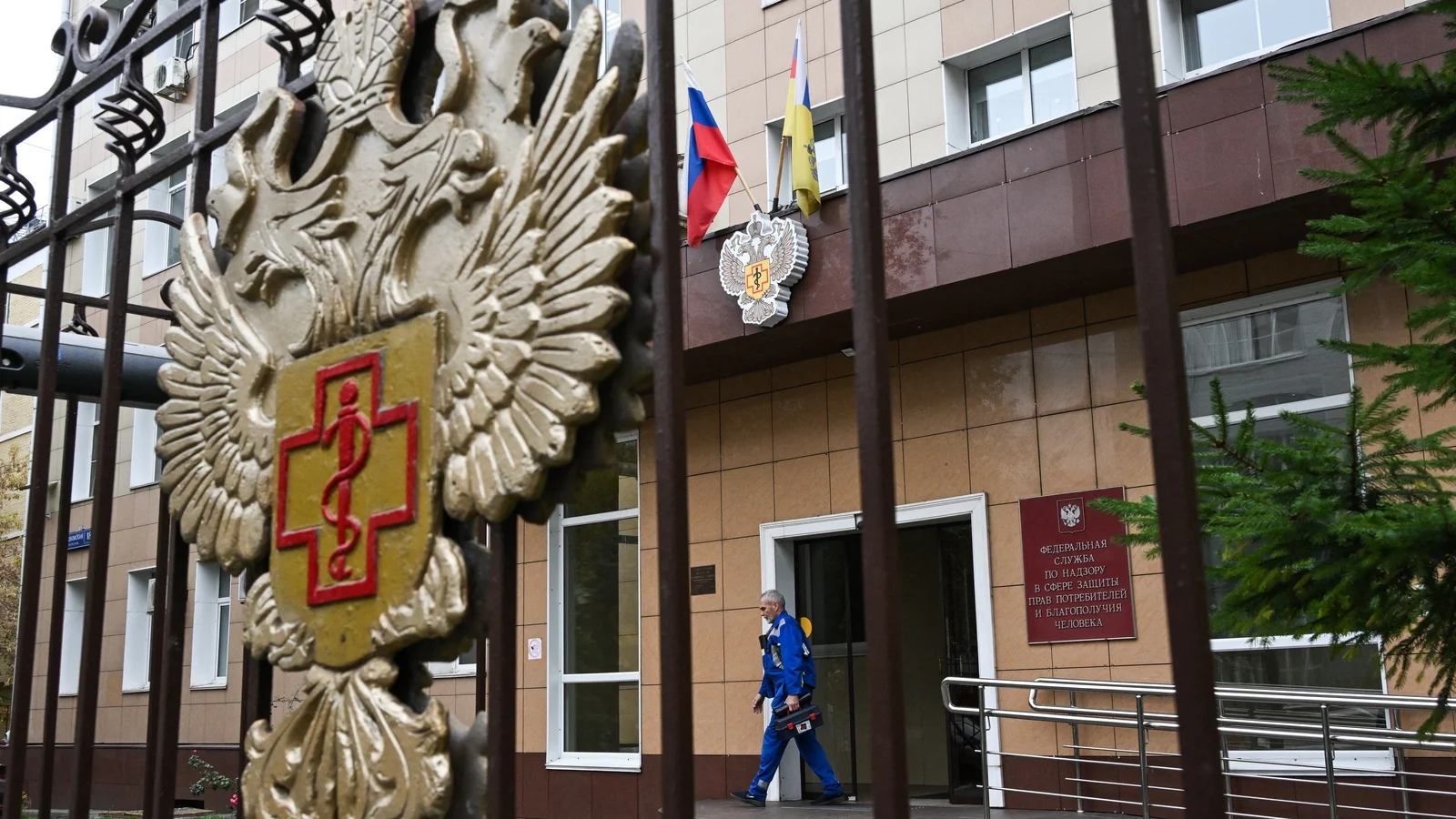
People of Baikal reported that Darya Shipilova, 28, died after possibly contracting pneumonic plague from a broken test tube at the Siberian institute. Other reports linked her death to a possible laboratory accident. The same outlet said another employee might be ill. Russian officials rejected a confirmed plague diagnosis. Irkutsk Governor Igor Kobzev said an inspection found pneumonia, but the cause remained undetermined. Post-mortem tests reportedly detected no plague, and no microorganisms connected with her professional work appeared in biological samples. Rospotrebnadzor said the woman had been vaccinated and had immunity to dangerous infections used in her work. It also said no other institute staff had sought medical care since her death. Officials stressed that there were no epidemic risks, while international organizations requested clearer information because reports remained conflicting.
Based on reporting by RTE Ireland
What was reported at the plague research institute in Irkutsk, and what do Russian authorities say caused the employee’s death?
People of Baikal reported that Darya Shipilova, 28, died after possibly contracting pneumonic plague from a broken test tube at the Siberian institute. Other reports linked her death to a possible laboratory accident. The same outlet said another employee might be ill.
Russian officials rejected a confirmed plague diagnosis. Irkutsk Governor Igor Kobzev said an inspection found pneumonia, but the cause remained undetermined. Post-mortem tests reportedly detected no plague, and no microorganisms connected with her professional work appeared in biological samples.
Rospotrebnadzor said the woman had been vaccinated and had immunity to dangerous infections used in her work. It also said no other institute staff had sought medical care since her death. Officials stressed that there were no epidemic risks, while international organizations requested clearer information because reports remained conflicting.
What is plague, and how are pneumonic plague and bubonic plague different?
Plague is an infectious disease caused by the bacterium Yersinia pestis. It commonly circulates among wild rodents and their fleas. People can become infected through flea bites, contact with infected animals, or, in some cases, inhaling droplets from someone with pneumonic disease.
Bubonic plague is the most common form. It usually causes fever and painfully swollen lymph nodes called buboes after an infected flea bite. Pneumonic plague affects the lungs. It can develop after infection spreads through the body or after inhaling bacteria, and it causes serious pneumonia.
The Irkutsk reports focused on suspected pneumonic plague, but Russian authorities said plague was not confirmed. The distinction matters because pneumonic plague can pass directly between people through respiratory droplets. Both forms need urgent medical evaluation, but lung infection can worsen especially quickly and requires rapid treatment and isolation precautions.
How many people may have been exposed, and what did health officials find while monitoring them?
The reported exposure figure was up to 200 people. People of Baikal said these individuals may have had contact with the deceased employee and were placed under quarantine. That number was reported by the outlet, not confirmed in the article as a final official count.
Rospotrebnadzor said more than 90 percent of contacts had completed medical observation. It reported no health disorders associated with infectious disease among those monitored. Russia also said contacts had been identified and arrangements made for medical monitoring and laboratory testing.
These findings reduced immediate evidence of an outbreak, but they did not settle the disagreement over the original diagnosis. Russian authorities said there were no epidemic risks in Irkutsk or the wider region. International officials still wanted timely, complete data so they could independently assess possible public-health risks and respond appropriately.
Why is pneumonic plague considered especially dangerous compared with other forms of plague?
Pneumonic plague is dangerous because infection reaches the lungs, where it can cause severe pneumonia and breathing failure. Unlike bubonic plague, it can spread directly between people through respiratory droplets produced by coughing or close contact. That creates a faster route for wider transmission.
The disease can worsen rapidly, so a delay in diagnosis may leave less time to protect the patient and close contacts. A suspected case therefore requires urgent medical assessment, appropriate isolation, contact tracing, and testing. These measures matter even before every laboratory result is available.
The article says the Irkutsk employee was reported to have died from possible pneumonic plague, although Russian officials said plague was not detected. The conflicting accounts explain the international concern. If pneumonic plague were confirmed, rapid treatment and transparent reporting would be essential to prevent additional severe illness and transmission.
What health measures did Russia and neighboring Mongolia take in response to the suspected cases?
Russia’s health authorities said they launched an epidemiological investigation into community-acquired pneumonia at the institute. They identified contacts, arranged medical observation and laboratory testing, and reported that more than 90 percent had completed monitoring. Rospotrebnadzor said there was no epidemic risk.
At the same time, Russian officials denied reports that anti-plague measures had been imposed. They said the employee’s cause of death was undetermined and that post-mortem testing had not found plague. Officials urged the public to rely on Rospotrebnadzor’s statements rather than what they called false media information.
Mongolia responded more cautiously. Its government said health surveillance and monitoring measures were being implemented at the border with Russia. These steps show how neighboring countries can increase screening and observation when information is incomplete, even without confirmed cross-border transmission.
Why are the WHO, the United States, and the European Union urging Russia to share information transparently?
International officials were concerned because reports described a possible plague death and another employee with pneumonia of unknown cause. The Russian government disputed those reports, creating uncertainty about what had happened at the institute. Without dependable information, other countries cannot accurately assess risks or choose proportionate precautions.
WHO chief Tedros Adhanom Ghebreyesus said timely, complete, and transparent information was needed under the International Health Regulations. US Secretary of State Marco Rubio similarly urged Russia to share more information. The European Commission also requested timely and transparent reporting. The Wall Street Journal reported that Washington sent a confidential diplomatic message.
Transparency would allow experts to verify the diagnosis, understand possible exposure, and monitor contacts. Russia said no plague case had been recorded in Irkutsk and no epidemic risk existed. International officials did not necessarily declare an outbreak; they asked for evidence that could confirm or challenge those assurances.
How does plague spread between animals and people or between people, and why can early treatment reduce the risk of death?
Plague usually circulates among wild rodents and other animals. Infected fleas can transmit Yersinia pestis to people through bites. People may also become infected after handling sick animals or their tissues. Pneumonic plague adds another route: an infected person can release bacteria in respiratory droplets, especially during coughing or close contact.
Early treatment matters because antibiotics can kill the bacteria before infection causes overwhelming illness. Medical care may also include isolation for pneumonic cases, contact tracing, testing, and preventive treatment for exposed people. These steps interrupt transmission and protect close contacts.
The article describes a possible broken-test-tube exposure at the Irkutsk institute, although officials did not confirm plague. It also mentions monitoring contacts and laboratory testing. Those actions reflect the basic response to suspected transmission: identify the source, treat patients quickly, and watch exposed people for symptoms.
Key Facts:
📌 A 28-year-old institute employee reportedly died after a possible laboratory exposure.
📌 Russian officials said she died of pneumonia with an undetermined cause.
📌 Post-mortem tests reportedly found no plague or work-related microorganisms.
📌 Plague is caused by the bacterium Yersinia pestis.
📌 Bubonic plague mainly affects lymph nodes after flea-borne infection.
📌 Pneumonic plague infects lungs and can spread through respiratory droplets.
📌 Up to 200 contacts were reportedly placed under quarantine.