News · Science & Technology
Bangladesh’s first nuclear plant brings hope for power, worries for neighbours
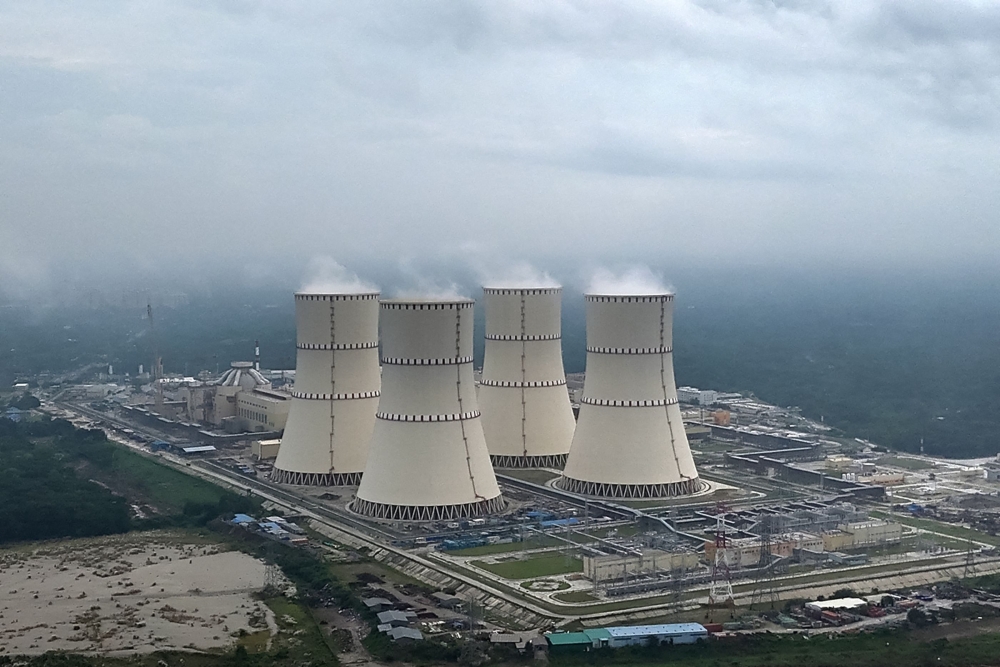
Rooppur is Bangladesh’s first nuclear power plant. It is a major national project intended to provide dependable electricity and reduce pressure from chronic power shortages. The complex is located near the village of Rooppur in Pabna, beside the Padma River, about 150 kilometres west of Dhaka. The plant has two reactors. Russian state nuclear corporation Rosatom is building it, while Bangladesh’s state-owned Nuclear Power Plant Company manages the project. Construction began in 2017 after Bangladesh and Moscow signed an agreement in 2015. The site has reshaped the nearby village, bringing Russian workers, businesses, restaurants and new jobs. The first reactor is scheduled to start by the end of this year. The second is expected to become operational within a year after that. If both units perform as planned, Rooppur could supply a significant share of Bangladesh’s electricity while creating new technical and economic opportunities.
Based on reporting by Malay Mail Malaysia
What is the Rooppur nuclear power plant, and where is it located?
Rooppur is Bangladesh’s first nuclear power plant. It is a major national project intended to provide dependable electricity and reduce pressure from chronic power shortages. The complex is located near the village of Rooppur in Pabna, beside the Padma River, about 150 kilometres west of Dhaka.
The plant has two reactors. Russian state nuclear corporation Rosatom is building it, while Bangladesh’s state-owned Nuclear Power Plant Company manages the project. Construction began in 2017 after Bangladesh and Moscow signed an agreement in 2015. The site has reshaped the nearby village, bringing Russian workers, businesses, restaurants and new jobs.
The first reactor is scheduled to start by the end of this year. The second is expected to become operational within a year after that. If both units perform as planned, Rooppur could supply a significant share of Bangladesh’s electricity while creating new technical and economic opportunities.
How large is the plant, and how much of Bangladesh’s electricity demand is it expected to supply?
Rooppur is a 2.4-gigawatt nuclear power plant. That figure describes the combined generating capacity of its two reactors. Its size matters because Bangladesh has about 170 million people and has suffered from chronic electricity shortages and fuel-related pressure.
When both reactors operate, officials expect them to supply more than 10 per cent of Bangladesh’s electricity demand. This would make Rooppur one of the country’s largest individual sources of power. The plant is especially important because Bangladesh’s electricity sector currently depends heavily on fossil fuels, particularly natural gas, with coal, oil and renewables supplying the rest.
The full contribution will come only after both units are operating. The first reactor is scheduled to start by the end of this year, while the second is expected within a year. Delays, fuel availability and grid performance will affect the plant’s practical impact.
What could happen to Bangladesh’s electricity supply when Rooppur’s two reactors begin operating?
When Rooppur’s two reactors begin operating, Bangladesh could gain a major new source of steady electricity. Together, they are expected to supply more than 10 per cent of national demand. This matters because frequent power cuts disrupt homes, farms and businesses, while the country remains heavily dependent on fossil fuels.
The clearest example is farmer Belly Begum, who struggles to irrigate her land during outages. She hopes the plant will help provide electricity for 24 hours without interruption. Nuclear reactors are designed to generate power continuously, rather than only when sunlight or wind is available. Their output could therefore strengthen the national grid.
The benefit will depend on successful operation, transmission and distribution. The first reactor is scheduled for the end of this year, and the second within a year. Rooppur may reduce shortages, but the article does not promise that every household will immediately receive uninterrupted electricity.
Why are some people living near the plant worried about its safety?
Some people near Rooppur worry because nuclear accidents, though uncommon, can have serious consequences. The plant is in a densely populated area, so residents fear that an emergency could affect many families. Their concerns also reflect uncertainty after years of construction and testing.
Md Yunus Ali, an 80-year-old retired paper mill worker, lives about a 15-minute walk from the plant. He said opposition to the facility goes back decades. A recent compressor test produced a loud bang that woke sleeping children. Ali said he was not worried about his own life, but wanted safety for his children and grandchildren.
Plant officials say stringent safety measures are in place and that lessons from earlier nuclear accidents were included in the design. Still, confidence is not universal. The plant’s future acceptance will depend on clear safety information, effective monitoring and residents seeing that emergency protections work in practice.
Why has Bangladesh’s plan to build a nuclear power plant taken decades to become reality?
Bangladesh’s nuclear ambition has lasted for decades because turning the plan into a financed, negotiated and buildable project proved difficult. The idea dates to the 1960s. After independence, Bangladesh approached Saudi Arabia and France and held talks with China and South Korea, but none produced a deal.
A breakthrough came in 2015, when Bangladesh signed an agreement with Moscow. Russia offered a loan covering about 90 per cent of the project’s original cost. Construction began in 2017, but the project encountered further obstacles. The Covid-19 pandemic disrupted work, while sanctions on Russia after its invasion of Ukraine complicated equipment deliveries and payments.
The plant is now nearing operation, but it has taken more than a decade of modern project development. Corruption allegations involving former prime minister Sheikh Hasina and family members also added controversy; they rejected the accusations. The first reactor is scheduled to start by year-end, with the second expected within a year.
What role have Russia and its state nuclear company Rosatom played in financing and building the plant?
Russia has played a central role in making Rooppur possible. Bangladesh signed an agreement with Moscow in 2015 after earlier attempts to secure a nuclear project had failed. Russia offered financing through a state loan covering about 90 per cent of the project’s original cost. This helped Bangladesh move from long-standing ambition to construction.
Russian state nuclear corporation Rosatom is building the plant. Thousands of Russian workers have spent years installing equipment and constructing the complex. Their presence created a Russian enclave near the site, including housing, shops and restaurants. Some signs appear in Russian, English and Bangla, and local workers have learned bits of Russian.
Russia’s role has also created complications. Sanctions imposed after Russia’s invasion of Ukraine disrupted equipment deliveries and payments. Despite those difficulties, construction began in 2017 and the first reactor is scheduled to start by the end of this year. The second unit is expected to follow within a year.
How does nuclear fission generate electricity, and why can it produce power without burning fossil fuels?
The article does not explain how nuclear fission works. In general, fission splits the nuclei of heavy atoms, usually uranium, inside a reactor. Each split releases heat and additional neutrons, allowing a controlled chain reaction to continue. The heat is then used to produce electricity.
A reactor transfers this heat to water or another coolant. The heat creates steam, directly or through a separate water loop. The steam spins a turbine connected to a generator. The generator converts that motion into electrical power. Control systems regulate the chain reaction, while cooling systems remove heat safely.
Fission differs from fossil-fuel generation because it does not burn coal, oil or natural gas. It therefore produces electricity without combustion at the reactor and avoids direct carbon dioxide emissions during operation. However, nuclear plants still require careful management of radiation, spent fuel and other safety risks, issues the article discusses only in general terms.
Key Facts:
📌 - Rooppur is Bangladesh’s first nuclear power plant.
📌 - It stands beside the Padma River in Pabna district.
📌 - The site is about 150 kilometres west of Dhaka.
📌 - Rooppur’s two reactors have a combined capacity of 2.4 gigawatts.
📌 - The plant is expected to supply over 10 per cent of demand.
📌 - Bangladesh’s power sector relies heavily on natural gas.
📌 - Both reactors could provide over 10 per cent of national electricity demand.