News · Defence & Security
Malian army retakes strategic city of Kidal after Tuareg separatists withdraw
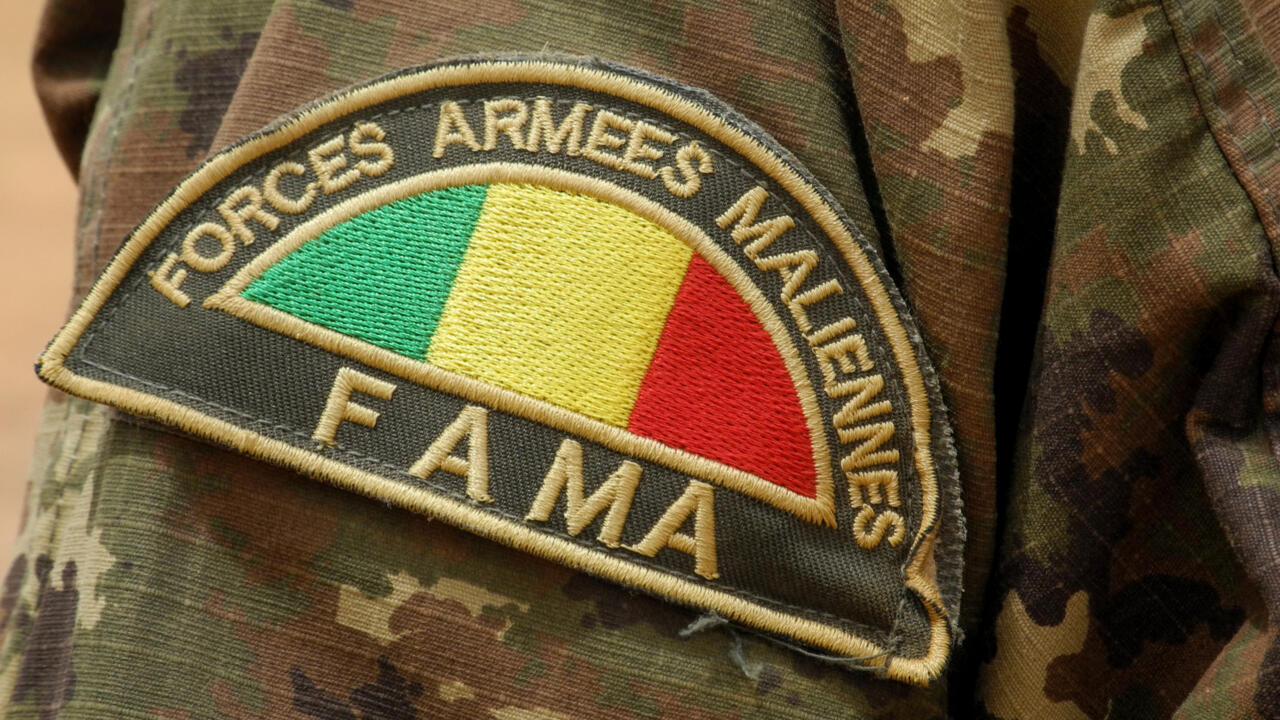
Malian soldiers, Russian Africa Corps troops, and Tuareg fighters integrated into Mali’s army entered Kidal after traveling in about 120 vehicles. The convoy left Anéfis on Tuesday morning and reached the city before 1pm. Officers said they met no resistance. The main reason was the separatist withdrawal. The Azawad Liberation Front said it had pulled out to protect lives and preserve its fighters and supplies. It blamed what it called disproportionate air attacks by Malian and Russian forces. That departure removed the force that could have contested the army’s entry. The operation followed days of preparations and air strikes near Kidal. Mali said its campaign targeted terrorist groups and safe havens. However, the FLA accused the army and Russian forces of striking civilian sites. The army now controls the city, but its security remains uncertain because the city is nearly empty and fighting continues elsewhere.
Based on reporting by RFI English
What exactly happened when Malian and Russian-linked forces entered Kidal, and why was there no battle?
Malian soldiers, Russian Africa Corps troops, and Tuareg fighters integrated into Mali’s army entered Kidal after traveling in about 120 vehicles. The convoy left Anéfis on Tuesday morning and reached the city before 1pm. Officers said they met no resistance.
The main reason was the separatist withdrawal. The Azawad Liberation Front said it had pulled out to protect lives and preserve its fighters and supplies. It blamed what it called disproportionate air attacks by Malian and Russian forces. That departure removed the force that could have contested the army’s entry.
The operation followed days of preparations and air strikes near Kidal. Mali said its campaign targeted terrorist groups and safe havens. However, the FLA accused the army and Russian forces of striking civilian sites. The army now controls the city, but its security remains uncertain because the city is nearly empty and fighting continues elsewhere.
How many civilians were still living in Kidal after the successive rounds of fighting and displacement?
The best available estimate was fewer than 100 civilians. A man who left Kidal with six relatives told AFP that there had not been “even a hundred civilians left” for some time. This was a resident’s account, not an independently verified population count.
Kidal’s small remaining population reflects repeated waves of conflict. Many residents fled in 2023 as Malian troops and Wagner Group fighters advanced. Many government supporters left after the army was forced out again in April. Further air strikes around the city increased the pressure to leave.
This near-empty population changes what retaking Kidal means. The government can claim a major military and political gain, but there are few residents to protect or govern immediately. Rebuilding services and encouraging people to return would require security. If fighting continues, Kidal may remain a strategic military position rather than a functioning city.
What is the Azawad Liberation Front, and what do Tuareg separatists want?
The Azawad Liberation Front, or FLA, is the separatist organization named in the article. It represents Tuareg armed groups opposing Bamako’s authority in northern Mali. The article does not give a formal manifesto, but “separatist” generally means seeking self-rule, broad autonomy, or independence for a distinct region. Here, that region is commonly called Azawad.
Tuareg separatists want northern communities to control more of their political, security, and local affairs. Their struggle reflects long-standing opposition to distant central rule. The FLA’s withdrawal shows how that goal can shape battlefield decisions. It called the move strategic and controlled, citing air strikes and the need to protect fighters and supplies.
The withdrawal was temporary in the group’s description. It therefore did not resolve the political dispute. Mali may hold Kidal physically, but separatists can preserve their networks and return to fighting or negotiations. The article also shows that jihadist groups complicate the conflict rather than making it a simple government-versus-separatist struggle.
Why is Kidal strategically and politically important to Mali’s government and to the Tuareg groups?
Kidal matters because central governments have struggled to control it. The city lies in northern Mali, far from Bamako, and has often remained largely beyond the government’s effective reach. Control there signals whether Mali’s authorities can project military power across the country’s vast northern territory.
Its symbolism is especially important. Mali retook Kidal from separatists in 2023, but government forces were driven out again in late April. That defeat followed a coordinated offensive involving Tuareg separatists and Al Qaeda-linked JNIM fighters. Retaking the city without a battle now gives the transitional authorities a visible political and military victory.
For Tuareg groups, Kidal is a major center of influence and a stronghold linked to their demand for self-rule. Holding or contesting it demonstrates that Bamako cannot easily decide the region’s future alone. Yet the city is largely deserted. Military possession may therefore strengthen Mali’s claim, while failing to produce lasting authority unless civilians return and violence declines.
How did Kidal change hands between the Malian government, separatists and jihadist groups from 2012 to the present?
Since Mali’s conflict began in 2012, Kidal has been part of a wider struggle involving jihadists, Tuareg separatists, and government forces. Central authority remained weak in the north for years. That allowed armed groups to operate and made control of Kidal unstable.
Malian forces retook the city from separatists in 2023, advancing with fighters from Russia’s Wagner Group. The position did not last. In late April, Tuareg separatists and Al Qaeda-linked JNIM launched a coordinated offensive, driving government forces out. The campaign was a major setback for Mali’s military authorities and included attacks that killed the defence minister.
The latest change occurred after several days of Malian and Russian-linked preparations and air strikes. The FLA withdrew, saying it needed to save lives and preserve its capabilities. The army then entered without resistance. This is a change in control, not a settled peace, because separatist forces remain relevant and jihadist violence continues elsewhere.
What could happen because the army has retaken Kidal, especially if the city remains largely empty and fighting continues elsewhere?
Retaking Kidal could strengthen Mali’s transitional authorities. It reverses the army’s recent defeat and demonstrates that government forces, supported by Russian personnel, can return to a city once beyond their control. That may boost military confidence and the government’s claim to national sovereignty.
The immediate reality is less dramatic. Kidal is largely deserted, with one resident saying fewer than 100 civilians remained. The army can occupy buildings and positions, but lasting control requires residents, services, administration, and safe movement. Air strikes and accusations of civilian harm could also deepen local hostility and drive more people away.
Fighting elsewhere makes the victory fragile. JNIM remains active, while Tuareg groups retain human and logistical capabilities after their withdrawal. Recent attacks killed at least 100 soldiers at Dioura and at least 50 near Anéfis. Unless violence falls and civilians return, Kidal may remain a costly outpost rather than a stable political gain.
What is a separatist movement, and why is it difficult for a central government to establish lasting control over a remote region?
A separatist movement is an organized effort by a region or community to leave a country or gain substantial self-government. In Mali, Tuareg separatists challenge authority from Bamako in the north. Their demands are tied to local identity, political power, security, and control over regional affairs. Not every Tuareg person necessarily supports separatism.
Central control is difficult when a region is huge, remote, and far from the capital. Roads and public services may be limited, while the government may lack trusted local institutions. Armed groups can use deserts and border areas for movement and concealment. In Kidal, repeated fighting and displacement further weakened normal administration.
Military occupation alone rarely creates lasting control. A government must also protect civilians, provide services, build local legitimacy, and reduce armed opposition. Mali’s latest entry shows the challenge. The army reached Kidal, but the city was nearly empty, and separatists preserved their capabilities by withdrawing. Continued jihadist attacks could undermine the government’s gains.
Key Facts:
📌 About 120 vehicles carried Malian, Russian-linked, and integrated Tuareg forces.
📌 The FLA withdrew before the convoy arrived.
📌 Mali entered Kidal without resistance shortly before 1pm.
📌 A resident said fewer than 100 civilians remained.
📌 Kidal was repeatedly emptied by fighting and displacement.
📌 The population estimate was not independently verified.
📌 The FLA is a Tuareg separatist organization.