News · Economy & Business
A time of great anxiety and concern, but we will emerge stronger says Giorgetti
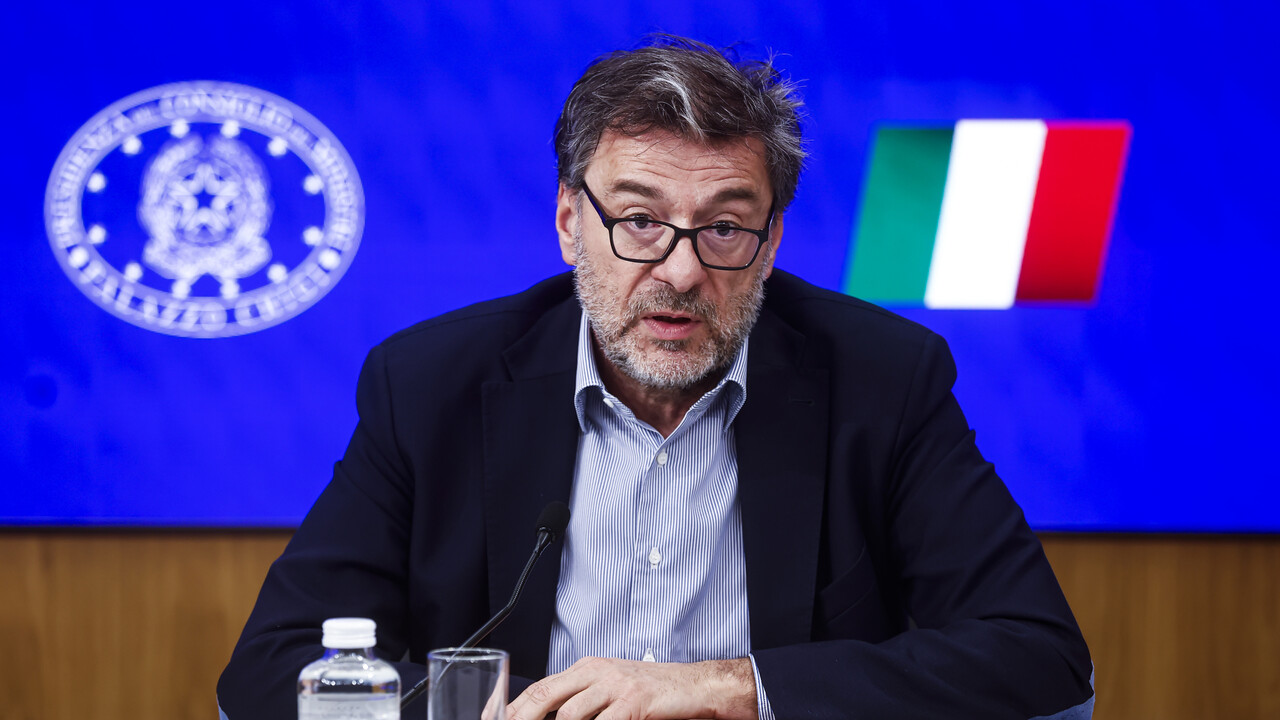
Giancarlo Giorgetti described Italy as being in a period of “great anxiety and concern.” His message was both realistic and hopeful: the economic situation is difficult, but Italy’s institutions and economy can become stronger after the crisis. This matters because public confidence can influence households, companies, and investors during uncertainty. Giorgetti also defended Italy’s request for greater fiscal leeway from the European Union. He said Italy had shown that it follows European budget rules rigorously, even claiming it has been more disciplined than some other countries. That record, he argued, gives Italy grounds to discuss changing how the rules fit today’s conditions. He did not reject the European budget framework. Instead, he said inflation and other current pressures must be considered when applying it. Italy therefore wants negotiations with other countries and EU institutions, while continuing to present itself as financially responsible. His outlook was cautious but confident: the country must “give it our all” and work through the difficult phase.
Based on reporting by ANSA English
What did Italy's Economy Minister Giancarlo Giorgetti say about the country's economic situation and its prospects?
Giancarlo Giorgetti described Italy as being in a period of “great anxiety and concern.” His message was both realistic and hopeful: the economic situation is difficult, but Italy’s institutions and economy can become stronger after the crisis. This matters because public confidence can influence households, companies, and investors during uncertainty.
Giorgetti also defended Italy’s request for greater fiscal leeway from the European Union. He said Italy had shown that it follows European budget rules rigorously, even claiming it has been more disciplined than some other countries. That record, he argued, gives Italy grounds to discuss changing how the rules fit today’s conditions.
He did not reject the European budget framework. Instead, he said inflation and other current pressures must be considered when applying it. Italy therefore wants negotiations with other countries and EU institutions, while continuing to present itself as financially responsible. His outlook was cautious but confident: the country must “give it our all” and work through the difficult phase.
What is fiscal leeway, and why is Italy asking the European Union for more of it?
Fiscal leeway is the practical room a government has to support the economy through spending, tax changes, or borrowing while remaining within fiscal rules. More leeway can help a country protect households, businesses, and public services during a shock. Less room can force faster cuts or tax increases, even when the economy is weak.
Italy is asking the EU to account for a surge in inflation and other factors shaping current reality. Higher prices can raise government costs, including wages, energy, pensions, and public contracts. Giorgetti said Italy has demonstrated fiscal discipline in recent years and has been rigorous in following European budgetary rules. That is Italy’s main argument for flexibility.
The request does not mean Italy wants to abandon the overall framework. Giorgetti explicitly said the framework should remain, but its application should reflect present conditions. Any extra room would therefore depend on agreement with European partners and institutions, rather than being granted unilaterally.
How large is Italy's public debt compared with the size of its economy and the EU's usual debt limit?
Public debt is usually compared with gross domestic product, or GDP, the value of goods and services produced in a year. On that measure, Italy’s debt has recently been around 135–140% of GDP. The European Union’s Treaty reference value is 60% of GDP. Italy’s ratio is therefore more than twice the usual limit.
This comparison does not mean Italy must immediately reduce its debt to 60%. The 60% figure is a reference value within the EU’s fiscal framework, and the rules also consider deficits, economic conditions, debt trends, and adjustment plans. A country with high debt generally faces greater interest costs and less room to respond to emergencies.
The article itself does not state Italy’s debt ratio or the 60% limit. These figures come from established EU fiscal rules and recent statistical reporting, where the exact ratio changes each year. Giorgetti’s argument concerns how those rules should reflect current reality while Italy remains committed to fiscal discipline.
What happens to households, businesses, and government budgets when inflation rises sharply?
When prices rise sharply, households lose purchasing power. Their wages may buy fewer groceries, energy units, or services, especially when incomes adjust slowly. Families may cut spending, postpone purchases, or borrow more. People on fixed incomes, including some pensioners, can be especially exposed.
Businesses face higher costs for energy, transport, materials, wages, and loans. They may raise prices, reduce production, delay investment, or hire fewer workers. Government budgets are affected too. Public agencies must pay more for goods, construction, wages, pensions, and interest. Inflation can increase tax receipts in some areas, but those gains may not cover rising spending.
These pressures explain why Giorgetti said today’s reality should influence EU budget rules. Inflation does not automatically make fiscal policy sustainable: higher interest rates can make debt more expensive, and temporary price increases do not solve structural deficits. Governments must support vulnerable groups while protecting long-term financial stability.
Why does Italy need to negotiate with the European Union before changing how much it spends or borrows?
Countries using the euro share a currency and a central monetary policy, but national governments still control most taxation and spending. One country’s borrowing can affect bond markets, banks, investor confidence, and the perceived stability of the whole euro area. Shared fiscal rules are designed to limit these spillovers and support confidence in the currency.
Italy can propose a different interpretation, a temporary adjustment, or a reform of the rules, but it cannot change common obligations alone. The European Commission assesses national budgets and compliance. EU governments, meeting in the Council, agree recommendations and decisions under the relevant procedures. New legislation may also require agreement with the European Parliament.
That is why Giorgetti said Italy should raise the issue “in concert with other countries.” He said Italy was not questioning the overall framework. Instead, Italy wants the EU to consider inflation and other current conditions before deciding how much flexibility national budgets should receive.
Which European institutions create, monitor, and enforce the budgetary rules that Italy says should be adapted?
The European Union’s fiscal framework rests on treaties and legislation agreed by member states and, for much of the legislation, the European Parliament. The European Commission is the main watchdog. It examines national budgets, debt, deficits, and economic plans, then reports whether countries appear to follow the rules.
The Council of the European Union, representing national governments, adopts recommendations and formal decisions in the procedures used by the framework. In some cases, it can approve corrective steps or impose sanctions under the rules. The Commission prepares much of the technical assessment, but enforcement decisions follow the treaty-based process rather than belonging to the Commission alone.
The European Central Bank manages monetary policy and interest rates, not national fiscal compliance. This division matters for Italy’s request. Giorgetti is seeking changes through the EU’s shared institutions and other countries, while saying the overall framework should remain. The article does not name these institutions; this explanation uses the established EU budget process.
Why do countries that share the euro need common limits on government deficits and debt?
Countries sharing the euro cannot use their own national currency or interest-rate policy to respond alone to a crisis. A government that borrows excessively may face rising interest costs, banking stress, or a loss of investor confidence. Those problems can spread through banks, trade, and financial markets to other euro members.
Common deficit and debt limits create a basic guardrail. They encourage governments to keep finances sustainable in normal times, so they have more capacity during emergencies. They also reduce the risk that one country expects other members or European institutions to absorb the costs of its borrowing. The rules are not meant to make every economy identical; they set shared reference points.
The article reflects this balance. Giorgetti said Italy is not questioning the overall framework, but argued that inflation and other current factors should shape how it is applied. Common limits therefore provide stability, while negotiated flexibility can allow governments to respond to unusual conditions without abandoning fiscal responsibility.
Key Facts:
📌 Giorgetti called Italy’s economic phase anxious and difficult.
📌 He predicted that Italy would emerge stronger.
📌 He defended greater fiscal flexibility within, not outside, EU rules.
📌 Fiscal leeway is room to adjust spending, taxes, or borrowing.
📌 Italy links its request to surging inflation.
📌 Giorgetti said Italy is not rejecting the overall framework.
📌 Italy’s debt is roughly 135–140% of GDP in recent data.