News · Science & Technology
Moving beyond chips and screens: Samsung joins Nvidia and KKR in a massive $1 billion data center infrastructure deal
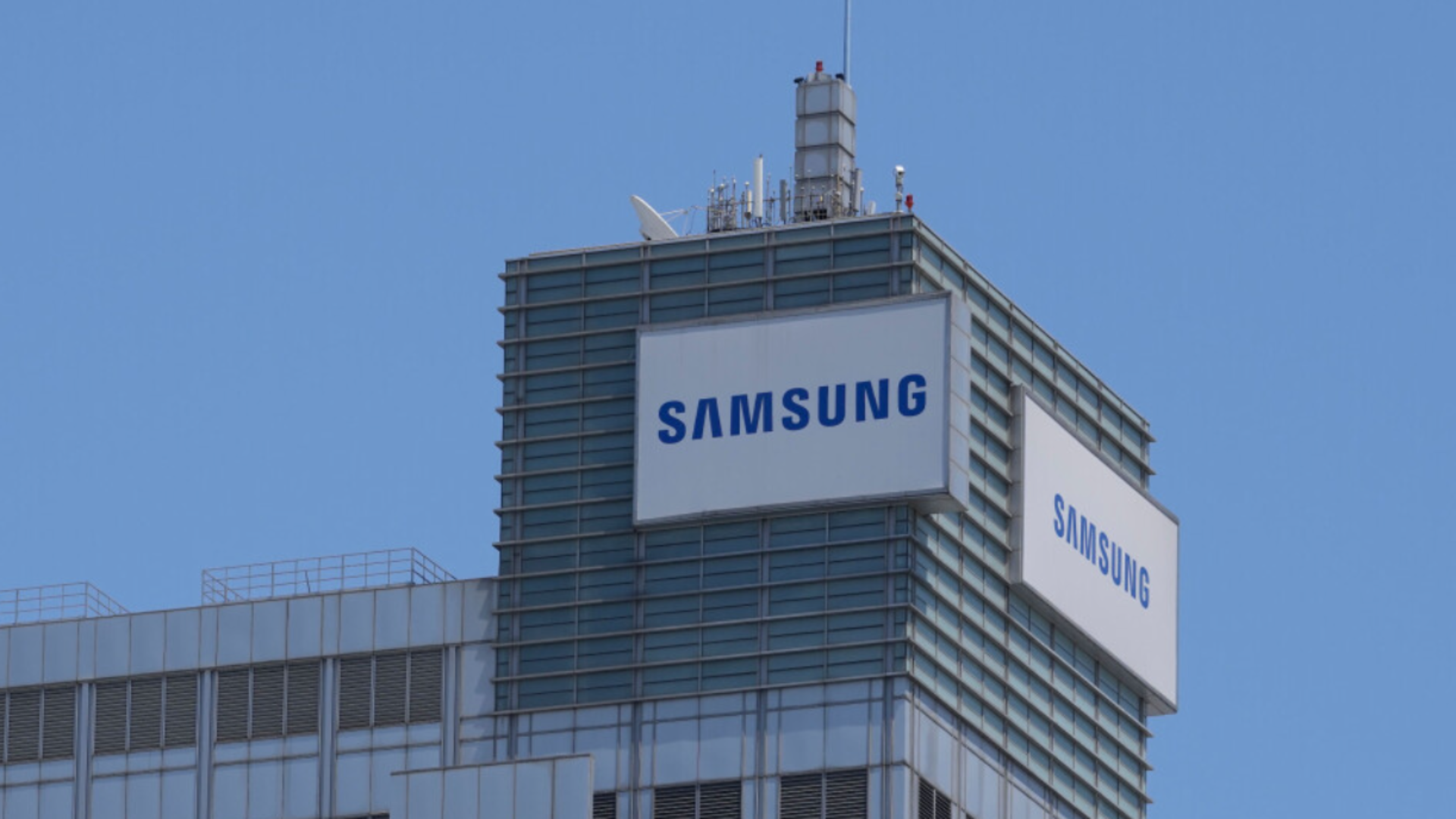
Samsung and five affiliated businesses are investing $1 billion in Helix Digital Infrastructure. Samsung Electronics will provide $500 million, while the other affiliates provide the remaining amount. The deal matters because it places Samsung closer to the physical infrastructure supporting artificial intelligence. The investment combines several capabilities under one corporate strategy. Samsung can contribute memory products, cooling systems, construction, rented GPU computing, batteries, and infrastructure-related expertise. These resources are normally purchased from many separate companies. Helix was founded by KKR in June 2026. Its investors also include Nvidia, Kuwait Investment Authority, and Vistra. Helix plans to develop data centers while securing the electricity and network connections they require. Samsung therefore gains exposure to the wider infrastructure market, not only to chips and other hardware.
Based on reporting by TechRadar
What is Samsung investing in, and how much money is it committing to Helix Digital Infrastructure?
Samsung and five affiliated businesses are investing $1 billion in Helix Digital Infrastructure. Samsung Electronics will provide $500 million, while the other affiliates provide the remaining amount. The deal matters because it places Samsung closer to the physical infrastructure supporting artificial intelligence.
The investment combines several capabilities under one corporate strategy. Samsung can contribute memory products, cooling systems, construction, rented GPU computing, batteries, and infrastructure-related expertise. These resources are normally purchased from many separate companies.
Helix was founded by KKR in June 2026. Its investors also include Nvidia, Kuwait Investment Authority, and Vistra. Helix plans to develop data centers while securing the electricity and network connections they require. Samsung therefore gains exposure to the wider infrastructure market, not only to chips and other hardware.
What is Helix Digital Infrastructure, and what does it plan to build and secure?
Helix Digital Infrastructure is an infrastructure venture established by KKR in June 2026. Its purpose is to develop data centers for artificial-intelligence workloads. It also aims to secure electricity and network connections, rather than treating those needs as issues to solve later.
This model addresses a basic bottleneck in data-center construction. A facility needs a suitable site, enough available power, and reliable links to networks before servers can operate effectively. Helix’s founding investors include Nvidia, Kuwait Investment Authority, and Vistra, bringing technology, financial, and energy perspectives.
The article presents Helix as a way to connect capital with scarce infrastructure capacity. Samsung’s investment adds access to memory, cooling, construction, computing services, and batteries. If Helix secures these inputs early, it may help new AI facilities move from plans to operation more efficiently. The article does not provide a specific construction schedule or target capacity.
How large is the overall investment, and what major parts of a data center could Samsung’s affiliates contribute?
The Helix investment totals $1 billion. Samsung Electronics contributes $500 million, and five other Samsung affiliates supply the remaining $500 million through the venture. That scale gives Samsung a financial stake in building AI facilities, not merely selling components to them.
The group’s possible contribution covers much of a data center’s physical and technical stack. Samsung Electronics can provide memory. FläktGroup can provide cooling. Samsung C&T can manage engineering and construction. Samsung SDS can develop facilities and offer rented GPU computing capacity. Samsung SDI can supply batteries for uninterrupted power systems.
This breadth matters because data centers depend on coordinated systems. Servers need memory and computing capacity, while dense equipment creates heat and requires cooling. Buildings need engineering, power protection, and network connections. The article says Samsung can draw on affiliated businesses for these functions, although it does not say every project will use all of them.
Which Samsung businesses are involved, and what roles do semiconductors, cooling systems, construction, computing services, and batteries play in a data center?
Samsung’s participation reaches across several businesses. Samsung Electronics contributes memory technology. FläktGroup, a Samsung subsidiary, supplies data-center cooling systems. Samsung C&T handles major engineering and construction projects. Samsung SDS develops data centers and provides rented GPU computing capacity. Samsung SDI supplies batteries.
Each role supports a different operating requirement. Memory helps AI servers store and access data quickly. Cooling removes heat produced by dense computing equipment. Construction turns designs into working facilities. GPU services provide the processors needed for AI workloads. Batteries support uninterrupted power systems when the main electricity supply fails or fluctuates.
The result is an unusually broad corporate toolkit. Samsung can combine components, buildings, computing services, cooling, and power protection within its affiliated group. The article does not state that one affiliate will perform every role at every Helix site. It does show how Samsung could reduce reliance on unrelated suppliers while expanding its infrastructure role.
Why is securing electricity and network connections important for how quickly new AI data centers can open?
AI data centers cannot operate without large, dependable electricity supplies and network connections. Power runs servers, cooling equipment, storage, and other systems. Networks connect the facility to users, cloud services, data sources, and other computing locations. If either resource is unavailable, a completed building may still be unusable.
The key mechanism is infrastructure readiness. Helix plans to obtain power capacity and network connections while developing facilities. This can address bottlenecks before construction is finished. Samsung SDI’s batteries can also support uninterrupted power systems, helping servers continue operating during supply interruptions.
The article says electricity availability limits how quickly data centers open. That makes securing power part of the development model, not a final administrative step. Helix’s approach could improve the timing of future AI campuses, but the article does not promise a specific speed or guarantee that every project will avoid delays.
How does Samsung’s broad combination of businesses differ from the capabilities offered by rivals such as Huawei, SoftBank, Nokia, and Ericsson?
Samsung’s difference is organizational breadth. Its affiliated businesses can contribute capital, memory, cooling, construction, GPU computing, batteries, and infrastructure financing. That lets one corporate group address many parts of an AI data center instead of relying on separate suppliers for each function.
Huawei is the closest technological comparison. It spans Ascend processors, storage, networking, security, cooling, and electricity infrastructure, but the article says it may lack a comparable $1 billion infrastructure commitment. SoftBank has semiconductor interests through Arm, Ampere Computing, and Graphcore, plus plans for an AI facility in Ohio.
Nokia’s role is more concentrated in networking products for AI facilities. Ericsson’s work with SoftBank focuses on AI applications for cellular networks, not complete computing campuses. Samsung therefore combines broader affiliated capabilities than these rivals, although Huawei has significant technical reach and SoftBank has growing infrastructure ambitions.
Why do artificial-intelligence systems require enormous data centers, and why do those facilities need continuous supplies of electricity, cooling, networking, and computing hardware?
AI systems process huge datasets and perform vast numbers of calculations. Training a model distributes work across many GPUs and other accelerators. Serving models to users also requires substantial computing capacity, especially when many requests arrive together. These workloads drive the need for large data centers rather than ordinary server rooms.
The hardware must work as a coordinated system. Memory supplies data to processors, while high-speed networks move information among machines and to outside users. Every active processor consumes electricity and produces heat, so cooling systems must remove that heat continuously. Batteries and other power systems help protect operations during interruptions.
The source article emphasizes these infrastructure needs, while this workload explanation reflects established computing practice. Its broader point is that AI infrastructure includes much more than processors. Samsung’s investment connects memory, cooling, construction, GPU services, batteries, electricity capacity, and networking to the expanding demand for AI computing.
Key Facts:
📌 Samsung and five affiliates are investing $1 billion in Helix.
📌 Samsung Electronics is providing $500 million.
📌 The deal expands Samsung’s role in AI infrastructure.
📌 KKR established Helix Digital Infrastructure in June 2026.
📌 Helix plans to develop data centers.
📌 It will secure electricity capacity and network connections.
📌 The combined investment totals $1 billion.