News · Health & Medicine
Trump's $90 Medicare rebate rolls out, but millions aren't eligible. Critics see a political stunt
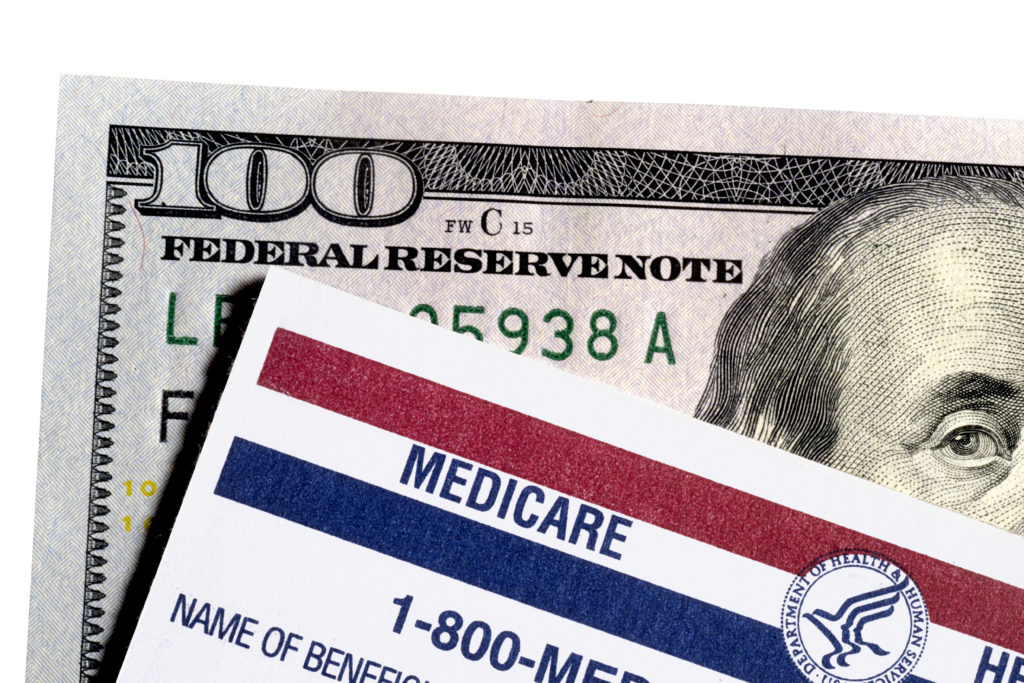
The $90 Medicare rebate is a one-time payment intended to help certain beneficiaries pay their Part B premiums. The administration expects to send payments this month. The plan matters because Medicare enrollment is broad, but eligibility is limited to a specific group. Eligible recipients must have Original Medicare Part B, live in the United States, and not receive premium assistance through Medicaid. They also cannot be paying an income-related monthly adjustment amount. Medicare Advantage members do not qualify, even though they are Medicare beneficiaries. About 20.8 million people are expected to receive the rebate. Payments should happen automatically, so eligible people do not need to apply. The administration says the money comes from the Medicare Improvement Fund, and the total cost will be about $2 billion.
Based on reporting by PBS NewsHour
What is the $90 Medicare rebate, and who is supposed to receive it?
The $90 Medicare rebate is a one-time payment intended to help certain beneficiaries pay their Part B premiums. The administration expects to send payments this month. The plan matters because Medicare enrollment is broad, but eligibility is limited to a specific group.
Eligible recipients must have Original Medicare Part B, live in the United States, and not receive premium assistance through Medicaid. They also cannot be paying an income-related monthly adjustment amount. Medicare Advantage members do not qualify, even though they are Medicare beneficiaries.
About 20.8 million people are expected to receive the rebate. Payments should happen automatically, so eligible people do not need to apply. The administration says the money comes from the Medicare Improvement Fund, and the total cost will be about $2 billion.
How many people are eligible for the payment, and how many Medicare beneficiaries are left out?
The payment is available to about 20.8 million people, while Medicare has approximately 64.2 million beneficiaries overall. Subtracting those figures leaves about 43.4 million beneficiaries outside the rebate program. That means fewer than one-third of all Medicare recipients qualify.
The excluded population includes roughly 35 million people enrolled in Medicare Advantage. It also includes about 12 million low-income older adults and people with disabilities who receive premium assistance. Those categories can overlap, so their figures should not simply be added together.
The scale is important because the rebate may sound universal, but it is not. Most Medicare beneficiaries will receive no payment. The article identifies eligibility rules, rather than describing any planned expansion, so the current numbers define who benefits from this month’s distribution.
How and when will eligible people receive the rebate?
The rebate is designed to arrive automatically, which means eligible beneficiaries do not need to call, apply, or complete a form. The Centers for Medicare & Medicaid Services says one payment of $90 will be sent during October. Most recipients should see it around Friday.
The delivery method depends on how a person normally receives federal payments. People set up for direct deposit should receive the money electronically. Others will get a paper check from the Treasury Department later in October. The payment is separate from ordinary monthly Medicare transactions.
Beneficiaries can call 1-800-MEDICARE to ask whether they qualify. For payment-status questions, the article directs people to the Social Security Administration at 1-800-772-1213. Automatic delivery simplifies access, but it does not change the program’s narrow eligibility rules.
Why are Medicare Advantage enrollees and people receiving Medicaid premium assistance excluded?
The rebate’s eligibility rule is tied specifically to Original Medicare Part B. Medicare Advantage is a different way to receive Medicare-covered benefits, usually through a private plan, so its enrollees are outside this Part B payment. The article says more than half of Medicare beneficiaries are ineligible for that reason or others.
Low-income beneficiaries receiving Medicaid premium assistance are also excluded. In their case, Medicaid is already helping pay Medicare premiums. The program likewise excludes people charged an income-related monthly adjustment amount. These rules define the target group rather than providing a universal Medicare benefit.
The article does not describe a detailed legislative reason for every exclusion. It does show the practical result: about 35 million Medicare Advantage enrollees and 12 million people receiving premium assistance will not receive the $90 payment. Eligibility depends on coverage and payment status.
What expenses does Medicare Part B cover, and how much do its premiums usually cost?
Medicare Part B helps pay for important outpatient medical services. The article specifically names doctor’s visits, ambulance services, and laboratory tests. These costs can be recurring and difficult to manage, which is why even a one-time rebate may matter to some beneficiaries.
The article says total monthly costs generally begin at about $200. The exact amount varies with income, because some beneficiaries pay an income-related monthly adjustment amount. The $90 rebate therefore covers only part of a typical month’s stated costs, rather than eliminating the premium burden.
Part B is part of Original Medicare’s fee-for-service structure. The rebate is aimed at people paying those Part B costs directly, while people receiving Medicaid premium assistance or using Medicare Advantage are excluded. The payment offers short-term help, but it does not change Part B’s underlying pricing.
What happens to Medicare recipients when food, energy, gas, and health-care costs rise at the same time?
Simultaneous price increases make fixed or limited household budgets stretch across more essential needs. A Medicare recipient may have to pay for food, heat, transportation, and medical care from the same monthly income. The article says Americans were feeling higher food, energy, and gas prices when the rebates were distributed.
For example, a $90 payment could help offset part of a Part B bill that generally starts around $200 per month. But it is a single payment, not a permanent reduction in premiums, food prices, fuel costs, or medical expenses. Its immediate value depends on each household’s bills and income.
The timing gives the rebate political importance because the midterms are approaching and living costs are major voter concerns. Critics call the plan an election-year stunt. The article does not identify broader policy changes that would permanently address this combined cost pressure.
How is Medicare organized and funded, and what is the Medicare Improvement Fund designed to do?
Medicare is organized into different coverage arrangements. Original Medicare includes Part B, which pays for services such as doctor visits and lab tests. Medicare Advantage is another coverage route and serves more than half of the 64.2 million beneficiaries. The article focuses on these distinctions rather than explaining every Medicare part.
The $90 payments will come from the Medicare Improvement Fund. Congress created that fund in 2008 to improve Medicare’s fee-for-service program, including program management and oversight of contracts and contractors. Later legislative changes expanded its uses. Under this administration, it is being used to pay recipients directly for the first time.
The fund will provide about $2 billion for this rebate. The article does not give Medicare’s complete funding breakdown, such as all taxes and premiums supporting the broader program. It does show how an existing improvement fund can be redirected, raising debate over whether short-term payments address long-term health-care problems.
Key Facts:
📌 The rebate is a one-time payment of $90.
📌 About 20.8 million Original Medicare Part B beneficiaries qualify.
📌 Recipients do not need to sign up.
📌 About 20.8 million beneficiaries qualify.
📌 Approximately 43.4 million beneficiaries are left out.
📌 Medicare has about 64.2 million beneficiaries overall.
📌 Most payments are expected by direct deposit around Friday.