News · Science & Technology
Up to 30 per cent of cotton area under ‘illegal’ GM hybrids, finds study
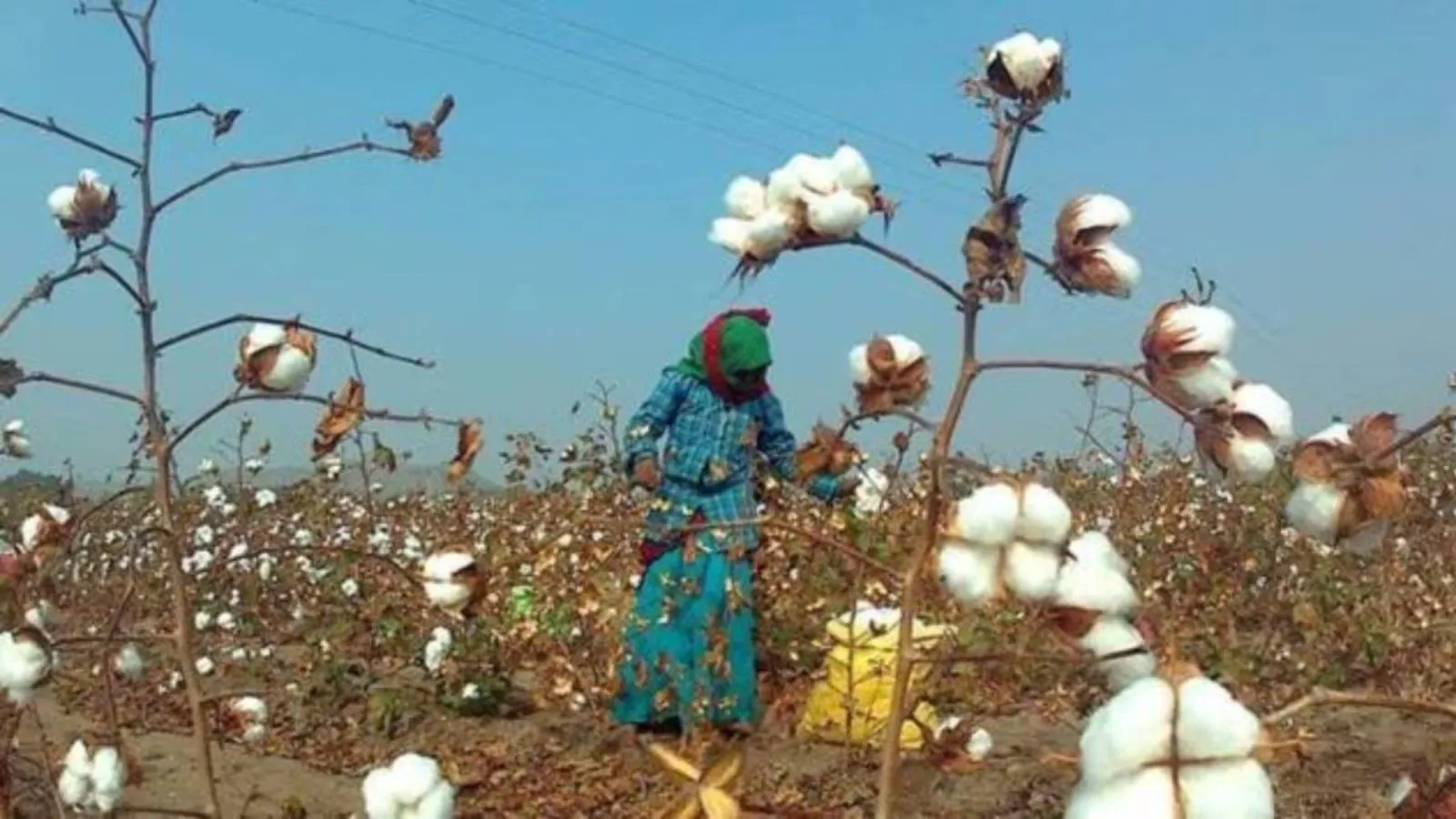
In India, a genetically modified cotton hybrid is considered illegal when it contains a GM trait that has not received government approval. The issue is not simply that the seed is genetically modified. It is that the particular gene or combination has bypassed India’s biosafety and regulatory process. India currently allows cotton carrying only cry1Ac and cry2Ab. These genes come from the soil bacterium Bacillus thuringiensis and produce proteins toxic to certain bollworm pests. The study found other genes in field samples, including cp4-epsps and Vip3A, neither of which is approved for cotton cultivation. The distinction matters because unauthorised seeds enter farming without the required assessment and oversight. The study detected cp4-epsps in 72.69% of 227 samples and Vip3A in 53.74%. It describes a growing market operating outside India’s established biosafety system, rather than a legally approved expansion of cotton technology.
Based on reporting by Indian Express
What makes a genetically modified cotton hybrid “illegal” in India?
In India, a genetically modified cotton hybrid is considered illegal when it contains a GM trait that has not received government approval. The issue is not simply that the seed is genetically modified. It is that the particular gene or combination has bypassed India’s biosafety and regulatory process.
India currently allows cotton carrying only cry1Ac and cry2Ab. These genes come from the soil bacterium Bacillus thuringiensis and produce proteins toxic to certain bollworm pests. The study found other genes in field samples, including cp4-epsps and Vip3A, neither of which is approved for cotton cultivation.
The distinction matters because unauthorised seeds enter farming without the required assessment and oversight. The study detected cp4-epsps in 72.69% of 227 samples and Vip3A in 53.74%. It describes a growing market operating outside India’s established biosafety system, rather than a legally approved expansion of cotton technology.
How much of India’s cotton-growing area and how many farmers are estimated to be using cotton hybrids with unauthorised GM traits?
The study estimates that 26.2–29 lakh hectares of India’s cotton area carried hybrids with unauthorised herbicide-tolerant or Bt traits in 2025–26. That equals roughly 24–30% of the country’s 114.8 lakh hectares planted with cotton. The scale suggests this is a major market, not an isolated experiment.
Researchers collected 227 geo-tagged seed or leaf samples from fields belonging to 984 farmers. These farmers were spread across 16 hotspot districts in Maharashtra, Telangana, Andhra Pradesh and Rajasthan. Testing used dipstick or lateral-flow assays and ELISA methods to identify genes.
However, the article does not provide a national estimate of how many farmers are using these hybrids. The defensible figure is therefore 984 farmers directly represented in the study, alongside the much broader land-area estimate. The findings indicate widespread adoption in selected hotspots, but not a precise all-India farmer total.
Which GM genes are approved for cotton in India, and how do the unauthorised cp4-epsps and Vip3A genes work differently?
India permits cotton hybrids containing two Bt-derived genes: cry1Ac and cry2Ab. They produce proteins that are toxic to certain bollworm insect pests. These approved traits protect plants from specified insects, but they do not make cotton tolerant to glyphosate, a broad-spectrum herbicide.
The unauthorised cp4-epsps gene comes from an agrobacterium. It makes cotton tolerate glyphosate, allowing farmers to spray the herbicide over the crop and kill weeds without killing the cotton. Vip3A comes from Bacillus thuringiensis, but it works differently from cry1Ac and cry2Ab. The study says it can control a broader spectrum of bollworm larvae.
The two unauthorised traits address different problems. cp4-epsps supports chemical weed management, while Vip3A offers another insect-control mechanism, especially against pink bollworm. Researchers found cp4-epsps in 72.69% and Vip3A in 53.74% of tested field samples.
Why are farmers turning to herbicide-tolerant cotton despite the government’s lack of approval?
Farmers are turning to herbicide-tolerant cotton mainly because controlling weeds by hand has become difficult and expensive. The article links demand to an acute labour shortage and rising manual-weeding costs. These pressures make a technology that simplifies weed control highly attractive, even without government approval.
The cp4-epsps gene is the key mechanism. It allows cotton to tolerate glyphosate, an herbicide that normally cannot be sprayed over cotton because it kills both weeds and the crop. With the trait, farmers can apply glyphosate across the field. The chemical removes competing weeds while the cotton survives.
The study says farmers typically apply two or three glyphosate sprays per season. This shift is visible beyond field tests: legal Bt seed sales fell from 596 lakh packets in 2022–23 to 463 lakh in 2025–26. Glyphosate imports also rose 29%, reaching 35,642 kilolitres in 2025–26.
How much cheaper and easier is spraying glyphosate compared with removing weeds manually in cotton fields?
The financial difference is dramatic. According to the study, farmers spend about Rs 750–850 per acre on two or three glyphosate sprays during a season. Manual weeding costs roughly Rs 12,000–15,000 per acre. Spraying therefore costs about Rs 11,150–14,250 less per acre.
The saving is not only financial. Manual weeding requires workers to enter fields and remove weeds repeatedly. Labour shortages make that work harder to arrange and more expensive. Herbicide-tolerant cotton changes the process: farmers can spray glyphosate across the field, while cp4-epsps allows the cotton crop to survive.
This large cost gap helps explain why unauthorised hybrids are spreading despite their lack of approval. The study found cp4-epsps in 72.69% of tested field samples. It also estimated the unauthorised HTBt seed market at 82–88 lakh packets in 2025–26, worth about Rs 820–880 crore.
What could happen if unapproved GM cotton and the associated use of glyphosate continue to spread outside India’s biosafety system?
If unapproved GM cotton continues spreading, decisions about environmental and agricultural safety may occur outside India’s formal review system. That matters because regulators normally assess traits, management practices and possible effects before commercial cultivation. The article documents this regulatory bypass, but it does not measure resulting environmental or health damage.
The associated glyphosate use could create additional concerns. Repeated use of one herbicide can select weeds that survive it, making weed control harder over time. Unauthorised genes could also move into other cotton plants through pollen or seed mixing. Such outcomes are established agricultural and ecological concerns, but their extent in India would require specific monitoring.
The reported trend is already substantial. Cp4-epsps appeared in 72.69% of tested samples, glyphosate imports rose 29%, and the unauthorised seed market reached an estimated 82–88 lakh packets. Stronger enforcement, traceability and evidence-based assessment would become increasingly important.
What are genetically modified crops, and why are governments required to assess their environmental, health and agricultural effects before approving them?
Genetically modified crops are plants whose genetic material has been deliberately changed using biotechnology. Scientists may add, remove or alter genes to produce a useful trait, such as insect resistance or tolerance to a herbicide. Cotton carrying Bt genes is one example because those genes help the plant produce proteins that affect certain insect pests.
Approval systems examine how a modified crop behaves before widespread release. Assessors may study whether the trait affects other organisms, spreads to related plants, changes pest populations or alters farming practices. They can also evaluate food or feed safety where relevant, along with possible effects on workers and consumers.
This review is important because a crop can have benefits and unintended effects at the same time. In the article, approved cotton genes and unauthorised genes are treated differently because approval determines which traits may legally be cultivated. Assessment, monitoring and enforcement help manage those differences and protect public confidence.
Key Facts:
📌 Unauthorised GM traits make a cotton hybrid illegal in India.
📌 India approves only cry1Ac and cry2Ab genes in GM cotton.
📌 The study found cp4-epsps and Vip3A in field samples.
📌 Unauthorised hybrids covered an estimated 26.2–29 lakh hectares.
📌 That represented about 24–30% of India’s cotton area.
📌 The study sampled fields belonging to 984 farmers.
📌 Approved cotton genes are cry1Ac and cry2Ab.