News · Politics & Governance
In Andhra, poll officers told to make videos of voter recertification exercise
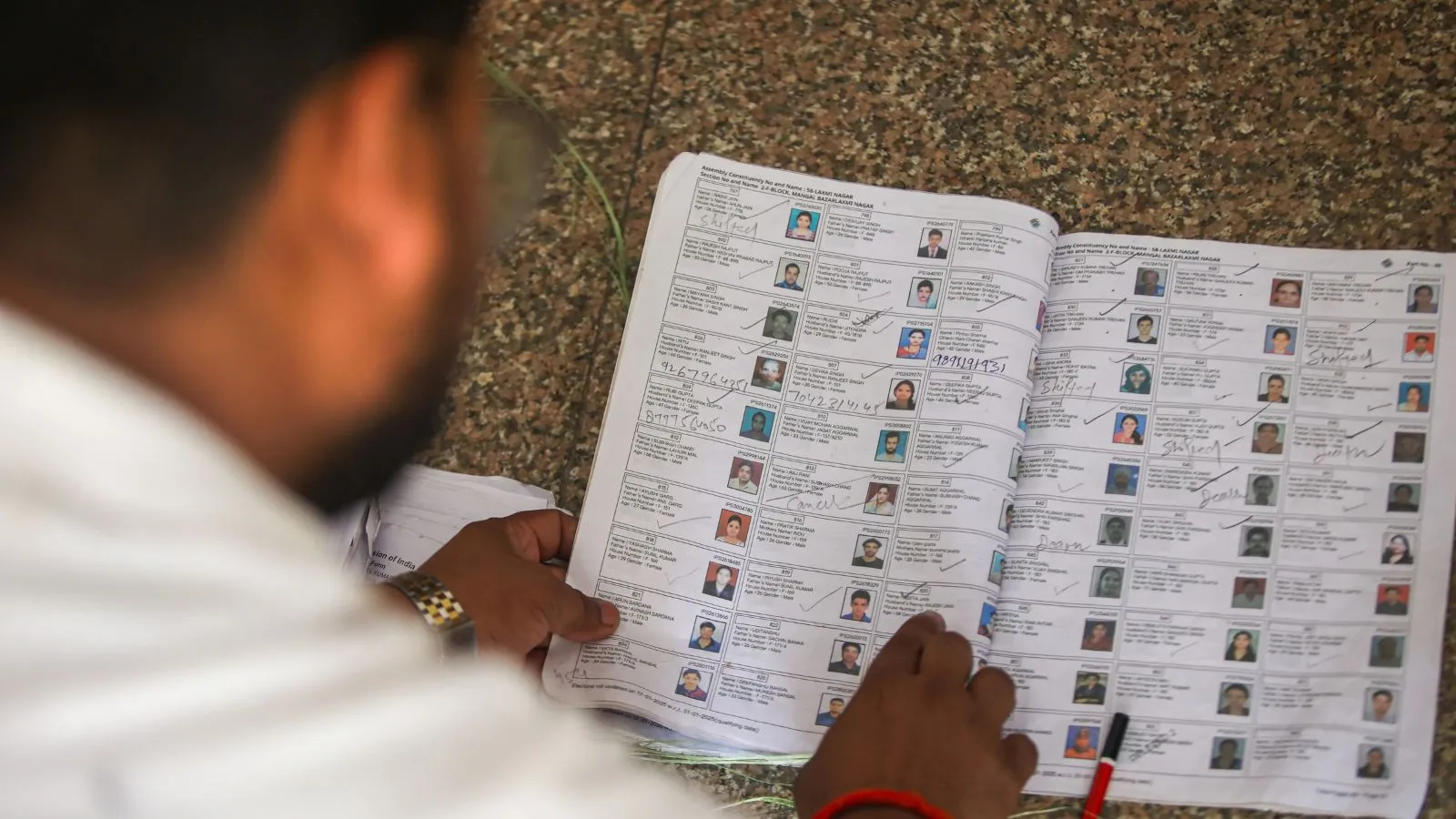
A voter recertification exercise is a review of the electoral roll. Officials check whether each listed person is identifiable, lives at the recorded address, and remains legally eligible to vote. Accurate rolls matter because elections depend on genuine voters being included and duplicate, deceased, or ineligible entries being corrected. The supplied source does not describe such an exercise in Andhra Pradesh. It contains a professional profile of Sreenivas Janyala and lists his reporting areas, including politics, governance, security, infrastructure, and health. It gives no announcement, official explanation, timetable, or procedure for voter recertification. Therefore, the specific reason officials are conducting the exercise cannot be established from this source. In general, election authorities undertake roll reviews to improve accuracy before elections, but applying that explanation to this Andhra Pradesh exercise would go beyond the supplied facts. The article also provides no scale, deadline, or decision-making details.
Based on reporting by Indian Express
What is a voter recertification exercise, and why are election officials conducting one in Andhra Pradesh?
A voter recertification exercise is a review of the electoral roll. Officials check whether each listed person is identifiable, lives at the recorded address, and remains legally eligible to vote. Accurate rolls matter because elections depend on genuine voters being included and duplicate, deceased, or ineligible entries being corrected.
The supplied source does not describe such an exercise in Andhra Pradesh. It contains a professional profile of Sreenivas Janyala and lists his reporting areas, including politics, governance, security, infrastructure, and health. It gives no announcement, official explanation, timetable, or procedure for voter recertification.
Therefore, the specific reason officials are conducting the exercise cannot be established from this source. In general, election authorities undertake roll reviews to improve accuracy before elections, but applying that explanation to this Andhra Pradesh exercise would go beyond the supplied facts. The article also provides no scale, deadline, or decision-making details.
What exactly have poll officers been instructed to record in the videos, and how will the recordings document the process?
Video recording during electoral-roll verification can create a time-stamped record of field activity. Depending on official instructions, footage might show an officer visiting an address, confirming details, recording responses, or documenting that a person was unavailable. It can support later review and accountability.
However, the supplied source contains no voter-roll article and no instructions to poll officers. It does not say whether officers must record the voter, the property, documents, the conversation, the officer’s report, or only the visit itself. It also does not identify a storage system, viewing authority, retention period, or privacy safeguards.
The exact answer therefore cannot be derived from the source. Any claim about mandatory scenes, consent, timestamps, uploading, or evidentiary use would require the relevant election order or official circular. The source only discusses Sreenivas Janyala’s journalism and his coverage of regional politics, governance, security, infrastructure, and health crises.
How many voters, polling stations, or electoral rolls are expected to be covered by this exercise?
The scale of a voter recertification exercise is normally described through figures such as registered electors, polling stations, electoral districts, or households visited. These numbers show how broad the field operation is and help explain its staffing, timing, and administrative burden.
The supplied source provides none of those figures. It does not mention the number of voters in Andhra Pradesh, the number of polling stations involved, the size of any electoral roll, or the number of officers assigned. Its only numerical description is that Sreenivas Janyala has spent more than 20 years documenting the Telugu-speaking states.
That figure describes the journalist’s experience, not the voter exercise. Consequently, no reliable total can be reported for voters, polling stations, or rolls covered. A precise answer would require the election commission’s notification, press release, or official data for the particular recertification exercise being referenced.
What happens to a person's ability to vote if their identity, residence, or eligibility cannot be recertified?
A person’s name on the electoral roll is normally the basis for receiving a ballot or voting authorization at a polling station. If identity, residence, or legal eligibility cannot be established and the entry is deleted, the person generally cannot vote under that entry in the relevant election.
Removal should not necessarily be the end of the process. Electoral systems commonly provide notices, claims, objections, hearings, corrections, and appeals. A person may seek restoration or fresh inclusion by submitting the required application and supporting information. The exact deadline and authority depend on the applicable election procedure.
The supplied source does not discuss any voter deletion, recertification outcome, notice, or appeal. It therefore cannot establish what happens in this particular Andhra Pradesh exercise. The general consequence is clear, however: an omitted name can prevent voting, even when the person believes they are eligible. That is why transparent verification and correction mechanisms are important.
Who is responsible for supervising poll officers and deciding whether a voter remains on the electoral roll?
Electoral-roll administration usually separates field verification from the formal decision. Booth-level or field officers collect information and report findings. Electoral Registration Officers examine applications, objections, and verification reports before deciding whether an entry should remain, be corrected, or be removed.
Senior election officials, such as district election authorities and the state Chief Electoral Officer, generally supervise implementation and consistency. The Election Commission of India provides the wider framework and oversight. The precise chain of responsibility can vary with the order governing a particular revision or verification drive.
The supplied source does not name any poll officer, Electoral Registration Officer, district authority, Chief Electoral Officer, or Election Commission instruction connected with this exercise. It therefore cannot confirm who is supervising Andhra Pradesh’s operation or who will make individual decisions. Those details must come from the relevant official notification rather than from the journalist profile provided here.
How are voter rolls normally updated, and what safeguards are meant to prevent eligible voters from being wrongly removed?
Electoral rolls are commonly updated through periodic revision and a continuing process for individual applications. People can usually request inclusion, correction of details, or deletion of an ineligible or duplicate entry. Officials verify the information before the responsible registration authority makes a decision.
Safeguards are designed to prevent eligible voters from disappearing through error. They can include publishing a draft roll, allowing claims and objections, sending notices, checking records or addresses, holding hearings, and providing appeal or correction routes. These steps give affected people an opportunity to challenge a proposed deletion or fix a mistake.
The supplied source does not explain Andhra Pradesh’s normal updating system or the safeguards used in this exercise. It contains no forms, deadlines, notice requirements, verification rules, or appeal instructions. The general process above is established electoral practice, but the exercise’s exact protections should be confirmed in the responsible election authority’s official instructions.
Why are accurate voter lists essential to representative democracy, and how can mistakes in them affect an election?
Representative democracy depends on eligible citizens being identified accurately and given a fair chance to vote. The electoral roll is the administrative foundation for that participation. It should include eligible voters and exclude entries that do not meet legal requirements, without discriminating against people or removing them arbitrarily.
Errors can have direct effects. If an eligible person is omitted, that person may be unable to vote. If addresses or names are wrong, a voter may face difficulty at the polling station. Duplicate, deceased, or ineligible entries can weaken confidence in the roll and create disputes about the integrity of the election. Large patterns of error can affect representation.
The supplied source does not discuss voter lists or this exercise. These democratic principles therefore provide the general context, not article-specific reporting. Transparent verification, public review, correction opportunities, and accountable decisions help reduce mistakes while protecting eligible voters’ participation.
Key Facts:
📌 The source does not describe voter recertification in Andhra Pradesh.
📌 Recertification generally reviews voter identity, residence, and eligibility.
📌 The source gives no reason, timetable, or procedure for this exercise.
📌 The source does not specify video-recording instructions for poll officers.
📌 It gives no details about video storage, access, or retention.
📌 Exact recording requirements require the relevant official election order.
📌 The source gives no voter total for the exercise.