News · Politics & Governance
2027 election cases: Your conduct will be monitored, CJN warns tribunal judges
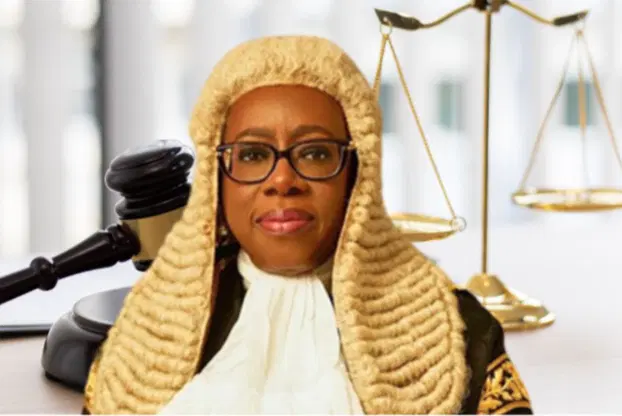
Election petition tribunals are special judicial panels that hear disputes arising from elections. Their decisions can affect politically sensitive contests and attract substantial public attention. The article presents them as tribunals to which some National Industrial Court judges may be assigned before the 2027 general elections. Their central task is to examine election petitions and decide the legal disputes brought before them. The article does not identify particular categories, such as challenges to results or electoral procedures. It does make clear that tribunal judges must apply the Constitution, relevant legislation, binding precedent and established judicial reasoning. Because election disputes can have major political consequences, tribunal work requires impartiality, restraint and detachment. The Chief Justice warned that judges’ conduct would be closely scrutinized. She also said judges must avoid associations, public engagements or other conduct that could create a reasonable perception of political alignment or predisposition.
Based on reporting by Vanguard Nigeria
What are election petition tribunals, and what kinds of disputes do they decide?
Election petition tribunals are special judicial panels that hear disputes arising from elections. Their decisions can affect politically sensitive contests and attract substantial public attention. The article presents them as tribunals to which some National Industrial Court judges may be assigned before the 2027 general elections.
Their central task is to examine election petitions and decide the legal disputes brought before them. The article does not identify particular categories, such as challenges to results or electoral procedures. It does make clear that tribunal judges must apply the Constitution, relevant legislation, binding precedent and established judicial reasoning.
Because election disputes can have major political consequences, tribunal work requires impartiality, restraint and detachment. The Chief Justice warned that judges’ conduct would be closely scrutinized. She also said judges must avoid associations, public engagements or other conduct that could create a reasonable perception of political alignment or predisposition.
Why has Nigeria's Chief Justice warned that tribunal judges will be closely monitored ahead of the 2027 elections?
The warning reflects the high public and political sensitivity of election disputes. Some National Industrial Court judges may be called to serve on Election Petition Tribunals as Nigeria approaches the 2027 general elections. Their decisions will receive considerable public attention, so even the appearance of bias could damage trust.
The key safeguard is judicial impartiality. The Chief Justice Kudirat Kekere-Ekun, said judges must show restraint and detachment. They must also ensure that their associations, public engagements and other conduct do not create a reasonable perception of political alignment or predisposition. Their rulings must remain grounded in law and precedent.
The monitoring warning means judges’ conduct, not only their decisions, will face scrutiny. The Chief Justice also cautioned lawyers against using the Bar to manipulate proceedings for partisan or strategic purposes. These expectations are especially important during the approaching electoral season and tribunal assignments.
How many cases did the National Industrial Court dispose of in the past year, and how many were referred to its ADR Centre?
The National Industrial Court disposed of 2,236 cases across its Judicial Divisions during the past twelve months. Justice Benedict Kanyip, the court’s President, said this significantly reduced its historical backlog. He credited the judges’ commitment and reported that disposal rates increased compared with previous years.
The court’s ADR Centre received only 31 cases during the same period. Alternative Dispute Resolution offers a route for settling disputes without relying entirely on ordinary litigation. Kanyip described ADR as a valid and special part of labour justice delivery, particularly because judicial efficiency cannot depend on litigation alone.
The figures show a strong contrast. The court handled thousands of cases through its judicial work, but litigants and their counsel made limited use of ADR. Kanyip said the court had promoted ADR but received no reciprocity. Greater use could help manage pressure and improve labour justice delivery.
What could happen to public confidence if judges appear politically aligned or if different courts issue conflicting judgments?
Public confidence depends on courts appearing independent, consistent and fair. The Chief Justice warned that duplicating court actions could produce conflicting judgments. Such clashes can confuse parties and the public, weaken respect for judicial decisions and expose the judiciary to disrepute.
Political appearance creates a similar danger. The Chief Justice said judges serving on election tribunals must avoid conduct that creates a reasonable perception of political alignment or predisposition. A judge’s associations or public engagements could therefore affect how people view the tribunal’s impartiality, even if the decision is legally reasoned.
The article links both risks to judicial credibility. Lawyers should use the proper forum instead of pursuing parallel actions, while judges must remain restrained and detached. Decisions should rest on the Constitution, legislation, binding precedent and judicial reasoning. These standards matter especially as the 2027 electoral season approaches.
Why must lawyers bring a case to the court legally designated to hear it instead of choosing a court because they expect a favorable judge?
A court’s authority comes from the law that assigns it particular matters. Lawyers must therefore bring a case before the legally designated forum, rather than selecting a court because they expect a better result there. This protects orderly justice and respects the limits of each court’s jurisdiction.
The article warns that duplicating court actions can create conflicting judgments. It also says the Bar must not become an instrument for manipulating the judicial process for partisan or strategic purposes. Filing similar matters in different courts can encourage forum shopping and make the system appear driven by tactical advantage instead of law.
The Chief Justice’s principle is direct: the proper forum is determined by law. Lawyers must follow that rule whether or not another court seems more favorable. Doing so reduces duplication, limits inconsistent rulings and supports public confidence in the judiciary, particularly in sensitive election-related disputes.
What safeguards are supposed to keep judges deciding election disputes impartially, and how can concerns about judicial conduct be formally addressed?
The safeguards begin with the applicable constitutional and legal framework governing tribunal appointments and assignments. The Chief Justice also demanded impartiality, restraint and detachment from judges deciding politically sensitive disputes. Their conduct must remain consistent with the Constitution, legislation, binding precedent and established judicial reasoning.
Judges must watch their associations, public engagements and other conduct. Nothing should create a reasonable perception of political alignment or predisposition. Lawyers also have duties. They must not duplicate actions, manipulate the process for partisan purposes or pressure courts through public commentary. Criticism of judgments is allowed, but personal attacks and deliberate misrepresentation are not.
If there are genuine concerns about judicial conduct, the formal route is institutional. The Chief Justice said appropriate institutional channels remain available and should be used. This approach keeps complaints within established processes instead of turning public opinion, political pressure or media commentary into an alternative disciplinary system.
Why can lawyers not rely on artificial intelligence to verify legal cases, citations, and quotations before using them in court?
Artificial Intelligence can assist legal research, but it cannot replace a lawyer’s professional responsibility. The Chief Justice warned that an AI-generated answer may look authoritative while containing false information. It can present names of parties, citations, quotations and an apparently convincing account of a decision.
The danger is that the material may not exist or may misstate the law. The system could invent a case, report a decision incorrectly or attribute a quotation to a judgment where the words do not appear. Before using any authority in court, counsel must independently verify that the case, citation, decision and quotation are genuine and accurate.
The consequences can be serious for counsel. A false authority has no place in court proceedings and can undermine the lawyer’s credibility and the court’s work. The warning makes clear that using AI does not transfer professional responsibility. Lawyers must remain accountable for everything they present to the court.