News · Markets & Finance
Dangote Opens $1.6bn Refinery IPO to East Africa, Offers Investors $300m Slice
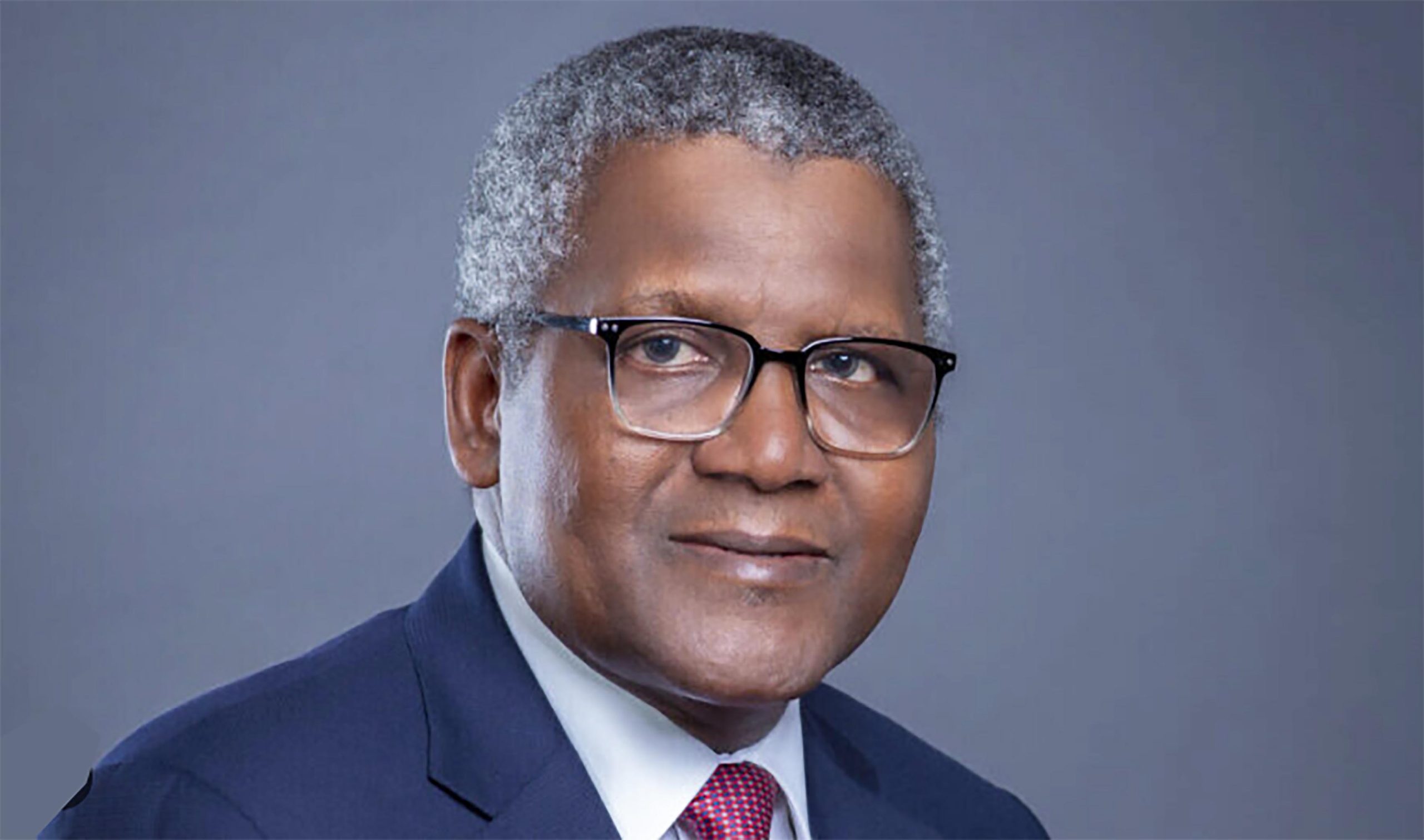
Dangote is offering East African investors access to shares in Dangote Petroleum Refinery and Petrochemicals FZE. Instead of buying the Nigerian company’s shares directly, eligible investors can buy Global Depositary Receipts, or GDRs. This creates a route for investors in Kenya and Uganda to participate in the refinery’s IPO. The regional offer contains about 729 million GDRs. Each GDR represents one underlying share. The receipts are priced at 53.50 Kenyan shillings each and are designed to trade on the Nairobi Securities Exchange. Kenya and Uganda approved routes for eligible investors to participate. The offer could raise about 39 billion Kenyan shillings, or $300.4 million, if fully subscribed. It represents almost 20 per cent of the refinery’s broader $1.6 billion IPO. The GDR offer is scheduled to close on October 13, with listing expected 15 business days after allotment.
Based on reporting by ThisDay
What exactly is Dangote offering to East African investors, and where will those investments be listed?
Dangote is offering East African investors access to shares in Dangote Petroleum Refinery and Petrochemicals FZE. Instead of buying the Nigerian company’s shares directly, eligible investors can buy Global Depositary Receipts, or GDRs. This creates a route for investors in Kenya and Uganda to participate in the refinery’s IPO.
The regional offer contains about 729 million GDRs. Each GDR represents one underlying share. The receipts are priced at 53.50 Kenyan shillings each and are designed to trade on the Nairobi Securities Exchange. Kenya and Uganda approved routes for eligible investors to participate.
The offer could raise about 39 billion Kenyan shillings, or $300.4 million, if fully subscribed. It represents almost 20 per cent of the refinery’s broader $1.6 billion IPO. The GDR offer is scheduled to close on October 13, with listing expected 15 business days after allotment.
What is a Global Depositary Receipt, and how does one represent a share in a foreign company?
A Global Depositary Receipt is a negotiable financial certificate issued by a depositary bank. It represents shares in a company based in another country. The arrangement lets investors access foreign-company ownership through a security offered in their own or a regional market.
For Dangote’s offer, each GDR represents one underlying share in Dangote Petroleum Refinery and Petrochemicals FZE. Investors buy the certificate rather than handling the Nigerian company’s share directly. The GDRs are priced in Kenyan shillings and are intended for listing on the Nairobi Securities Exchange.
This structure gives eligible investors in Kenya and Uganda a regulated route into the refinery’s IPO. The regional offer includes about 729 million GDRs at 53.50 Kenyan shillings each. If fully subscribed, it could raise about 39 billion Kenyan shillings, equivalent to approximately $300.4 million.
How large is the East African offer, and how does its $300.4 million target compare with the refinery's total $1.6 billion IPO?
Dangote has set aside a substantial regional slice of its refinery IPO for East African investors. The offer comprises about 729 million Global Depositary Receipts. At 53.50 Kenyan shillings each, the receipts could raise approximately 39 billion Kenyan shillings, or $300.4 million, if investors subscribe fully.
The regional target is almost one-fifth of the refinery’s broader IPO goal. Dangote launched that wider offering to raise at least $1.6 billion. The East African portion therefore gives investors in Kenya and Uganda access to a meaningful part of the fundraising, rather than a token allocation.
The offer also supports Dangote’s aim of broadening ownership beyond its existing Nigerian base. It is described as part of the “people’s IPO” and is expected to be Africa’s largest. The GDR offer is scheduled to close on October 13, with allotments expected around November 12.
What will the money raised through the IPO be used for?
Dangote plans to use funds from the broader IPO to expand its Lagos refinery. The stated goal is to double processing capacity from 700,000 barrels of crude oil per day to 1.4 million barrels per day. The IPO target is at least $1.6 billion, including the East African GDR portion.
The expansion would make the refinery capable of processing twice its current daily volume. The article connects the fundraising directly to this planned capacity increase. East African investors are therefore being offered a stake in a business seeking to enlarge its refining operation, not merely maintain its present scale.
The current refinery was built by the Dangote Group over about 10 years at an estimated cost of $20 billion. Alongside the Lagos expansion, Dangote is pursuing a proposed Kenyan refinery estimated at $17 billion. That project is expected to take about five years to complete.
Why are Kenya and Uganda's regulatory approvals necessary before investors in those countries can buy the GDRs?
Regulatory approval matters because the GDRs are securities tied to a foreign company. Investors in Kenya and Uganda need a permitted route to buy and trade them through their local financial markets. The approvals signal that eligible investors in both countries may participate under the rules set by their capital-markets authorities.
Uganda’s Capital Markets Authority approved investors in the country to participate in Dangote Petroleum Refinery and Petrochemicals FZE’s IPO. Kenya had earlier approved a GDR route, allowing eligible Kenyan investors to access the offer through negotiable certificates representing shares in the Nigerian company.
Kenya also required Dangote Petroleum to maintain a minimum public free float of 15 per cent of the issued GDR pool among Kenyan investors. The arrangement gives the offer a local market structure, with Stanbic Bank as custodian and receiving bank and the GDRs scheduled for Nairobi listing.
How could selling shares to investors across Africa change who owns and benefits from the Dangote refinery?
The IPO creates an opportunity for ownership of Africa’s biggest refinery to spread beyond its existing Nigerian base. By offering GDRs in East Africa, Dangote is inviting investors in Kenya and Uganda to become shareholders through a regional market. That can widen who participates financially in the refinery.
The mechanism is straightforward: each GDR represents one underlying Dangote refinery share. About 729 million certificates are being offered, with a potential value of $300.4 million. If investors subscribe, they would hold negotiable receipts linked to shares in Dangote Petroleum Refinery and Petrochemicals FZE.
The move fits Dangote’s wider regional strategy. The group is also planning a Kenyan refinery and has offered East African countries a combined 30 per cent stake in that project. Kenya, Ethiopia, and Rwanda have expressed interest in participating, according to the article’s stated details.
What does an oil refinery do, and why would increasing its capacity from 700,000 to 1.4 million barrels per day matter for fuel supply and trade?
An oil refinery is an industrial facility that processes crude oil into petroleum products, including fuels. Increasing a refinery’s capacity means it can handle more crude and potentially produce more refined products. For Dangote, the planned increase would raise daily processing capacity from 700,000 barrels to 1.4 million barrels.
The change would double the volume of crude the Lagos refinery is designed to process each day. That could support greater fuel production and give the refinery a larger role in supplying markets. The article identifies the expansion as the purpose behind Dangote’s broader IPO, which seeks at least $1.6 billion.
The project also has regional implications because Dangote is seeking a broader commercial and investor base in East Africa. The group plans to replicate its Lagos refining project in Kenya. That proposed refinery would cost about $17 billion and could offer East African investors access to roughly $1.5 billion in equity.
Key Facts:
📌 East African investors are offered about 729 million Dangote refinery GDRs.
📌 The GDRs will be listed on the Nairobi Securities Exchange.
📌 Each GDR represents one underlying refinery share.
📌 A GDR is a negotiable certificate issued by a depositary bank.
📌 One Dangote GDR represents one underlying refinery share.
📌 The GDRs are priced in Kenyan shillings.
📌 The East African offer contains about 729 million GDRs.