News · Science & Technology
What if your cooking gas came from water? Meet India’s hydrogen stove
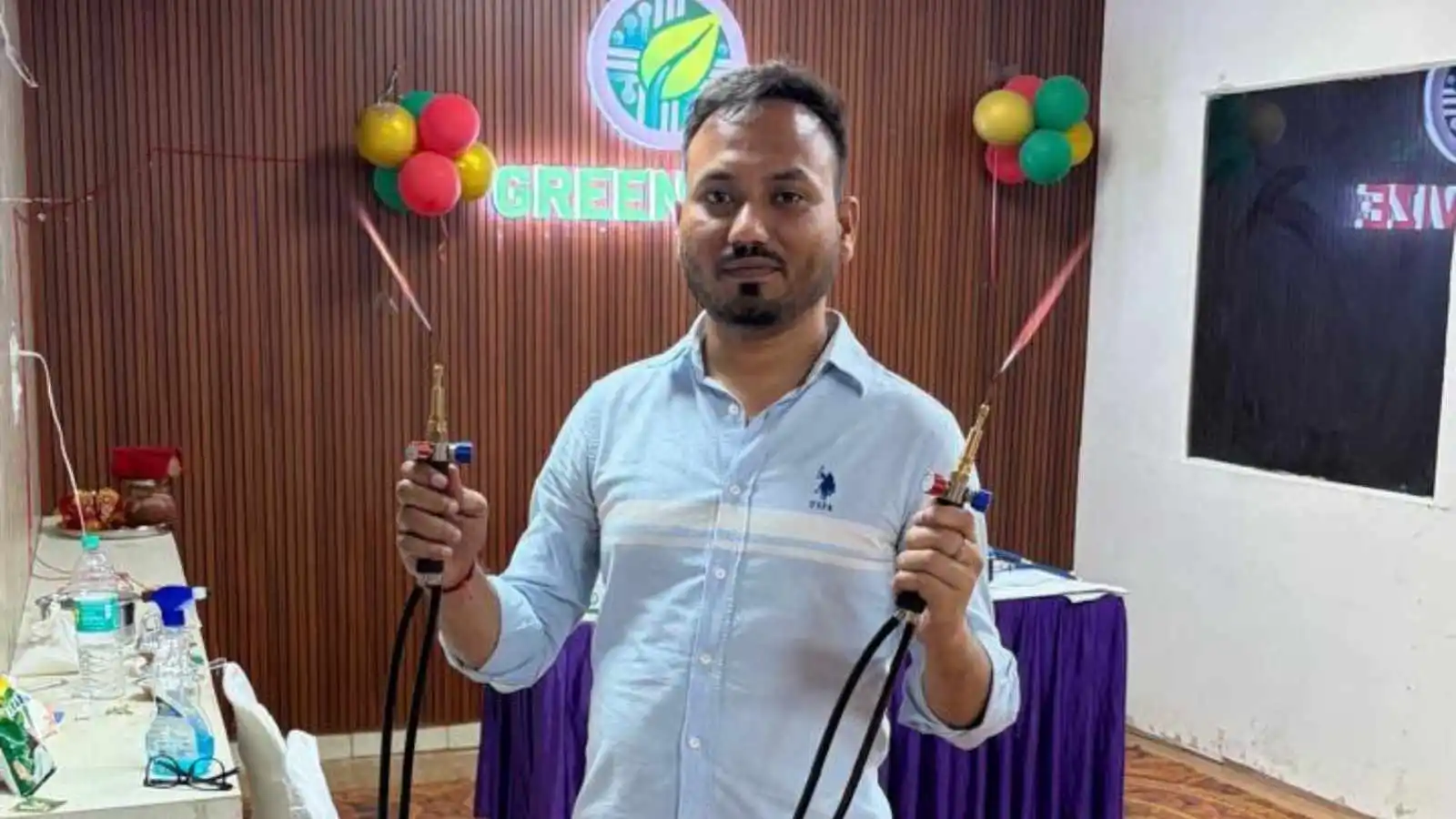
A hydrogen stove is a cooking appliance that makes hydrogen fuel from water, rather than storing LPG in a cylinder. Hydrogen is then burned to provide heat for everyday cooking. The idea matters because many households face expensive or unreliable fossil-fuel supplies, while solid fuels create indoor air pollution. The stove uses electrolysis to separate H2O into its two elements. In GreenVize’s model, this generation process is integrated into the appliance. The resulting hydrogen feeds a burner, which can cook foods such as roti and sabzi. When hydrogen burns, its only combustion by-product is water vapour, provided the hydrogen itself was produced appropriately. The technology remains experimental and relatively expensive. Vikash Kumar in Bihar bought a domestic double-burner model after paying Rs 8,000 for an LPG cylinder. Researchers are also testing larger systems, including IIT Bombay’s solar-powered unit for preparing 200–250 meals daily.
Based on reporting by Indian Express
What is a hydrogen stove, and how can it use water to produce cooking fuel?
A hydrogen stove is a cooking appliance that makes hydrogen fuel from water, rather than storing LPG in a cylinder. Hydrogen is then burned to provide heat for everyday cooking. The idea matters because many households face expensive or unreliable fossil-fuel supplies, while solid fuels create indoor air pollution.
The stove uses electrolysis to separate H2O into its two elements. In GreenVize’s model, this generation process is integrated into the appliance. The resulting hydrogen feeds a burner, which can cook foods such as roti and sabzi. When hydrogen burns, its only combustion by-product is water vapour, provided the hydrogen itself was produced appropriately.
The technology remains experimental and relatively expensive. Vikash Kumar in Bihar bought a domestic double-burner model after paying Rs 8,000 for an LPG cylinder. Researchers are also testing larger systems, including IIT Bombay’s solar-powered unit for preparing 200–250 meals daily.
How does the stove use electrolysis, safety systems, and a burner to turn electricity and water into a flame?
The basic process begins with electricity and water. An electrolyser uses electrical energy to split H2O into hydrogen and oxygen. The hydrogen is directed to a cooking burner, where it is ignited and produces a flame or heat for cooking. This avoids storing all the cooking fuel in a conventional LPG cylinder.
The article describes alkaline electrolysis in the community-scale systems being developed by Prakash Chandra Ghosh and Zest Clean Power. GreenVize instead highlights an integrated, on-site generation process. In both cases, the key mechanism is the same: electricity drives hydrogen production, and the hydrogen supplies the burner.
Specific safety systems, such as sensors, shut-off valves, ventilation controls, or flame monitoring, are not described in the article. Therefore, the source supports the electrolysis-and-burner explanation but does not provide a detailed safety assessment. It reports that users find the appliance simple and not bulky.
How dependent is India on imported LPG, and how severely did the West Asia conflict disrupt its supply?
India is heavily exposed to overseas LPG supply. The country imports almost 60% of its LPG, and more than 90% of those imports arrive through the Strait of Hormuz. That concentration makes cooking-fuel availability vulnerable to disruption in the region.
The West Asia conflict sharply affected supply. India’s monthly LPG imports dropped from two million tonnes to less than one million tonnes. The article describes this as a decline of over 50 percent. For households, the disruption contributed to severe price pressure and long queues for cylinders.
Vikash Kumar’s family in Bihar experienced the problem directly. They reportedly had to pay Rs 8,000 for a cylinder and spend hours waiting in line. These pressures help explain interest in hydrogen stoves, which can produce fuel on site from water. Researchers and companies present the technology as one possible way to reduce dependence on imported fossil fuels.
What happens when hydrogen is used for cooking instead of LPG, firewood, coal, or kerosene?
Replacing LPG, firewood, coal, or kerosene with hydrogen changes both the fuel supply and the cooking emissions. Hydrogen combustion produces water vapour as its only by-product. The article links hydrogen cooking with eliminating indoor air pollution and carbon emissions when the hydrogen comes from renewable electricity.
The health difference is especially important for households using solid fuels. Globally, about 2.1 billion people still cook with biomass, coal, or kerosene, causing severe health consequences, particularly for women and children. Hydrogen burners could provide a cleaner cooking environment without relying on those fuels.
The technology may also improve energy security. LPG depends on fossil-fuel supply chains and can become expensive during geopolitical disruption. IIT Bombay’s demonstration used solar power to make hydrogen for 200–250 meals a day. However, the article describes hydrogen cookers as experimental, and users report that current products remain somewhat pricey.
What is green hydrogen, and why do the climate benefits depend on using renewable electricity to make it?
Green hydrogen is hydrogen produced with renewable electricity. The article describes a 25 kW solar-powered unit at IIT Bombay that made green hydrogen through electrolysis. Hydrogen itself is the most abundant element in the universe, but on Earth it is mostly bound to other atoms, especially in water.
Because hydrogen is an energy carrier, electricity must first be used to produce it. The hydrogen can then be stored or sent to a burner for cooking. When burned, it produces water vapour. This gives hydrogen cooking a strong emissions advantage when the electricity used for production comes from renewable sources.
The source of the electricity therefore matters. The article says hydrogen cooking eliminates carbon emissions provided the hydrogen source is renewable. If production relies on fossil-generated electricity, the climate benefit is not established by the article. Solar-powered production, such as IIT Bombay’s demonstration, connects hydrogen cooking with cleaner energy and lower fossil-fuel dependence.
How does hydrogen cooking compare with LPG and electric cooking in cost, safety, energy use, and reliability?
Hydrogen cooking offers a different supply model from LPG. Fuel can be generated on site from water, so users may avoid waiting for cylinders or facing sudden LPG price increases. The article also links hydrogen with zero indoor air pollution and water vapour as the combustion product, provided production uses renewable electricity.
Vikash Kumar paid for a domestic double-burner model and found it simple, compact, and reliable enough that he no longer worried about gas running out. Larger systems can use solar power and alkaline electrolysis. IIT Bombay’s 25 kW unit produced 2.5–3 kg of hydrogen daily for 200–250 meals.
The trade-off is cost and maturity. The article says current products are somewhat pricey and experimental. It does not give purchase, operating, or energy-use comparisons with LPG or electric cooking, nor does it describe electric cookers’ safety or reliability. Those comparisons therefore cannot be established from the source.
Why is hydrogen called an energy carrier rather than an energy source, and what does that imply about the efficiency and infrastructure needed to use it?
Hydrogen is called an energy carrier because it must be produced before it can be used. On Earth, it exists almost entirely bound to other atoms, especially in water. Electricity can separate it from water, after which hydrogen carries that energy to a burner or another application.
This process requires equipment and energy before cooking begins. Green hydrogen needs renewable electricity and an electrolyser. The hydrogen then needs a delivery or storage arrangement, or an on-site generation system such as GreenVize’s stove. IIT Bombay and Zest Clean Power are developing larger systems using solar power and alkaline electrolysis.
The article does not quantify the full efficiency of the chain from electricity to hydrogen to cooking heat. It does show that infrastructure is essential: a 25 kW solar-powered unit produced 2.5–3 kg daily for 200–250 meals. Hydrogen can reduce fossil-fuel dependence, but its benefits depend on production systems, reliable electricity, and suitable cooking equipment.
Key Facts:
📌 Hydrogen stoves use water as the starting material for cooking fuel.
📌 Electrolysis separates H2O into hydrogen fuel.
📌 Burning hydrogen produces water vapour.
📌 Electrolysis uses electricity to separate water into hydrogen and oxygen.
📌 Hydrogen feeds a burner for cooking.
📌 The article does not detail specific stove safety systems.
📌 India imports almost 60% of its LPG.