News · Science & Technology
Up to 30% of cotton area under ‘illegal’ GM hybrids, finds study
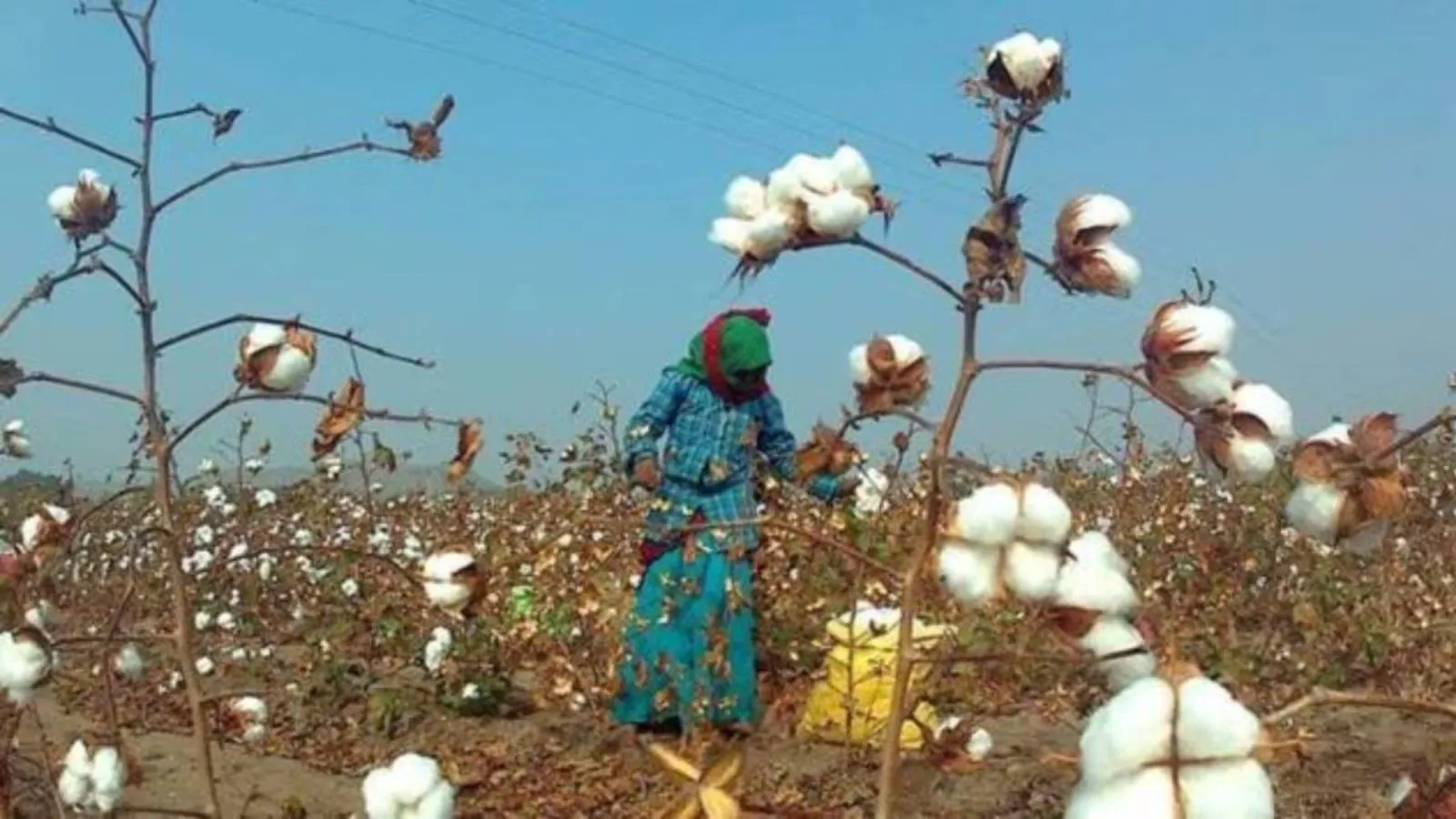
In this case, “illegal” GM cotton means cotton hybrids containing genetically modified traits that India has not approved for cultivation. Indian farmers may legally grow cotton containing the Bt-derived cry1Ac and cry2Ab genes. The hybrids identified in the study also carried cp4-epsps or Vip3A, making them unauthorised under the country’s biosafety and regulatory system. The cp4-epsps gene allows cotton to tolerate glyphosate, a weed-killing herbicide that would normally damage cotton plants. Vip3A comes from Bt but works differently from the approved cry genes. It is linked to control of a broader range of bollworm larvae, including the pink bollworm problem highlighted by the study. The issue matters because farmers and suppliers are bypassing established approval procedures. The study found cp4-epsps in 72.69% of tested field samples and Vip3A in 53.74%. These figures indicate widespread use of traits whose safety and agricultural performance have not been approved by the government.
Based on reporting by Indian Express
What does “illegal” GM cotton mean in this case, and why are these cotton hybrids unauthorised?
In this case, “illegal” GM cotton means cotton hybrids containing genetically modified traits that India has not approved for cultivation. Indian farmers may legally grow cotton containing the Bt-derived cry1Ac and cry2Ab genes. The hybrids identified in the study also carried cp4-epsps or Vip3A, making them unauthorised under the country’s biosafety and regulatory system.
The cp4-epsps gene allows cotton to tolerate glyphosate, a weed-killing herbicide that would normally damage cotton plants. Vip3A comes from Bt but works differently from the approved cry genes. It is linked to control of a broader range of bollworm larvae, including the pink bollworm problem highlighted by the study.
The issue matters because farmers and suppliers are bypassing established approval procedures. The study found cp4-epsps in 72.69% of tested field samples and Vip3A in 53.74%. These figures indicate widespread use of traits whose safety and agricultural performance have not been approved by the government.
How widespread are these unauthorised GM cotton hybrids in India, and how were researchers able to estimate their presence?
The study estimates that 26.2-29 lakh hectares, or 24-30% of India’s 114.8 lakh hectares under cotton in 2025-26, contained unauthorised HT or Bt traits. This suggests the hybrids are not a small underground experiment. They occupy more than a quarter of the country’s cultivated cotton area.
Researchers collected 227 geo-tagged seed or leaf samples from fields belonging to 984 farmers across 16 districts in Maharashtra, Telangana, Andhra Pradesh and Rajasthan. The districts were selected using glyphosate sales, farmer interactions and seed-market intelligence. Samples were tested with dipstick or lateral-flow assays and ELISA, methods used to identify specific genes.
The results showed cp4-epsps in 72.69% of field samples. Vip3A appeared in 53.74%. Researchers also compared seed sales and glyphosate imports. Legal Bt seed packets fell from 596 lakh in 2022-23 to 463 lakh in 2025-26, while glyphosate imports rose 29%.
Which GM genes are legally approved in Indian cotton, and how do the unauthorised cp4-epsps and Vip3A genes work?
India currently allows GM cotton hybrids and varieties containing cry1Ac and cry2Ab. Both genes come from the soil bacterium Bacillus thuringiensis, or Bt. They produce proteins toxic to certain bollworm pests, giving cotton plants protection against those insects.
The unauthorised cp4-epsps gene comes from another soil-dwelling agrobacterium. It makes cotton tolerant to glyphosate, so farmers can spray that herbicide without killing the crop. Vip3A is also derived from Bt, but it operates differently from cry1Ac and cry2Ab. The study says it can control a broader spectrum of bollworm larvae.
These differences explain why farmers and seed suppliers are pursuing the unapproved traits. Cp4-epsps supports glyphosate-based weed management, while Vip3A is associated with stronger control of pink bollworm. However, both genes remain unauthorised for use in Indian cotton, according to the article.
Why are farmers turning to herbicide-tolerant cotton despite the government not approving the trait?
Farmers are turning to herbicide-tolerant cotton because controlling weeds by hand has become difficult and expensive. The article identifies an acute shortage of labour and high manual-weeding costs as the main drivers. The unapproved trait offers a faster weed-management option during a labour-constrained season.
The key mechanism is cp4-epsps. It allows cotton plants to tolerate glyphosate, so farmers can spray the herbicide over the crop. Ordinary cotton cannot safely receive that treatment because glyphosate does not distinguish between cotton and weeds. Farmers typically apply two or three sprays each season.
The cost difference is substantial. Glyphosate-based management costs about Rs 750-850 per acre, according to the study, while manual weeding costs Rs 12,000-15,000. This financial incentive helps explain the technology’s spread, even though the government has not approved the trait and the supply network remains unauthorised.
What changes when farmers spray glyphosate on herbicide-tolerant cotton instead of removing weeds manually or using it on ordinary cotton?
The major change is that weed control can move from labour-intensive manual removal to spraying. Herbicide-tolerant cotton carries the cp4-epsps gene, which lets the plant withstand glyphosate. Farmers can therefore treat the field with the herbicide while the cotton survives, making weed management quicker and cheaper.
Ordinary cotton does not have that protection. Glyphosate cannot distinguish between weeds and cotton, so spraying it across a normal crop would damage or kill both. Farmers instead need manual weeding or other weed-management practices. The study reports that HT cotton users typically spray glyphosate two or three times per season.
The reported cost difference is striking. Glyphosate-based management costs Rs 750-850 per acre, compared with Rs 12,000-15,000 for manual weeding. This benefit helps explain adoption, but the trait remains unauthorised. Its spread therefore combines a practical farm advantage with a regulatory problem.
Why might farmers choose cotton with the Vip3A gene, and how is this linked to the growing problem of pink bollworm?
Farmers may choose Vip3A cotton because it offers a different form of insect resistance. The study links its adoption to effectiveness against pink bollworm, an insect pest that has become a concern for cotton growers. This creates demand for hybrids with a trait beyond the first-generation Bt protection.
Vip3A is derived from Bt, but it works differently from the approved cry1Ac and cry2Ab genes. The article says it is believed to control a broader spectrum of bollworm larvae. In the tested samples, Vip3A was present in 53.74%, with positivity reaching 58.16% in Maharashtra and 54.29% in Andhra Pradesh.
The study’s explanation is that first-generation Bt hybrids have become vulnerable to pink bollworm. Vip3A therefore appears in a market seeking stronger pest control. Yet the gene has not been approved for cotton in India, so this response to pest pressure is occurring outside the established regulatory system.
What are genetically modified crops, and why do governments require biosafety testing and approval before farmers can grow them?
Genetically modified crops are plants whose genetic material has been changed in a laboratory to add a desired trait. In this article, inserted genes give cotton resistance to bollworms or tolerance to glyphosate. The added genes can change how a crop responds to insects or herbicides.
Governments require biosafety testing because a modified crop can affect farming systems, other organisms and the environment. Assessment can examine the introduced gene, the trait it produces, possible ecological effects and safe conditions for cultivation. Approval also creates rules for monitoring and managing the technology. These are general reasons for regulatory review.
India’s approved GM cotton contains cry1Ac and cry2Ab. The study found unauthorised hybrids carrying cp4-epsps and Vip3A, even though those traits have not been approved. Their spread shows why testing and authorisation matter: farmers are adopting useful-seeming technologies while bypassing the country’s established biosafety system.
Key Facts:
📌 Unauthorised hybrids contain cp4-epsps or Vip3A genes.
📌 India legally permits only cry1Ac and cry2Ab in GM cotton.
📌 The unapproved traits bypass India’s biosafety approval system.
📌 Unauthorised hybrids covered an estimated 24-30% of India’s cotton area.
📌 Researchers tested 227 geo-tagged samples from 984 farmers.
📌 The study covered 16 hotspot districts in four states.
📌 Approved cotton genes are cry1Ac and cry2Ab.