News · Defence & Security
Ethiopia launches strikes at Eritrean troops venturing into N. Tigray
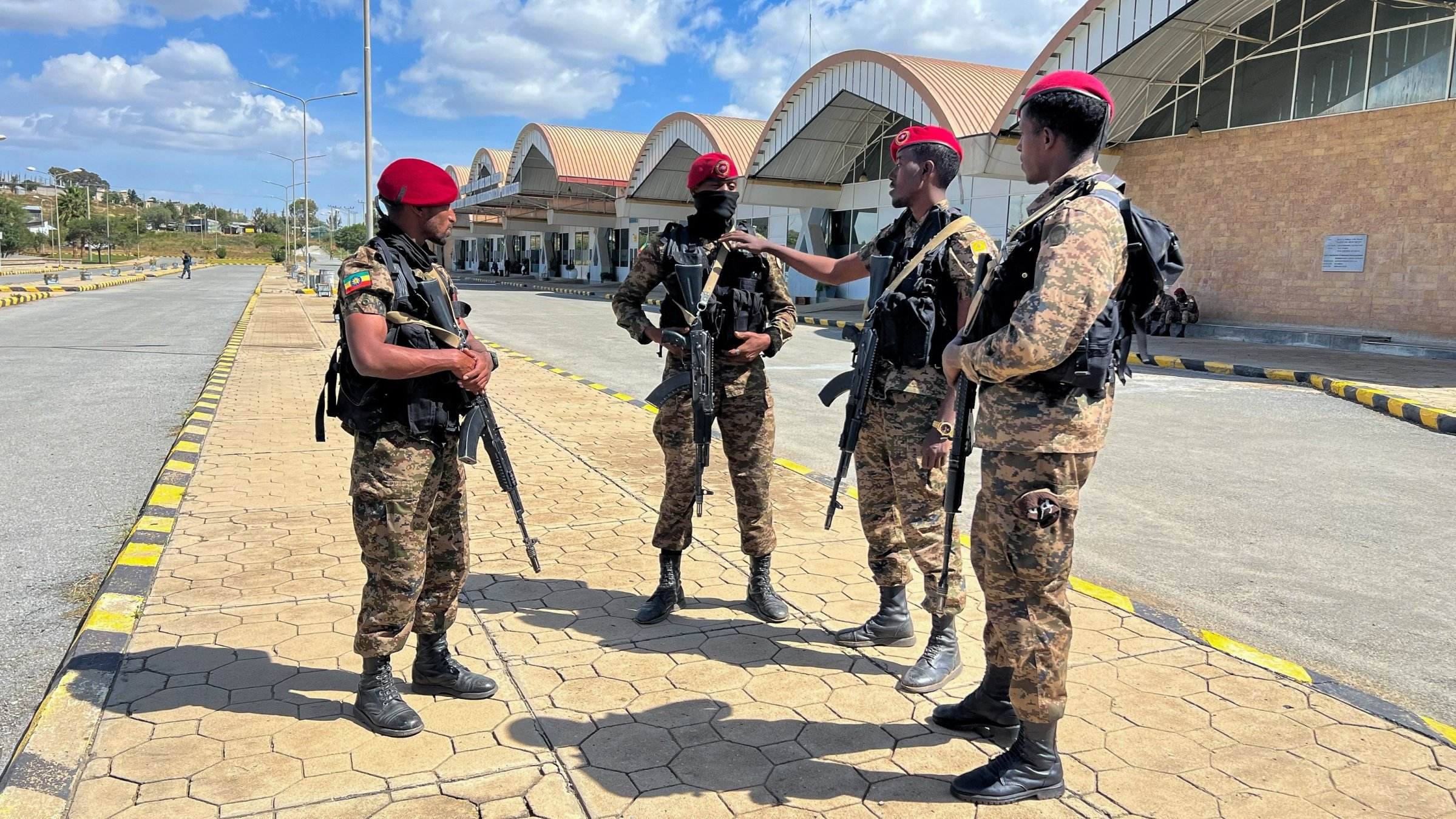
Adigrat reportedly became the scene of overnight drone strikes on Thursday. Conflict monitor ACLED said Eritrean troops and ammunition in the area were hit. A witness told AFP that many strikes occurred and that some Eritrean lorries were destroyed. The incident matters because it could turn renewed fighting in northern Ethiopia into a direct Ethiopia-Eritrea confrontation. The forces involved were reportedly Eritrean troops and Ethiopian forces using drones. Sources said Eritrean troops had crossed the border and positioned themselves around Adigrat. Ethiopia accuses Eritrea of supporting rebels in Tigray. Eritrea’s information minister rejected that account and said Ethiopia was inventing a self-defense narrative. The governments had not responded to inquiries when the report was published. The strikes came during renewed fighting between Ethiopia’s government and an opposition alliance that includes the TPLF. Because the reported attack involved forces from neighboring states, it raised fears of a broader regional war.
Based on reporting by Daily Sabah Turkey
What happened in Adigrat, and which forces were involved?
Adigrat reportedly became the scene of overnight drone strikes on Thursday. Conflict monitor ACLED said Eritrean troops and ammunition in the area were hit. A witness told AFP that many strikes occurred and that some Eritrean lorries were destroyed. The incident matters because it could turn renewed fighting in northern Ethiopia into a direct Ethiopia-Eritrea confrontation.
The forces involved were reportedly Eritrean troops and Ethiopian forces using drones. Sources said Eritrean troops had crossed the border and positioned themselves around Adigrat. Ethiopia accuses Eritrea of supporting rebels in Tigray. Eritrea’s information minister rejected that account and said Ethiopia was inventing a self-defense narrative.
The governments had not responded to inquiries when the report was published. The strikes came during renewed fighting between Ethiopia’s government and an opposition alliance that includes the TPLF. Because the reported attack involved forces from neighboring states, it raised fears of a broader regional war.
What are Tigray and Adigrat, and where are they located?
Tigray is Ethiopia’s northern region, and Adigrat is a city in northern Tigray. The article identifies Adigrat as a northern Tigrayan city and places Eritrean troops around it after an alleged border crossing. Their location matters because events there can quickly involve Ethiopia’s internal conflict and its tense relationship with neighboring Eritrea.
The article describes Adigrat as an area where Eritrean troops and ammunition were reportedly positioned. ACLED said those targets were hit by multiple drone strikes. A witness also described destroyed Eritrean lorries in the streets. These details connect a specific city to a wider cross-border dispute.
The report does not provide exact distances or a map. In established geographic terms, Adigrat lies in northern Ethiopia’s Tigray region, close to Eritrea. That proximity helps explain why alleged troop movements in or around the city caused fears that domestic fighting could become an international conflict.
How large and destructive was the Ethiopia-Eritrea border war from 1998 to 2000?
The Ethiopia-Eritrea border war lasted from 1998 to 2000 and was fought between two neighboring states. It matters because its unresolved grievances still shape relations between them. The source mentions the war as brutal, but it does not provide figures for deaths, displacement, or economic damage.
Established historical estimates commonly place the death toll somewhere between about 70,000 and 100,000 people, though totals vary by source. Hundreds of thousands were also displaced, and both countries suffered major economic losses. The fighting centered on disputed border areas, with large conventional battles and heavy artillery use.
Those figures are not stated in the article and should be treated as historical estimates, not exact counts. The conflict’s legacy remains important here because Ethiopia and Eritrea have again exchanged accusations, severed diplomatic ties, and become involved around northern Tigray. A new war could revive those unresolved tensions.
Why did Eritrean troops enter or return to northern Tigray, according to the competing claims in the article?
The article presents competing explanations for Eritrean troop movements into northern Tigray. Sources said Eritrean troops had crossed the border and positioned themselves around Adigrat. Ethiopia accuses Eritrea of backing rebels in Tigray. Those claims suggest Eritrea’s alleged presence was connected to Ethiopia’s internal conflict.
Eritrea’s information minister, Yemane Gebremeskel, gave a sharply different account. He accused Ethiopia’s ruling party of creating a false self-defense narrative to justify military action against Eritrea. He did not specifically address the troop movements or the reported drone strikes. The article therefore does not establish why the troops moved.
The most immediate reality is uncertainty. Conflict monitor ACLED reported strikes against Eritrean troops and ammunition, while neither Asmara nor Addis Ababa had responded to inquiries. The competing claims could deepen mistrust, increase cross-border military activity, and make a wider Ethiopia-Eritrea confrontation more likely.
Who are the Tigray People's Liberation Front and the opposition alliance fighting Ethiopia's government?
The Tigray People’s Liberation Front, or TPLF, is a Tigrayan organization involved in Ethiopia’s renewed internal conflict. The article identifies it as part of an opposition alliance fighting Ethiopian government forces. Its role matters because Ethiopia’s accusations against Eritrea connect the domestic rebellion to possible foreign support.
The source also says Eritrea fought alongside Ethiopia against the TPLF during the 2020-2022 civil war. That earlier partnership later deteriorated. The article does not name every group in the opposition alliance or explain its command structure. It establishes only that the alliance includes the TPLF and is fighting the government.
This history creates a complicated alignment. Eritrea previously opposed the TPLF, while Ethiopia now accuses Eritrea of backing rebels in Tigray. Those claims are disputed by Eritrea. Continued fighting involving the alliance could therefore worsen Ethiopia’s internal crisis and pull Eritrea more directly into it.
What could happen to civilians and regional stability if fighting between Ethiopia and Eritrea expands?
If Ethiopia and Eritrea begin fighting directly, civilians in border areas and northern Tigray could face immediate danger. Drone strikes, artillery, troop movements, and disrupted transport can damage homes, roads, health facilities, and food supplies. People may also flee their communities. The article does not report civilian casualties from the Adigrat strikes, so their impact on civilians remains unknown.
The reported events show how escalation could happen. Fighting already involves Ethiopia’s government and an opposition alliance that includes the TPLF. Ethiopia accuses Eritrea of supporting rebels, while sources reported Eritrean troops around Adigrat. A strike on those forces could trigger retaliation or wider military deployments.
Regional stability would suffer if diplomatic channels remain closed. Ethiopia and Eritrea severed diplomatic ties last week, and neither government had answered inquiries. Continued accusations could harden positions, spread fighting across borders, and complicate efforts to protect civilians. These are risks, not outcomes confirmed by the article.
Why does access to the sea matter to landlocked Ethiopia, and how can geography create conflict between neighboring countries?
Ethiopia is landlocked, meaning it has no coastline of its own. Access to seaports matters because countries need dependable routes for imports, exports, fuel, and other essential goods. It also has strategic value. The article says Ethiopia persistently claims a right to sea access, making this a major source of tension with Eritrea.
Geography can create conflict when one country depends on territory or ports controlled by another. Ethiopia may view reliable sea access as an important national need, while Eritrea may view its coastline and sovereignty as non-negotiable. Even without open fighting, competing claims can fuel diplomatic pressure, military planning, and mistrust.
The article links this dispute to the deterioration in relations after Eritrea fought alongside Ethiopia during the 2020-2022 civil war. It does not describe a specific port agreement or negotiation. Persistent sea-access claims, combined with accusations over Tigray, could therefore make future disputes more dangerous.
Key Facts:
📌 Multiple drone strikes reportedly hit Eritrean troops and ammunition near Adigrat.
📌 A witness said several Eritrean lorries were destroyed.
📌 Neither Asmara nor Addis Ababa confirmed the reported strikes.
📌 Tigray is a region in northern Ethiopia.
📌 Adigrat is a city in northern Tigray.
📌 Adigrat lies close to Ethiopia’s border with Eritrea.
📌 The border war lasted from 1998 to 2000.