News · Defence & Security
Türkiye rules out ops against Houthis, vows helping Saudi defense
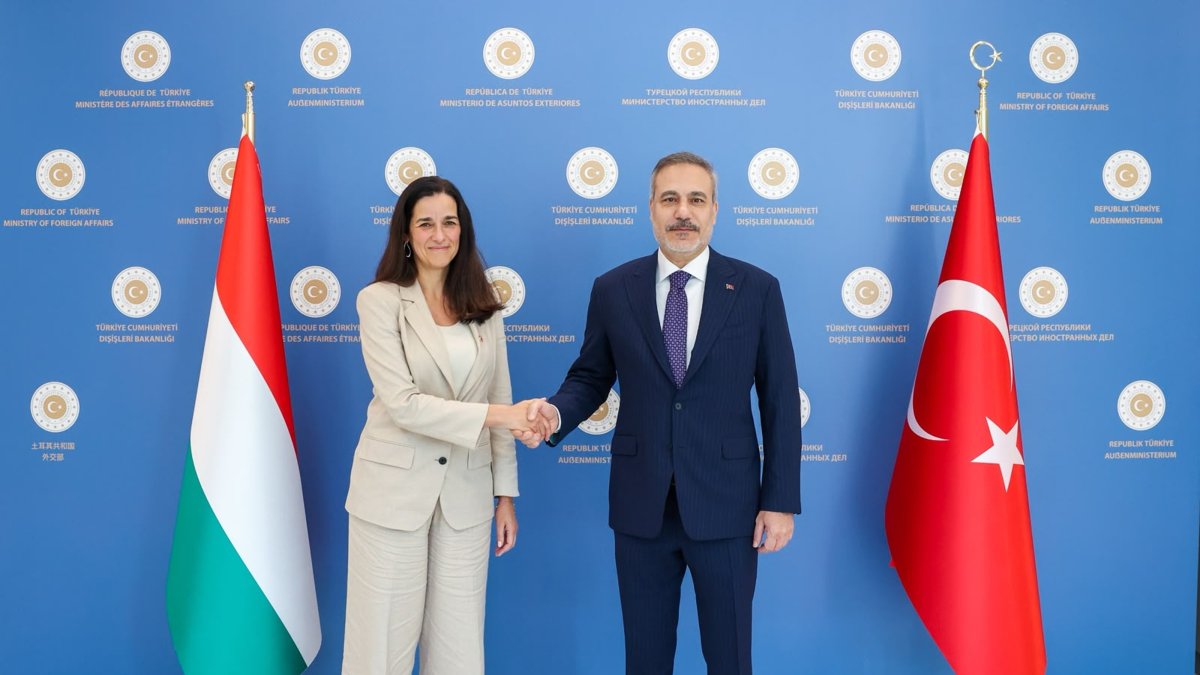
The key distinction is between helping a partner defend itself and launching an offensive. Hakan Fidan said Türkiye was considering defense assistance for Saudi Arabia, but rejected sending Turkish troops to another country to attack another. This matters because the proposed role is presented as protective, not as participation in an attack. The article links this discussion to tensions involving the Houthis in Yemen. It also connects the issue to the Mecca Defense Alliance, which Türkiye signed with Saudi Arabia and Pakistan. Fidan described the agreement as a defense pact rather than an offensive pact. The article does not specify what assistance Türkiye might provide. It only reports that defense assistance was under consideration and that the alliance agreement would soon be sent to Türkiye’s parliament for ratification. The precise scope of any support therefore remained undecided in the report.
Based on reporting by Daily Sabah Turkey
What military action did Türkiye rule out, and what kind of help did it say it was considering for Saudi Arabia?
The key distinction is between helping a partner defend itself and launching an offensive. Hakan Fidan said Türkiye was considering defense assistance for Saudi Arabia, but rejected sending Turkish troops to another country to attack another. This matters because the proposed role is presented as protective, not as participation in an attack.
The article links this discussion to tensions involving the Houthis in Yemen. It also connects the issue to the Mecca Defense Alliance, which Türkiye signed with Saudi Arabia and Pakistan. Fidan described the agreement as a defense pact rather than an offensive pact.
The article does not specify what assistance Türkiye might provide. It only reports that defense assistance was under consideration and that the alliance agreement would soon be sent to Türkiye’s parliament for ratification. The precise scope of any support therefore remained undecided in the report.
What is the Mecca Defense Alliance, and what does it mean for an alliance to be defensive rather than offensive?
The Mecca Defense Alliance is the defense agreement discussed by Hakan Fidan after it was signed with Saudi Arabia and Pakistan. Its stated purpose, as described in the article, is defensive. That distinction matters because it frames cooperation as protection against threats rather than a plan to attack another country.
In general, a defensive alliance can involve consultation, shared planning, intelligence, equipment, or assistance when a member faces danger. The article gives one clear limit: Fidan said Türkiye would not send troops to another country for attacking another. This indicates that membership does not automatically mean participation in every military operation.
The agreement’s exact obligations are not detailed in the article. Fidan said it would soon be sent to Türkiye’s parliament for ratification. Until that process and any later implementation, the practical meaning of the alliance’s commitments remains unspecified in the report.
How many countries are named in the alliance described in the article, and which countries are they?
The article names three countries in connection with the Mecca Defense Alliance: Türkiye, Saudi Arabia, and Pakistan. This is the full number of countries explicitly identified in the report. The count comes from Fidan’s reference to the alliance signed with Saudi Arabia and Pakistan, while he spoke as Türkiye’s foreign minister.
The agreement therefore links Türkiye with Saudi Arabia and Pakistan in the defense arrangement described. Saudi Arabia is also the country that Türkiye was considering assisting amid tensions with the Houthis in Yemen. Pakistan is named as a signatory, but the article gives no further detail about its role.
The report does not say whether other countries are members or might join later. It also does not describe the alliance’s command structure, military resources, or specific obligations. Those details would be needed to assess its full scale, but they are not provided in the available text.
Who are the Houthis, and why are they in conflict with Saudi Arabia?
The article only identifies the Houthis as actors in Yemen and says Saudi Arabia is facing tensions with them. It does not explain who they are or why the conflict began. Established background identifies the Houthis, also called Ansar Allah, as a Yemeni Zaydi Shia movement that became a major armed and political force.
Their conflict with Saudi Arabia grew from Yemen’s civil war. The Houthis seized large areas, including the capital, and Saudi Arabia led a military coalition that intervened in Yemen in 2015 to support the internationally recognized government. The fighting included attacks across borders and missile or drone threats, creating direct security concerns for Saudi Arabia.
These historical details come from established background, not the supplied article. In the article’s immediate context, the Houthi tensions help explain why Türkiye was considering defense assistance for Saudi Arabia and discussing a defensive alliance with Saudi Arabia and Pakistan.
What forms could Turkish defense assistance take if Türkiye does not send troops to attack targets in Yemen?
If Türkiye does not send troops to attack targets in Yemen, assistance could still support Saudi Arabia’s protection. Possible forms include air-defense systems, radar, intelligence sharing, military training, logistics, maintenance, or defensive equipment. These are general examples of defense cooperation, not measures named in the article.
The key mechanism would be helping Saudi Arabia detect, deter, or intercept threats without deploying Turkish forces for an offensive operation. For example, shared intelligence could warn of an approaching attack, while air-defense equipment could help protect populated areas or military sites. Training could improve Saudi personnel’s ability to use defensive systems.
The report gives no details about weapons, personnel, funding, or operational plans. It says only that Türkiye was considering defense assistance. Any actual package would depend on the alliance agreement, government decisions, and parliamentary ratification, but those steps and their results were not yet described.
What formal change could occur if the alliance agreement is ratified by Türkiye's parliament?
Parliamentary ratification would represent a formal domestic step for Türkiye’s agreement with Saudi Arabia and Pakistan. It could approve the country’s participation and authorize the government to carry out commitments under the pact. This matters because the agreement would move beyond an announced arrangement toward an officially accepted state obligation.
The practical mechanism depends on Türkiye’s constitutional and legal procedures. Parliament would review and vote on the agreement. If approved, the government could then implement whatever commitments the final text contains, subject to applicable law. The article does not state whether ratification would immediately activate military assistance or require additional decisions.
Fidan said the agreement would soon be sent to parliament for ratification. At the time covered, that step was still upcoming. The report gives no vote date, result, or detailed obligations, so the eventual consequences cannot be determined from the article alone.
How do collective-defense agreements work, and how do they interact with a country's sovereignty and the international rules on using force?
A collective-defense agreement is a promise to cooperate when a member faces an attack or serious security threat. Cooperation can include consultation, intelligence, equipment, planning, or military action. The article presents the Mecca Defense Alliance as defensive, meaning its stated purpose is protection rather than an agreement to launch attacks.
Membership does not automatically transfer a country’s sovereignty to the alliance. Each government normally decides whether and how to respond, according to the treaty’s wording and national law. Fidan’s statement illustrates this point: Türkiye would not send troops to another country for attacking another, even while considering defense assistance for Saudi Arabia.
International law generally limits the use of force. The United Nations Charter prohibits force against another state’s territorial integrity or political independence, while recognizing self-defense after an armed attack and certain Security Council authorizations. The article does not discuss these legal rules or the agreement’s exact terms, so its final obligations remain unknown.
Key Facts:
📌 Türkiye ruled out sending troops to attack another country.
📌 Ankara was considering defense assistance for Saudi Arabia.
📌 The discussion followed tensions with Houthis in Yemen.
📌 The Mecca Defense Alliance is described as a defense pact.
📌 Türkiye signed the agreement with Saudi Arabia and Pakistan.
📌 Fidan said Türkiye would not join attacks on another country.
📌 Three countries are explicitly named in the alliance.