News · International Relations
Rubio says he currently sees no prospects for ending Russia-Ukraine war through talks
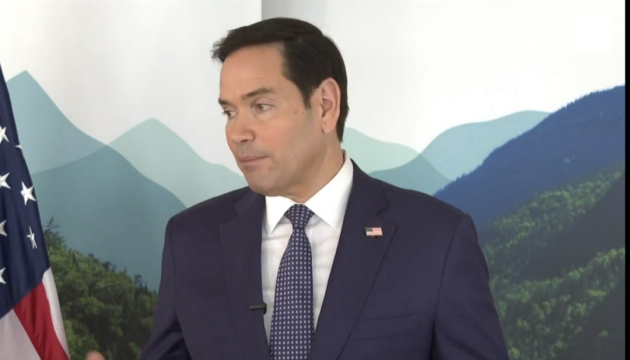
Rubio described the war as a strategic stalemate and said talks currently offer no clear path to ending it. His assessment matters because negotiations are one of the two ways he identified for breaking such a deadlock. The other is escalation, which could spread the conflict. The main obstacle is the gap between the sides’ stated positions. Rubio said Russia defines victory as controlling the totality of Donetsk. Ukraine considers that condition unacceptable. Because the two positions do not currently meet, previous diplomatic efforts have not produced a settlement. Washington has not abandoned diplomacy. Rubio said the United States is prepared to play a constructive role and explore any opportunity for negotiations. For now, however, he said a settlement remains elusive, while attacks, winter threats to Ukraine’s power grid, and long-range strikes increase concern about escalation.
Based on reporting by Ukrinform English
What did Marco Rubio say about the current chances of ending the Russia-Ukraine war through negotiations?
Rubio described the war as a strategic stalemate and said talks currently offer no clear path to ending it. His assessment matters because negotiations are one of the two ways he identified for breaking such a deadlock. The other is escalation, which could spread the conflict.
The main obstacle is the gap between the sides’ stated positions. Rubio said Russia defines victory as controlling the totality of Donetsk. Ukraine considers that condition unacceptable. Because the two positions do not currently meet, previous diplomatic efforts have not produced a settlement.
Washington has not abandoned diplomacy. Rubio said the United States is prepared to play a constructive role and explore any opportunity for negotiations. For now, however, he said a settlement remains elusive, while attacks, winter threats to Ukraine’s power grid, and long-range strikes increase concern about escalation.
What is a strategic stalemate in a war, and why can it be dangerous?
A strategic stalemate is a situation in which a war continues without either side securing a decisive outcome. Military pressure remains, but the conflict does not move toward a clear victory. Rubio used this term to describe the current Russia-Ukraine war. It matters because a prolonged deadlock can make diplomacy harder while keeping the risks of fighting alive.
Rubio said such stalemates are broken in only two ways. One is a negotiated settlement. The other is escalation by one side or both. He warned that escalation could spread beyond the original conflict, rather than remaining limited to the existing battlefield.
The article gives several reasons for concern. Ships were attacked in the Black Sea, and Washington worries that sabotage in a neighboring country could spiral out of control. Russia may target Ukraine’s remaining electric grid, while Ukraine has improved long-range strikes deep into Russia.
How long has the full-scale Russia-Ukraine war lasted, and how extensive is the conflict geographically?
The article states that the war is going into its fifth year. Rubio said this was never the original plan and argued that it had not developed as Putin intended. The timing shows a prolonged conflict, but the article does not provide a precise start date or a separate duration for a full-scale phase.
Geographically, the conflict reaches beyond a single battlefield. The article mentions attacks on ships in the Black Sea, Russian efforts connected to Donetsk, threats to Ukraine’s electric grid, and Ukraine’s long-range strikes deep into Russia. These examples show activity involving several areas.
The article also raises the possibility of further spread. Washington is concerned that sabotage in a neighboring country could spiral out of control. It warns that the war could become broader, but it does not identify that country or quantify the area affected. The geographic scope is therefore described, not measured.
What does Russia mean by seeking control of the totality of Donetsk, and why is that unacceptable to Ukraine?
When Rubio referred to Russia seeking the totality of Donetsk, he meant that Russia has repeatedly defined victory as controlling all of Donetsk. The article presents this as Russia’s stated objective, not as a completed outcome. That territorial demand is central to the disagreement between the two sides.
The key mechanism is a mismatch between negotiating positions. Russia continues to state its Donetsk goal, while Ukraine considers that condition simply unacceptable. If one side treats full control of the territory as necessary for victory and the other rejects that requirement, the basis for a settlement remains missing.
Rubio said this disagreement helps explain why negotiations have so far been elusive. The United States is ready to support diplomacy if an opportunity appears, but it cannot remove the underlying disagreement by itself. Unless the positions change or a compromise emerges, the territorial issue will continue blocking talks.
What could happen if attacks, sabotage, or military operations escalate beyond Ukraine and Russia?
If attacks or military operations spread beyond the original conflict, the war could involve additional countries, locations, or targets. Rubio warned that this kind of escalation is dangerous because it would transform a contained confrontation into a broader conflict. The consequences would depend on how far the fighting or retaliation spread.
The article gives concrete warning signs. Ships were attacked in the Black Sea through a coordinated drone attack. Washington is also concerned about a sabotage operation in a neighboring country. Rubio said such an operation could spiral out of control, showing how an incident outside the main battlefield might create wider instability.
Other risks are developing inside the existing war. Russia may try to destroy what remains of Ukraine’s electric grid during winter, while Ukraine has become more effective at long-range strikes deep into Russia. These actions increase the chance of retaliation and make broader escalation a continuing concern.
What are the two main ways a strategic stalemate can end, according to Rubio?
Rubio said a strategic stalemate can end in only two main ways. The first is a negotiated settlement, in which the sides reach an agreement that resolves the conflict. The second is escalation by one side or both, producing an outcome that breaks the deadlock through greater military pressure or wider fighting.
The two paths carry very different risks. Negotiation could provide a diplomatic route toward ending the war. Escalation could spread beyond the original conflict, potentially involving new locations or actors. Rubio’s warning makes the second path a danger, not a preferred solution.
He said the United States is prepared to help create an opportunity for diplomacy. Yet he also described negotiations as elusive because Russia continues to demand the totality of Donetsk, while Ukraine rejects that condition. Meanwhile, attacks, winter threats, and long-range strikes keep the escalation risk active.
Why does ending a war usually require agreement on territory, security, and sovereignty rather than only a temporary halt in fighting?
A temporary halt in fighting can reduce immediate violence, but it may leave the central dispute unresolved. A durable end to war usually requires agreement on who controls contested territory, how each side will be protected, and which authority governs. These issues determine whether the peace can survive after the ceasefire ends.
For example, if one side demands territory and the other rejects that demand, stopping attacks does not settle the disagreement. Likewise, if either side fears renewed attack, it may see a pause as time to prepare rather than as a final peace. Clear commitments, monitoring, and accepted rules can help address those concerns.
The article illustrates this problem through Donetsk. Russia defines victory as control of its totality, while Ukraine considers that condition unacceptable. Rubio therefore sees negotiations as elusive. A lasting settlement would need to address that territorial dispute and the wider questions of sovereignty and security behind it.
Key Facts:
📌 Rubio sees no current prospects for a negotiated settlement.
📌 Russia’s stated Donetsk goal conflicts with Ukraine’s position.
📌 Washington remains ready to support a diplomatic opportunity.
📌 A strategic stalemate lacks a decisive military outcome.
📌 Rubio said stalemates can end through talks or escalation.
📌 Escalation could spread beyond the original conflict.
📌 The war was going into its fifth year.