News · Sports
Court of Arbitration for Sport convenes to rule on 2025 AFCON champions
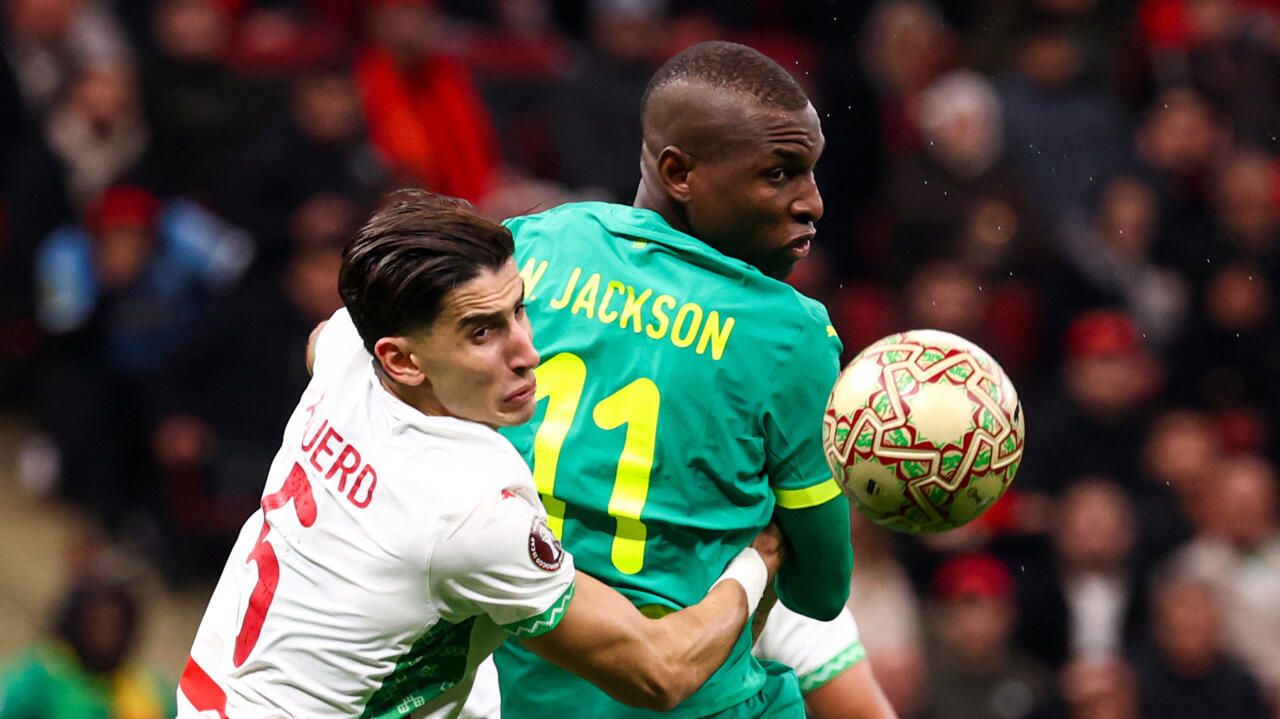
The Court of Arbitration for Sport, or CAS, is an independent tribunal that resolves disputes in sport. It is hearing Senegal’s challenge because CAF changed the AFCON final result after Morocco appealed against Senegal’s conduct. The dispute is about whether that disciplinary decision followed the competition rules. A three-judge panel in Lausanne will hear Senegal, Morocco and CAF. Professor Gerald Simon will preside, assisted by Luigi Fumagalli and Ulrich Haas. The hearing is behind closed doors. CAS will review the legal arguments and evidence, not replay the match or replace the referee’s decisions during normal play. CAS has not said when it will decide. The panel will deliberate after Thursday’s hearing, but no decision will be issued on the hearing date. The outcome will determine whether CAF’s 3–0 Moroccan result stands or whether Senegal’s extra-time victory is restored as the official title result.
Based on reporting by RFI English
What is the Court of Arbitration for Sport, and why is it deciding whether Morocco or Senegal is the 2025 AFCON champion?
The Court of Arbitration for Sport, or CAS, is an independent tribunal that resolves disputes in sport. It is hearing Senegal’s challenge because CAF changed the AFCON final result after Morocco appealed against Senegal’s conduct. The dispute is about whether that disciplinary decision followed the competition rules.
A three-judge panel in Lausanne will hear Senegal, Morocco and CAF. Professor Gerald Simon will preside, assisted by Luigi Fumagalli and Ulrich Haas. The hearing is behind closed doors. CAS will review the legal arguments and evidence, not replay the match or replace the referee’s decisions during normal play.
CAS has not said when it will decide. The panel will deliberate after Thursday’s hearing, but no decision will be issued on the hearing date. The outcome will determine whether CAF’s 3–0 Moroccan result stands or whether Senegal’s extra-time victory is restored as the official title result.
What happened during the AFCON final that led CAF to change the match result from Senegal's extra-time win to a 3–0 victory for Morocco?
The final originally ended with Senegal winning in extra time. Senegal protested after the referee awarded Morocco a stoppage-time penalty, shortly after ruling out a Senegal goal. The players then walked off the pitch, delaying the match by 16 minutes.
Morocco’s Brahim Diaz took the penalty but chipped the ball down the middle. Senegal goalkeeper Edouard Mendy stayed in place and caught it. Senegal returned, and Pape Gueye scored the extra-time winner. CAF later accepted Morocco’s appeal and ruled that Senegal had infringed Article 82 of the AFCON regulations.
Using Article 84, CAF declared Senegal to have forfeited the match. It changed the result to 3–0 for Morocco, despite Senegal’s extra-time victory on the field. Senegal has taken the dispute to CAS, arguing that the walk-off was temporary rather than a refusal to complete the match.
How much did the players' walk-off delay the match, and what penalty decision triggered the protest?
The walk-off caused a 16-minute delay in the AFCON final. That interruption became central to the later disciplinary case because CAF treated Senegal’s conduct as a breach of the tournament regulations.
The immediate trigger was the referee’s stoppage-time penalty decision in Morocco’s favour. The decision came minutes after the referee had ruled out a goal for Senegal. Senegal’s players protested by leaving the pitch rather than continuing immediately.
Morocco’s Brahim Diaz then missed the penalty by chipping the ball centrally, where goalkeeper Edouard Mendy caught it. Senegal returned and won in extra time through Pape Gueye. CAF’s appeal board later upheld Morocco’s complaint and applied Articles 82 and 84, declaring Senegal the loser and changing the result to 3–0 for Morocco.
What could happen to the AFCON title, tournament records, and the two football federations if CAS overturns or upholds CAF's ruling?
The title’s official status is the clearest consequence. If CAS overturns CAF’s ruling, Senegal could regain recognition for the extra-time victory. If CAS upholds it, Morocco would remain the official winner under CAF’s 3–0 decision. The article does not state the exact administrative process for changing records.
The two outcomes rest on different legal conclusions. One would accept Senegal’s argument that the walk-off was temporary and that the referee’s on-field decisions were final. The other would accept CAF’s application of the rule treating a team that leaves before the match ends as having forfeited.
Tournament records, statistics and federation communications would normally need to match the final binding result, but the article does not describe those steps. It also identifies no further punishment for either federation. CAS’s decision is therefore expected to settle the title dispute, while its timing remains unknown.
Why does Senegal argue that the referee's decisions during play are final, while Morocco argues that tournament rules allow a team to forfeit a match for leaving the field?
Senegal and Morocco are pointing to different rulebooks. Senegal’s lawyers are expected to argue that the referee’s decisions about incidents during play cannot be challenged after the match under international football’s Laws of the Game. They say the penalty and disallowed goal therefore cannot be reopened.
Morocco’s argument concerns conduct rather than the correctness of those decisions. AFCON regulations state that a team leaving the ground before the regular end without the referee’s authorisation is considered the loser and is eliminated from the competition. CAF used that framework to record a 3–0 Moroccan win.
The key question is whether Senegal’s walk-off falls within that forfeiture rule. Senegal says a temporary departure cannot equal abandoning the match. Morocco relies on the wording covering a team that refuses to play or leaves the ground. CAS must decide how these provisions fit together in this exceptional case.
How is a temporary walk-off different, in legal and sporting terms, from abandoning a match or refusing to play?
In sporting terms, a temporary walk-off is a pause followed by a return to the match. Abandonment or refusal to play normally describes conduct showing that the team will not continue. The distinction can affect whether the match is completed or treated as a forfeit.
Senegal returned after its players left the pitch, and the team then went into extra time and scored the winner. Senegal is expected to use those facts to argue that it did not abandon the final. Morocco’s position relies on the regulation’s wording about leaving the ground before the regular end without the referee’s authorisation.
The article does not state whether the referee authorised the departure or explain precisely how long the players were off the field beyond the 16-minute delay. CAS must therefore interpret the rule and decide whether returning later changes the legal effect of the walk-off. That interpretation could resolve the title dispute.
What is sports arbitration, and how can an independent tribunal review a governing body's disciplinary decision even though it cannot change what happened on the field?
Sports arbitration gives athletes, teams and federations a way to challenge decisions by sports governing bodies. An arbitration panel reviews the applicable rules, evidence and arguments. It can decide whether a disciplinary ruling was legally valid, rather than acting as a referee during the match.
Here, CAS will hear Senegal, Morocco and CAF through a three-judge panel. It can assess CAF’s use of Articles 82 and 84, and consider Senegal’s argument about the Laws of the Game. It cannot undo the penalty, missed kick, walk-off or extra-time goal as physical events; those moments already happened.
If CAS overturns CAF, it could replace the disputed official result with the result it considers legally correct. If it upholds CAF, the 3–0 Moroccan result remains in force. The article says the panel will deliberate afterward, but gives no date for the final award.
Key Facts:
📌 CAS will hear Senegal’s challenge against CAF’s changed AFCON final result.
📌 A three-judge panel will sit in Lausanne.
📌 The hearing will be held behind closed doors.
📌 Senegal walked off after Morocco received a stoppage-time penalty.
📌 The walk-off delayed the final by 16 minutes.
📌 CAF recorded a 3–0 victory for Morocco.
📌 The match was delayed by 16 minutes.