News · Politics & Governance
‘Occupation. Expulsion. Settlement’: Israeli politician campaigns on platform to ethnically cleanse Gaza
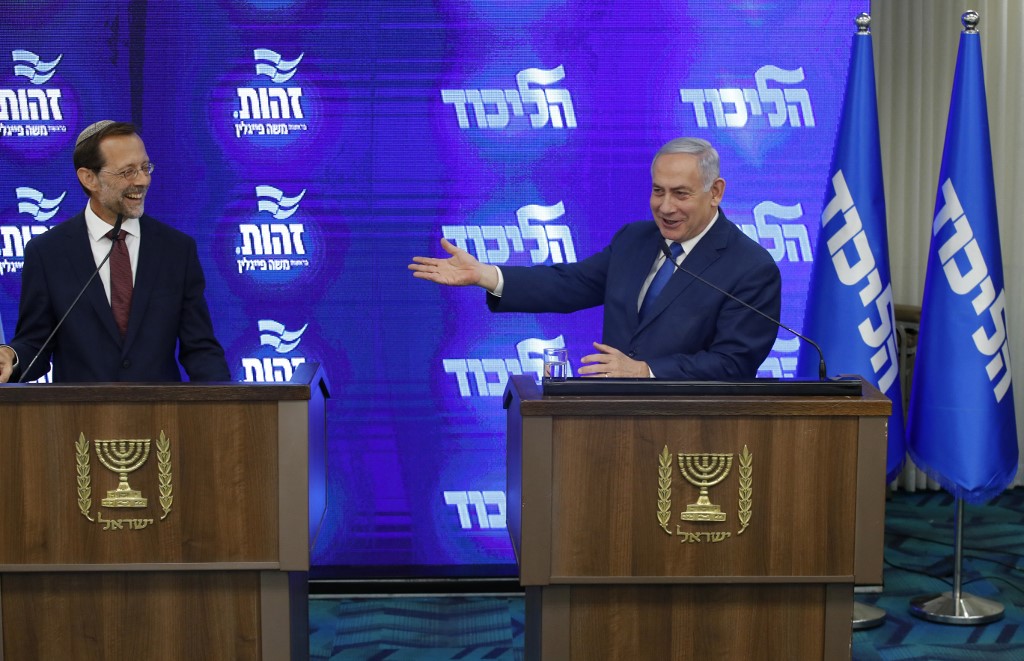
Ethnic cleansing describes a campaign to remove a particular ethnic or national population from a territory. The aim is usually to change who lives there permanently. It can involve forced displacement, violence, intimidation, destruction of homes, or other measures that make return impossible. It is a descriptive term, not a separate criminal charge in international law. The article presents Feiglin’s slogan as a direct example of this proposed pattern. “Expulsion” refers to removing Palestinians from Gaza. “Settlement” refers to establishing Israeli communities there. He said Gaza should be empty and advocated transferring all Arabs, while describing Gaza’s entire population as the enemy. The plan matters because it would target a whole population rather than only combatants. It would also replace the displaced residents with another group and permanently alter the territory’s ownership and political status. Whether particular acts meet legal definitions would depend on evidence and judicial findings, but the article clearly describes the intended population transfer and settlement.
Based on reporting by Middle East Eye
What does “ethnic cleansing” mean, and why would expelling a population while settling another group in its territory fit that definition?
Ethnic cleansing describes a campaign to remove a particular ethnic or national population from a territory. The aim is usually to change who lives there permanently. It can involve forced displacement, violence, intimidation, destruction of homes, or other measures that make return impossible. It is a descriptive term, not a separate criminal charge in international law.
The article presents Feiglin’s slogan as a direct example of this proposed pattern. “Expulsion” refers to removing Palestinians from Gaza. “Settlement” refers to establishing Israeli communities there. He said Gaza should be empty and advocated transferring all Arabs, while describing Gaza’s entire population as the enemy.
The plan matters because it would target a whole population rather than only combatants. It would also replace the displaced residents with another group and permanently alter the territory’s ownership and political status. Whether particular acts meet legal definitions would depend on evidence and judicial findings, but the article clearly describes the intended population transfer and settlement.
Who is Moshe Feiglin, and what political platform is he promoting with the slogan “Occupation. Expulsion. Settlement”?
Moshe Feiglin is an Israeli politician and chairman of the Zehut party. He served in the Knesset from 2013 to 2015 as a Likud member, then left Likud and established Zehut in 2015. He has built his political career around opposing a peace agreement with the Palestinians.
His campaign buses displayed the slogan “Occupation. Expulsion. Settlement.” Feiglin defended every word and said the signs would not be changed. He said his party would settle every inch of what he calls the Land of Israel. He has also advocated annexing the occupied West Bank and Gaza Strip and expelling Palestinians.
The platform therefore combines military control, forced population transfer, and permanent settlement. Feiglin recently signed an electoral agreement with Bezalel Smotrich to merge their parties into one bloc. The article says the alliance could help him return to parliament if it wins five to six seats in the 27 October elections.
How many people live in Gaza, and how many civilians—including children—would be affected by the proposed expulsion?
The article does not state Gaza’s population. Current widely used estimates place it at roughly 2.1 million people, but the exact number varies by source, date, and counting method. This figure is outside the article and should be treated as an estimate rather than a number supplied by the report.
The proposed expulsion would affect Gaza’s civilian population as a whole. Feiglin said he wanted to see Gaza empty and advocated transferring all Arabs. He specifically rejected limiting the label of enemy to Hamas, saying the entire population, including babies and children, was the enemy.
That means the proposed measure would reach roughly the territory’s entire population, including families and children. It would not be a narrowly targeted removal of combatants. The article provides no separate count of adults, children, or civilians, so those figures cannot be stated precisely from its evidence.
What would happen to Gaza’s residents, property, and political status if forced expulsion, permanent annexation, and settlement were carried out?
If carried out, forced expulsion would uproot Gaza’s residents from their homes and territory. Their homes, land, businesses, and community institutions could be abandoned, confiscated, destroyed, or transferred, depending on how the plan operated. Families would lose the ability to remain and potentially to return. The article describes the proposed population as including children and babies.
Permanent annexation would mean Israel claiming Gaza as part of its own sovereign territory, rather than treating it as a separate Palestinian territory. Settlement would then establish Israeli communities there. Together, these steps would change who controls the land, who can live there, and whose laws and political institutions apply.
The result would be a major demographic and political transformation. Gaza’s residents would be displaced, Palestinian claims to the territory would be denied, and Israeli control would become permanent. The article presents these as Feiglin’s aims; it does not report that they have been carried out.
What are the Gaza Strip and the West Bank, and why does Feiglin describe them as part of the “Land of Israel”?
The Gaza Strip is a narrow Palestinian territory on the eastern Mediterranean coast. The West Bank is a Palestinian territory east of Israel, including areas around Jerusalem and the Jordan Valley. Both are central to the Israeli-Palestinian conflict and have been subject to Israeli military occupation in different periods. These basic geographic and political descriptions are outside the article’s detailed account.
Feiglin uses “Land of Israel” as a territorial and ideological claim. The article says he wants to settle every inch of that land. He has advocated annexing both the occupied West Bank and Gaza Strip, rejecting a peace agreement with the Palestinians. His slogan links occupation, expulsion, and settlement.
That framing matters because it treats territories claimed by Palestinians as land reserved for Israeli control and settlement. It provides the stated rationale for permanent annexation and removing Palestinian residents. The article reports Feiglin’s position, but it does not establish that his interpretation is accepted by all Israelis or Palestinians.
How did the 1948 war, the 1967 war, and the rise of Hamas shape the Israeli-Palestinian conflict over Gaza?
The 1948 war created the unresolved territorial and refugee foundations of the conflict. Gaza came under Egyptian administration, while many Palestinians displaced from areas that became Israel ended up there. The conflict also left competing claims over Palestinian land and statehood. These historical points are outside the supplied article and draw on established historical accounts.
In the 1967 war, Israel captured and occupied Gaza and the West Bank. Israel later removed its settlements and permanent ground presence from Gaza in 2005, but the territory remained tied to the wider conflict. Hamas won Palestinian legislative elections in 2006 and took control of Gaza in 2007 after fighting with Fatah.
Hamas’s rule deepened the division between Gaza and the Palestinian Authority in the West Bank. Israel and Hamas then fought repeated conflicts, while Gaza faced severe restrictions and humanitarian pressures. Feiglin uses this history to argue for occupation, expulsion, and settlement, but his proposed solution would target Gaza’s entire population rather than only Hamas.
What do international humanitarian law and the laws of occupation say about targeting civilians, forcibly transferring populations, annexing occupied territory, and establishing settlements?
International humanitarian law requires parties to distinguish civilians from fighters and prohibits deliberately targeting civilians. It also bans forcible transfers or deportations of protected civilians, except in narrowly defined temporary security or imperative military situations. Collective punishment and attacks that disregard civilian life are prohibited. These rules apply regardless of a government’s political claims.
The law of occupation treats occupation as temporary control, not sovereignty. An occupying power may not simply annex occupied territory through force. The Fourth Geneva Convention also prohibits an occupying power from transferring parts of its own civilian population into occupied territory. Settlements and permanent demographic changes therefore raise serious legal violations.
Applied to the article, expelling Gaza’s population, annexing the territory, and settling Israelis there would conflict with these core rules. Calling civilians enemies would not remove their protections. Legal responsibility would depend on actual conduct, intent, evidence, and court findings; the article reports proposed policies and statements, not completed legal proceedings.
Key Facts:
📌 Ethnic cleansing seeks to remove a population from a territory.
📌 Feiglin’s slogan combines expulsion with settlement.
📌 He said Gaza should be empty.
📌 Feiglin chaired the Zehut party.
📌 He served in the Knesset from 2013 to 2015.
📌 His slogan was “Occupation. Expulsion. Settlement.”
📌 The article gives no population figure for Gaza.