News · Politics & Governance
Spain’s election: European failures and Sanchez’s calculation
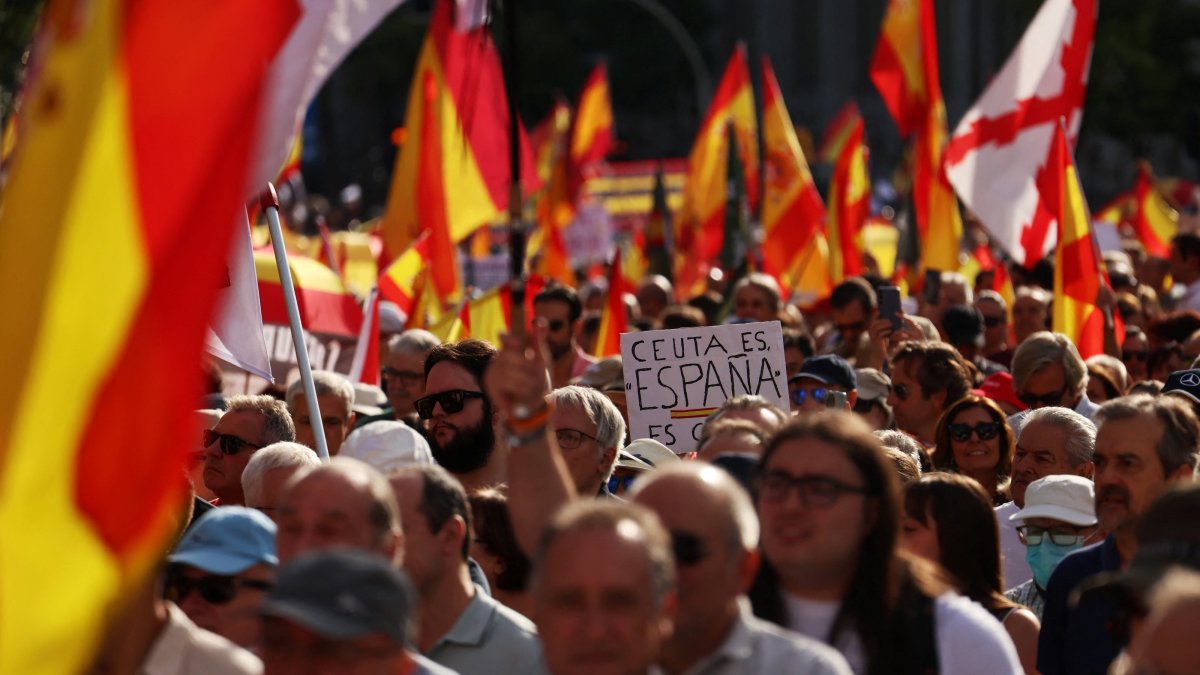
A snap election is an early vote called before the usual electoral timetable. It gives voters a chance to decide whether the current political direction should continue. In Spain, the early election emerged from a wider political crisis and growing public discontent. The article connects that crisis to several pressures. Tourism generated major revenue, but rapid growth helped turn homes into short-term accommodation. This worsened housing shortages and pushed residents out of urban centers. Citizens also faced higher energy and fuel prices, war-related costs, and concerns about migration policies. The vote therefore became more than a routine political event. It reflected anger about how wealth and costs were being distributed. The article presents Spain’s election as part of a broader European wave of unease. It does not give a single formal trigger beyond the political crisis and the call for an early election.
Based on reporting by Daily Sabah Turkey
What is a snap election, and why did Spain call one earlier than scheduled?
A snap election is an early vote called before the usual electoral timetable. It gives voters a chance to decide whether the current political direction should continue. In Spain, the early election emerged from a wider political crisis and growing public discontent.
The article connects that crisis to several pressures. Tourism generated major revenue, but rapid growth helped turn homes into short-term accommodation. This worsened housing shortages and pushed residents out of urban centers. Citizens also faced higher energy and fuel prices, war-related costs, and concerns about migration policies.
The vote therefore became more than a routine political event. It reflected anger about how wealth and costs were being distributed. The article presents Spain’s election as part of a broader European wave of unease. It does not give a single formal trigger beyond the political crisis and the call for an early election.
What political calculation was Pedro Sánchez making by calling the election, and how could the result affect his government?
Calling an early election is a political gamble because it turns public dissatisfaction into an immediate test of government support. In Spain, Pedro Sanchez faced pressure connected to housing, tourism, war costs, energy prices, migration, and defense spending. The article does not state his private calculation or predict a precise result.
The likely political mechanism is clear from the article’s framing. An election can seek a fresh mandate while allowing voters to judge how wealth and burdens have been managed. Tourism brought significant revenue, but investors benefited while residents faced expensive housing and displacement. Sanchez also opposed imposing higher NATO spending on citizens he said could not afford it.
The result could reshape Spain’s government and policy priorities. A stronger mandate might support the existing direction. A weaker result could increase pressure for changes on tourism, housing, migration, war policy, or defense spending. The article gives no expected seat totals.
How important is tourism to Spain's economy, and how widespread has the resulting housing pressure become?
Tourism is central to Spain’s economy because the country has successfully turned its tourism potential into significant revenue. Spain is described as one of the world’s most popular tourism destinations. Yet economic success has exposed a capacity problem: infrastructure and housing did not keep pace with rapid visitor growth.
The key mechanism is the conversion of homes into short-term tourist accommodation. This reduced the supply of long-term housing and made remaining real estate excessively expensive. Local workers, including blue- and white-collar employees, were increasingly priced out of urban centers. Institutional investors continued receiving major dividends from the tourism brand.
The pressure is not limited to one neighborhood or city. Major Spanish cities became increasingly unaffordable for average local incomes, while tourist hubs turned into places of daily struggle for residents. The article says similar pressures are appearing across Europe, suggesting Spain’s conflict may be repeated in other major destinations.
What happens to local residents and neighborhood life when homes are converted from long-term housing into short-term tourist rentals?
When residential homes become short-term tourist rentals, fewer homes remain available to people who live and work locally. This creates a structural shortage of long-term housing. Prices then rise, making it harder for residents to meet basic housing needs or remain in urban centers.
The article describes a clear chain of effects. Tourist accommodation replaces residential use, and remaining real estate becomes excessively expensive. Blue- and white-collar workers are priced out while institutional investors continue receiving tourism dividends. Urban economies also shift toward tourist consumption, rather than serving average local incomes and everyday needs.
The damage extends beyond rent. Neighborhood culture and social cohesion visibly weaken. Tourist hubs become places of daily struggle and alienation for inhabitants. The accumulated anger is beginning to spill over into politics. Because other European destinations face similar housing and tourism pressures, the article expects this pattern to spread.
Why are European governments struggling to balance the costs of supporting Ukraine and increasing defense spending with the economic pressures facing households?
European governments are balancing two competing demands. They support Ukraine and Ukrainian refugees while also responding to security pressures and increased NATO spending. At the same time, households face rising natural gas and fuel prices and broader economic strain. This makes government decisions feel costly and distant.
The article identifies several direct costs. Europe provides financial support for Ukraine, while sanctions against Russia have especially affected energy markets. Greek Prime Minister Kyriakos Mitsotakis questioned why Greek citizens should bear the cost of a war in which Greece is not directly involved. Spain’s Pedro Sanchez said his people could not afford increased NATO spending.
The political problem is a growing disconnect between the war economy and states, and between governments and citizens’ economic realities. If spending continues without a peace strategy or relief from household pressure, public discontent may deepen. The article presents Spain’s election as part of this broader European unease.
Why do tourism and labor shortages make migrant workers economically necessary while some far-right parties portray migration as a security threat?
Tourism does not only create hotel or restaurant jobs. As the sector expands, it also increases demand for food, agriculture, cleaning, construction, transportation, fuel, and textiles. Europe’s existing labor force is not sufficient to meet this wider demand. Migrant workers therefore become economically necessary in many sectors.
The mechanism is tourism’s role as a locomotive for broader economic activity. More visitors require more services, supplies, buildings, transport, and workers. Countries already facing labor shortages need additional people to fill these positions. The article says this reality is beginning to be recognized by some European policymakers.
This creates a political contradiction. States promote tourism to generate economic gains, but that growth requires increased migration. The article’s opening also identifies the growing influence of the far-right as a source of political unease, though it does not provide a specific far-right party or policy example. The tension may sharpen debates over labor needs and migration.
What is an economic externality, and how does it explain a system in which investors receive tourism profits while residents bear costs such as higher rents, congestion, and displacement?
An economic externality occurs when an activity affects people who are not fully included in its price or decision. Tourism can create income for investors and businesses while shifting costs onto residents. Those costs may include higher rents, reduced housing supply, congestion, and displacement. The result is private gain alongside public harm.
Spain illustrates this mechanism through short-term rentals. Homes are converted from long-term housing into tourist accommodation. Investors continue receiving significant dividends, but local workers face a structural housing shortage and increasingly expensive real estate. Cities also pivot toward tourist consumption, making everyday life less affordable for people on average local incomes.
The external costs then spread through neighborhood life. Residents lose access to housing, while culture and social cohesion weaken. Tourist hubs become sites of struggle and alienation. The article presents this imbalance as a source of mounting anger in Spain and warns that similar pressures could appear in other European destinations.
Key Facts:
📌 A snap election is held earlier than the normal electoral schedule.
📌 Spain’s early election followed a wider political crisis.
📌 Housing, war costs, and migration fueled public discontent.
📌 Pedro Sanchez said Spanish citizens could not afford increased NATO spending.
📌 The article does not state Sanchez’s private electoral calculation.
📌 Election results could reshape Spain’s political direction.
📌 Spain is one of the world’s most popular tourism destinations.