News · International Relations
UK imposes new sanctions on Russia’s oil, shadow fleet, war supply chains
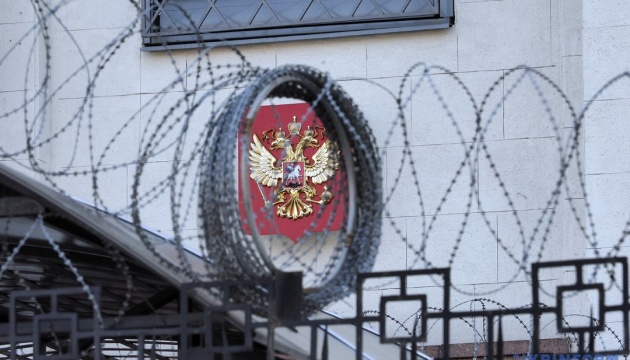
The UK introduced sanctions against 38 legal entities and individuals linked to Russia’s oil trade, military supply chains, and financial networks. Zarubezhneft and INK Capital were added, making Britain the first G7 country to sanction Russia’s four largest oil companies. The measures now cover more than 90% of Russia’s oil production capacity. The package adds 12 oil tankers, bringing sanctioned shadow-fleet vessels above 600. It also targets companies and people supplying Common High Priority goods, including machine tools, electronics, and materials for missiles, drones, and other military equipment. Three cryptocurrency exchanges, two payment platforms, and a related individual were sanctioned as well. The UK says these steps aim to reduce Russia’s oil income and disrupt routes around sanctions. Two financial entities processed transactions through the Kremlin-backed A7 network, which handled more than $90 billion last year. The broader goal is to weaken the war budget and make oil harder to disguise.
Based on reporting by Ukrinform English
What new sanctions has the UK imposed on Russia’s oil companies, tankers, war-supply networks, and financial firms?
The UK introduced sanctions against 38 legal entities and individuals linked to Russia’s oil trade, military supply chains, and financial networks. Zarubezhneft and INK Capital were added, making Britain the first G7 country to sanction Russia’s four largest oil companies. The measures now cover more than 90% of Russia’s oil production capacity.
The package adds 12 oil tankers, bringing sanctioned shadow-fleet vessels above 600. It also targets companies and people supplying Common High Priority goods, including machine tools, electronics, and materials for missiles, drones, and other military equipment. Three cryptocurrency exchanges, two payment platforms, and a related individual were sanctioned as well.
The UK says these steps aim to reduce Russia’s oil income and disrupt routes around sanctions. Two financial entities processed transactions through the Kremlin-backed A7 network, which handled more than $90 billion last year. The broader goal is to weaken the war budget and make oil harder to disguise.
What is Russia’s “shadow fleet,” and how does it help transport oil while avoiding sanctions?
Russia’s “shadow fleet” refers here to vessels used to transport Russian oil while circumventing sanctions. The fleet is not presented as a formal organisation. Instead, it is a network of ships that supports oil deliveries through practices designed to make their activity harder to trace or restrict.
The Foreign Office says these vessels can use deceptive practices and false flags. A false flag can make a ship appear connected to another country or operator. The UK’s sanctions also target vessels and other actors facilitating the supply chain, not only ships already at sea. This approach addresses the wider transport system behind the oil trade.
The UK has added 12 more tankers, taking the number of sanctioned Russian shadow-fleet vessels above 600. The stated aim is to make it harder for major Russian oil companies to rebadge oil under an unsanctioned entity. Enforcement therefore focuses on ships, supply routes, and supporting companies.
How large is the UK’s sanctions coverage—what does it mean to target more than 90% of Russia’s oil production capacity and over 600 vessels?
More than 90% coverage means UK sanctions now include companies responsible for most of Russia’s stated oil production capacity. The Foreign Office described Britain as the first G7 country to sanction Russia’s four largest oil companies. This gives the measures broad reach across the production side of the oil trade.
The transport side is also extensive. After 12 more tankers were added, more than 600 Russian shadow-fleet vessels were under UK sanctions. These ships are accused of moving Russian oil around sanctions, including through deceptive practices and false flags. The UK also targets supply-chain participants that help transport the oil.
These figures do not state how much oil has already been stopped or how much revenue Russia has lost. They show the scale of the restrictions and the number of routes under scrutiny. If enforced effectively, the coverage could make oil financing and transportation more difficult, especially when producers and vessels are both targeted.
What are Common High Priority goods, and why are machine tools, electronics, and materials important for producing missiles and drones?
Common High Priority goods are the machine tools, electronics, and materials identified in the article as important to Russia’s military production. The UK says these goods are needed to manufacture ballistic missiles, drones, and other military equipment. Their importance comes from their role in making or assembling weapons and related systems.
The latest UK measures sanction 17 more legal entities and individuals connected with supplying these goods to Russia. The article does not list specific models or quantities. It identifies broad categories of industrial and electronic inputs that support the production of military equipment. Restricting suppliers aims to interrupt access to those inputs.
The UK says Russia obtains some of these goods through third countries. That means the supply route may pass through countries other than Russia before the goods reach Russian users. By sanctioning people and entities involved in those transactions, Britain says it is trying to close routes that help Russia equip its war effort.
How does Russia obtain restricted military and industrial goods through third countries, and who can be held responsible for helping those shipments?
The article says Russia obtains some Common High Priority goods through third countries. In this context, a third country is a country outside the direct Russia-to-supplier route. Goods can therefore reach Russian users through intermediaries or companies located elsewhere. The article does not identify those countries or describe every transaction route.
The UK says it is identifying the people and entities involved and taking appropriate action. Its latest measures sanction 17 legal entities and individuals for supplying goods such as machine tools, electronics, and materials. These inputs are needed to manufacture ballistic missiles, drones, and other military equipment.
Responsibility can therefore extend beyond Russian manufacturers. Suppliers, intermediaries, and other entities helping route the goods may be targeted under the UK’s approach. The stated purpose is to disrupt supply chains that help Russia obtain military and industrial inputs despite restrictions. The article does not say that every third-country shipment is sanctioned.
What could happen to Russia’s oil revenue, military production, and ability to fund the war if these sanctions are effectively enforced?
The sanctions are designed to restrict money and materials that support Russia’s war. Oil is central to the measures because the UK says sanctioned companies account for more than 90% of Russia’s oil production capacity. The government also targets ships and financial services that help move or process oil payments.
If enforcement works, Russian oil companies may find it harder to transport or disguise their oil, and financial networks may face fewer ways to process related transactions. Restrictions on machine tools, electronics, and materials could also make it harder to obtain inputs for missiles, drones, and other military equipment. These are intended effects, not results confirmed in the article.
The UK says the package aims to weaken the Kremlin’s war budget and cut routes used to circumvent sanctions. Its impact will depend on whether sanctioned companies, vessels, suppliers, and financial platforms can still operate through alternative routes. The article provides no measured estimate of lost revenue or reduced production.
How do sanctions work in practice—through restrictions on shipping, insurance, payments, companies, and access to international markets—and why can they be difficult to enforce?
In practice, sanctions can block named companies and people from specified markets or transactions. They can also restrict ships, financial platforms, and goods linked to Russia’s war supply chains. The UK’s package illustrates this approach by targeting oil producers, tankers, cryptocurrency exchanges, payment platforms, and suppliers of military inputs. Such measures can limit access to international trade and finance.
Shipping restrictions may affect vessels and supporting supply chains. Financial restrictions can disrupt payment processing, while controls on goods can limit access to industrial and electronic inputs. The article specifically identifies false flags, deceptive practices, third-country routes, and the A7 financial network as ways used to circumvent restrictions.
Enforcement is difficult because activity can be spread across ships, companies, countries, and payment systems. The UK says it is identifying those involved and sanctioning them. Its challenge is to keep finding the entities and routes that help Russian oil, money, and military supplies move around the sanctions regime.
Key Facts:
📌 UK sanctions now cover more than 90% of Russia’s oil production capacity.
📌 More than 600 Russian shadow-fleet vessels face UK sanctions.
📌 Three cryptocurrency exchanges and two payment platforms were sanctioned.
📌 Shadow-fleet vessels transport Russian oil while helping circumvent sanctions.
📌 The Foreign Office cites deceptive practices and false flags.
📌 UK sanctions now cover more than 600 Russian shadow-fleet vessels.
📌 UK sanctions cover more than 90% of Russia’s oil production capacity.