News · Politics & Governance
Maduro and wife Flores charged in US over alleged torture
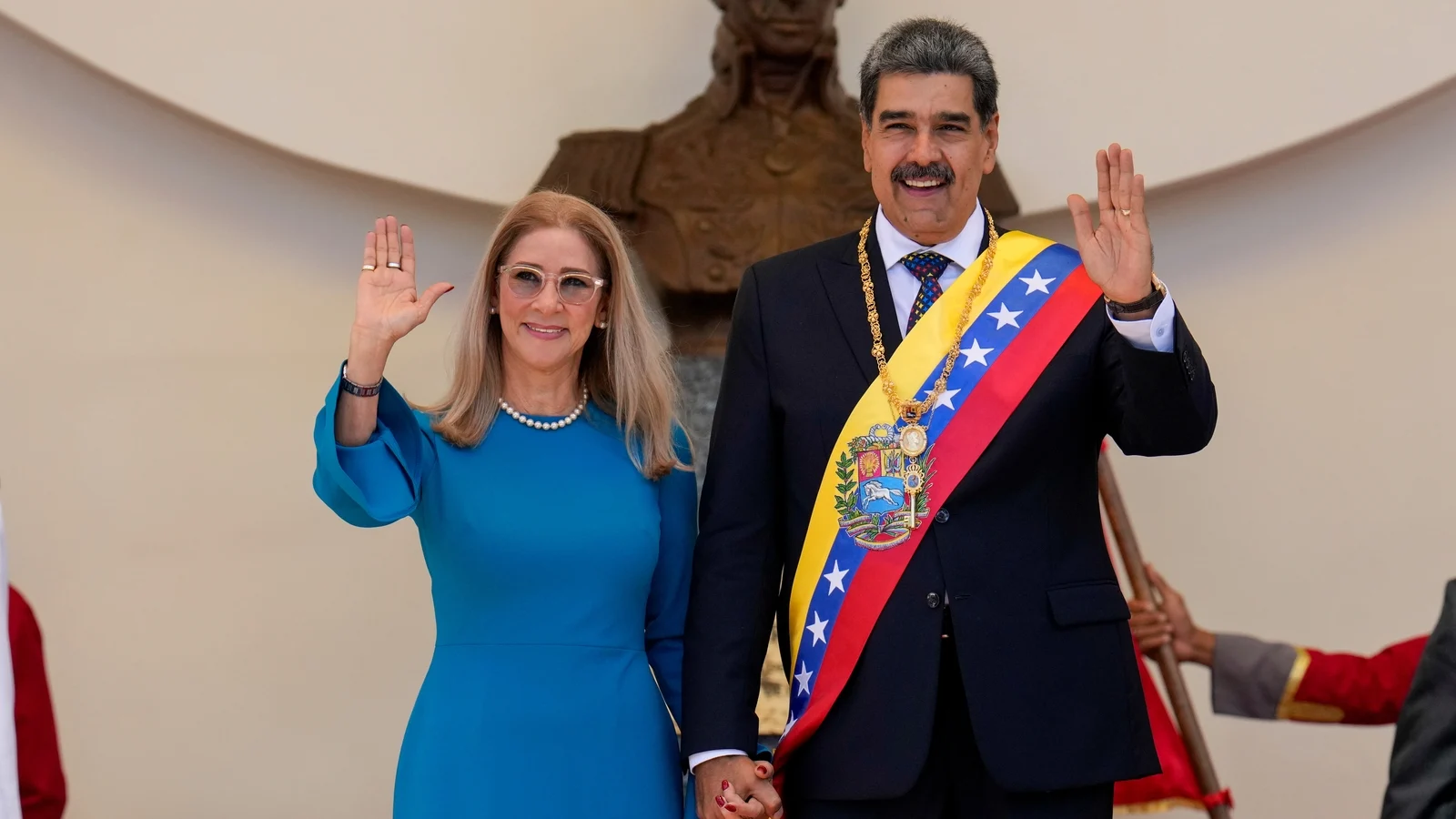
Conspiracy to commit torture is an accusation that people agreed to help plan, direct, enable, or conceal torture. It differs from personally carrying out torture because a conspiracy charge can apply even when the accused did not deliver the beatings or electric shocks themselves. The government must still prove the alleged agreement and the accused’s knowing involvement. In this case, prosecutors added the charge against Nicolas Maduro and Cilia Flores. The indictment alleges that Maduro ordered a military officer’s arrest and that counterintelligence officers then tortured him. It also alleges torture of an American detainee in 2022. The article does not specify what role Flores allegedly played in those incidents. The charge is only an allegation at this stage. Maduro and Flores previously pleaded not guilty to drug charges, and their trial is scheduled for 1 June 2027. A conviction would require proof in court, not merely claims in the indictment.
Based on reporting by RTE Ireland
What does “conspiracy to commit torture” mean, and how is it different from personally carrying out torture?
Conspiracy to commit torture is an accusation that people agreed to help plan, direct, enable, or conceal torture. It differs from personally carrying out torture because a conspiracy charge can apply even when the accused did not deliver the beatings or electric shocks themselves. The government must still prove the alleged agreement and the accused’s knowing involvement.
In this case, prosecutors added the charge against Nicolas Maduro and Cilia Flores. The indictment alleges that Maduro ordered a military officer’s arrest and that counterintelligence officers then tortured him. It also alleges torture of an American detainee in 2022. The article does not specify what role Flores allegedly played in those incidents.
The charge is only an allegation at this stage. Maduro and Flores previously pleaded not guilty to drug charges, and their trial is scheduled for 1 June 2027. A conviction would require proof in court, not merely claims in the indictment.
What acts of torture do US prosecutors allege were carried out against the Venezuelan military officer and the American detainee?
US prosecutors allege two episodes of torture by Venezuela’s military counterintelligence officers. The first involved a Venezuelan military officer whom Maduro allegedly ordered arrested in 2013 because he suspected the officer of planning a coup. The second involved an American citizen detained while entering Venezuela in 2022.
According to the indictment, officers placed a live electric wire on the Venezuelan officer about 20 times. They also hung him by his hands and feet for several minutes at a time. In the other case, officers allegedly beat the American detainee and used electric shocks on the person’s arms, legs, and genitals. These descriptions come from prosecutors’ allegations.
The new torture-conspiracy count concerns these alleged abuses. The article does not report a verdict or establish that the incidents were proven in court. Maduro and Flores remain defendants, and their trial is scheduled for 1 June 2027.
Who are Nicolas Maduro and Cilia Flores, what positions did they hold in Venezuela, and what other charges do they face?
Nicolas Maduro is described as Venezuela’s ousted socialist president, having held power for 13 years. Cilia Flores, his wife, previously served as Venezuela’s attorney general and led its National Assembly before becoming first lady. Both are now in US custody after being captured in Caracas and brought to New York.
The article says Maduro and Flores were initially charged with drug offenses. Prosecutors accuse Flores of taking hundreds of thousands of dollars in bribes from a large drug trafficker. A superseding indictment added one count of conspiracy to commit torture against both defendants, linking the case to alleged abuses by Venezuelan military counterintelligence officers.
They pleaded not guilty to the drug charges and are held at Brooklyn’s Metropolitan Detention Center. The article does not report pleas to the new torture count. Their trial is scheduled for 1 June 2027, so the allegations remain unresolved.
Why did the judge deny Cilia Flores bail, and what does that decision mean for her before trial?
Judge Alvin Hellerstein denied Cilia Flores’ request for release before trial. Her lawyers cited the need for a cardiac procedure and recovery in a more comfortable setting. They proposed a New York-area residence with round-the-clock private security and argued that Flores was not dangerous.
The judge said the evidence against her appeared strong. Prosecutors argued that she had received adequate medical care at the detention centre and would pose an extreme flight risk and danger to the public if released. They also raised the possibility of witness intimidation. Hellerstein said Flores appeared relatively healthy in court, though she was still bandaged from the military invasion.
The decision means Flores stays detained before her trial, which is scheduled for 1 June 2027. It does not decide whether she is guilty and does not change her possible punishment. If convicted, she faces a mandatory minimum 40-year sentence.
How serious are the potential legal consequences, including the mandatory minimum 40-year sentence and the 1 June 2027 trial date?
The potential consequences are severe because the article states that Cilia Flores faces a mandatory minimum sentence of 40 years if convicted. “Mandatory minimum” means the court cannot impose a sentence below that statutory floor for the relevant offense. The article does not state the maximum sentence or describe the exact sentencing rules for Maduro.
The case also carries major pretrial consequences. Flores was denied bail and remains at Brooklyn’s Metropolitan Detention Center. Prosecutors argued that release could create an extreme flight risk, danger to the public, or a risk of witness intimidation. The judge’s bail decision does not itself establish guilt.
The trial is scheduled for 1 June 2027. Until then, the torture and drug allegations remain accusations that must be tested in court. The added charge increases the legal scope of the prosecution, while the stated 40-year minimum shows the stakes if Flores is convicted.
What is a superseding indictment, and why can prosecutors add new charges before a trial begins?
A superseding indictment is a later charging document that replaces or expands an earlier indictment in the same case. It can correct allegations, add defendants or counts, or present new information. It is not a conviction. It tells the defendants and the court what charges prosecutors will pursue.
Here, prosecutors filed one in Manhattan federal court and added conspiracy to commit torture to the drug charges already facing Maduro and Flores. The article connects the new count to allegations involving a Venezuelan military officer in 2013 and an American detainee in 2022. Those allegations broaden the case beyond drug offenses.
Before trial, prosecutors can generally ask to update charges when the law and court procedure allow it. The judge must protect defendants’ rights, including adequate notice and a fair chance to respond. The article does not explain the specific legal procedure used here or report any challenge to the superseding indictment.
Why is torture prohibited under international law and most national legal systems, including when it is carried out by government security forces?
International law and most national legal systems prohibit torture because it deliberately inflicts severe physical or mental suffering. It violates human dignity and basic protections against cruel treatment. It can also make investigations unreliable, since people may say anything to stop extreme pain. The prohibition is treated as especially important when officials control a person’s freedom.
Government security forces are not exempt because they act for the state. Their authority creates a heightened duty to protect detainees, not abuse them. In the allegations described here, officers reportedly used electric shocks, beatings, and suspension while people were detained or under state control. Such conduct is the kind of abuse these legal prohibitions are designed to prevent.
The article reports charges, not findings of guilt. It says prosecutors added a torture-conspiracy count against Maduro and Flores, while the alleged acts were carried out by military counterintelligence officers. The trial is scheduled for 1 June 2027, when the allegations can be tested in court.
Key Facts:
📌 The new charge alleges an agreement connected to torture.
📌 Personally carrying out torture is different from allegedly helping coordinate it.
📌 The article does not specify Flores’ alleged role in the incidents.
📌 The Venezuelan officer was allegedly shocked about 20 times.
📌 Officers allegedly hung the officer by hands and feet.
📌 The American detainee was allegedly beaten and shocked on several body parts.
📌 Maduro was Venezuela’s president for 13 years.