News · Defence & Security
Could Germany join GCAP? UK ‘seeks to progress’ the potential switch
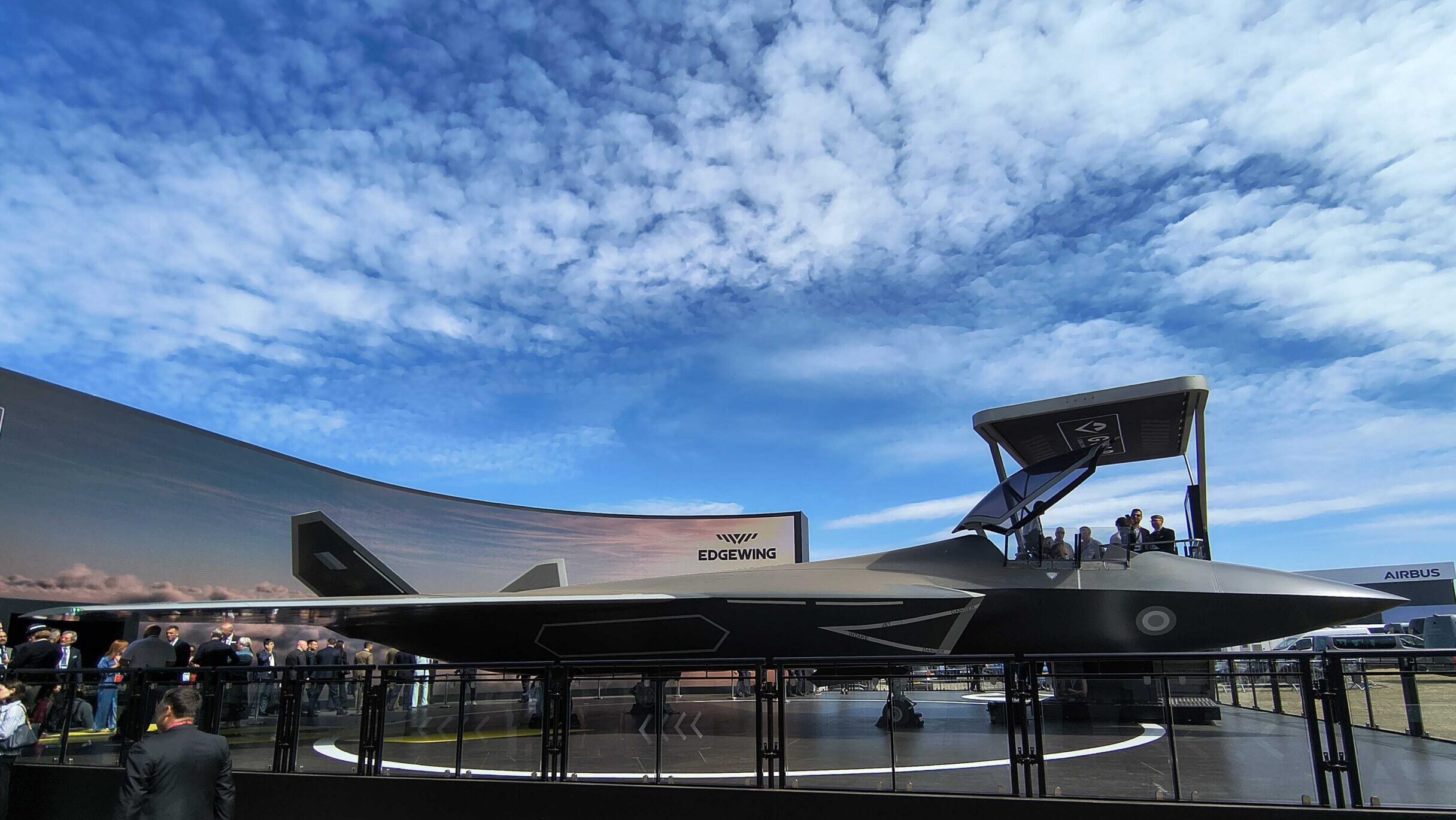
The Global Combat Air Programme (GCAP) is a joint British, Italian, and Japanese effort to develop a next-generation fighter. It matters because the aircraft is designed to replace British and Italian Eurofighter Typhoons and Japan’s F-2s. The future fighter will also work with “loyal wingmen” drones and a combat cloud communications network. These elements are intended to connect the crewed aircraft with uncrewed partners and share information across the force. Currently, the full partners are the United Kingdom, Italy, and Japan. Canada joined as an observer in July, giving it a working understanding of the programme, but not full membership. Germany is exploring entry after its rival FCAS effort collapsed, and any addition could strengthen industry while risking delays to the planned 2035 service date.
Based on reporting by Breaking Defense
What is the Global Combat Air Programme (GCAP), and which countries currently participate in it?
The Global Combat Air Programme (GCAP) is a joint British, Italian, and Japanese effort to develop a next-generation fighter. It matters because the aircraft is designed to replace British and Italian Eurofighter Typhoons and Japan’s F-2s.
The future fighter will also work with “loyal wingmen” drones and a combat cloud communications network. These elements are intended to connect the crewed aircraft with uncrewed partners and share information across the force.
Currently, the full partners are the United Kingdom, Italy, and Japan. Canada joined as an observer in July, giving it a working understanding of the programme, but not full membership. Germany is exploring entry after its rival FCAS effort collapsed, and any addition could strengthen industry while risking delays to the planned 2035 service date.
What exactly is Germany considering, and why would joining GCAP change the program?
Germany is considering joining GCAP rather than creating a separate fighter project with Airbus. It is not a final decision. Berlin is discussing the option with Britain and GCAP’s existing partners, Italy and Japan now.
Germany’s earlier FCAS partnership with France and Spain collapsed this summer after industrial disputes. Officials then weighed a new Airbus-led program against joining GCAP. Leonardo executive Lorenzo Mariani supports Germany’s industrial strength, but warns new industries could disrupt work and delay delivery.
GCAP currently unites Britain, Italy, and Japan, while Canada joined as an observer in July. That status lets Canada learn the program before possibly becoming a full industrial partner. The aircraft targets 2035 service entry, replacing British and Italian Eurofighters and Japan’s F-2s.
How many countries and major aircraft types would GCAP involve if Germany joined?
If Germany joined, GCAP would involve four countries: the UK, Italy, Japan, and Germany. The program is a next-generation fighter effort designed to replace older combat aircraft. Its expansion would reshape cooperation after Germany’s rival European fighter project collapsed.
Specifically, GCAP is slated to replace British and Italian Eurofighter Typhoons, plus Japanese F-2 combat aircraft. The future fighter would also work with loyal wingman drones and a combat-cloud communications network. Germany could add industrial strength, but new partners might slow development.
Today, GCAP has three full partners, while Canada is only an observer. Germany and Britain now say they are working to advance possible German participation. Leonardo’s Lorenzo Mariani welcomed Germany’s industrial contribution, but warned disruption could threaten the 2035 service-entry target.
What other choices does Germany have besides joining GCAP?
Germany is not limited to joining GCAP. It could pursue a new fighter project led by Airbus, giving Berlin another route after its earlier partnership collapsed.
German officials said they were weighing a brand-new project led by Airbus, the FCAS developer. This would create a separate effort rather than add German industries to the existing British, Italian, and Japanese program.
That choice remains under discussion because FCAS collapsed this summer amid industrial disputes. GCAP already includes Canada as an observer, but Germany has not joined. Leonardo’s chief warned that another industrial group could cause delays, threatening the planned 2035 service-entry date.
What could Germany joining GCAP mean for the program's industries, schedule, and planned 2035 service-entry date?
Germany joining GCAP could strengthen the program with another major industrial partner. But it could also complicate coordination and threaten momentum toward the planned 2035 service-entry date. GCAP aims to replace British and Italian Eurofighter Typhoons and Japan’s F-2 aircraft.
In July, Leonardo CEO Lorenzo Mariani called Germany a strong industrial partner. However, he warned that another nation and group of industries could produce delays, while partners remain committed to entering service in 2035. This shows the main mechanism: adding capabilities may bring benefits, but requires more companies to coordinate their work.
The latest development is political, not final membership. UK Prime Minister Andy Burnham said Britain and Germany are working “to progress” the possibility, while Italy and Japan remain partners. Canada joined as an observer in July, showing another route toward deeper involvement. No revised timetable is reported, so 2035 remains the target, though Germany’s entry could create schedule pressure.
What is a next-generation combat-air system, and how do fighter aircraft, loyal-wingman drones, and combat-cloud networks work together?
A next-generation combat-air system is a connected force, not simply a new jet. It combines a crewed fighter with uncrewed “loyal wingmen” and a combat cloud that shares information. This teamwork can extend reach, improve awareness, and coordinate missions faster.
GCAP offers a concrete example. The United Kingdom, Italy, and Japan are developing a future fighter to replace British and Italian Eurofighter Typhoons and Japanese F-2s. Its pilot could receive information through the combat cloud, while drones scout, carry sensors, or support attacks. The network helps distribute tasks across the wider team.
Today, GCAP targets service entry in 2035, but Germany may join after its rival FCAS effort collapsed. Canada became an observer in July, learning how the program works before possibly becoming a full industrial partner. Leonardo warned that Germany could add industrial strength, yet also create delays. Expansion offers more capability and resources, but partners must protect the schedule and integrate their systems.
Key Facts:
📌 Full partners: United Kingdom, Italy, and Japan.
📌 Canada became an observer in July, not a full partner.
📌 GCAP’s fighter is planned to enter service in 2035.
📌 Germany’s FCAS partnership with France and Spain collapsed after industrial disputes.
📌 GCAP aims to enter service in 2035 and replace three fighter fleets.
📌 Canada joined GCAP as an observer in July, potentially becoming a full partner.
📌 Germany would make GCAP a four-country program.