News · Politics & Governance
Bwala admits Tinubu’s Reforms Pushed More Nigerians Into Poverty
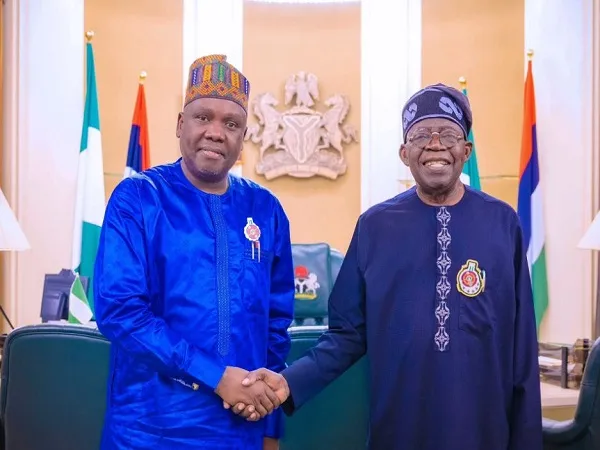
Daniel Bwala acknowledged that the administration’s reforms pushed more Nigerians into poverty. His admission matters because it recognises the immediate human cost behind the government’s claim of economic progress. He linked the hardship directly to the restructuring rather than treating rising poverty as a separate issue. The reforms included removing the petrol subsidy and changing foreign-exchange arrangements. These steps increased transportation, food, energy and other living costs for many households. Bwala said discomfort was unavoidable when such major reforms began, while arguing that the country’s economic position had improved since then. The article presents a mixed picture. The World Bank and IMF recognised stronger macroeconomic conditions but warned that poverty, food insecurity and living standards remained serious concerns. The government points to higher revenues and support programmes, but Bwala’s admission shows that reducing poverty remains an unfinished task.
Based on reporting by Daily Trust
What did Daniel Bwala admit about the effect of Tinubu’s economic reforms on poverty in Nigeria?
Daniel Bwala acknowledged that the administration’s reforms pushed more Nigerians into poverty. His admission matters because it recognises the immediate human cost behind the government’s claim of economic progress. He linked the hardship directly to the restructuring rather than treating rising poverty as a separate issue.
The reforms included removing the petrol subsidy and changing foreign-exchange arrangements. These steps increased transportation, food, energy and other living costs for many households. Bwala said discomfort was unavoidable when such major reforms began, while arguing that the country’s economic position had improved since then.
The article presents a mixed picture. The World Bank and IMF recognised stronger macroeconomic conditions but warned that poverty, food insecurity and living standards remained serious concerns. The government points to higher revenues and support programmes, but Bwala’s admission shows that reducing poverty remains an unfinished task.
What are petrol-subsidy removal and foreign-exchange reforms, and what changes did they make to Nigeria’s economy?
Petrol-subsidy removal means the government stops paying part of the fuel cost so consumers can buy petrol below its full market cost. Foreign-exchange reforms change how access to foreign currency and the naira’s value are managed. In Nigeria, the measures formed part of a wider economic restructuring programme intended to address fiscal and structural weaknesses.
The immediate mechanism was higher costs. Ending the subsidy contributed to more expensive transportation and energy. Foreign-exchange changes led to naira depreciation, which increased the local cost of imported goods and affected food and other necessities. The administration also reported increased Federation Account revenues after subsidy savings.
The reforms improved some macroeconomic measures, according to the World Bank and IMF. They also created substantial pressure for households and businesses. The central question now is whether stronger public finances and economic stability will produce higher incomes, jobs, lower poverty and better living standards.
How large is the poverty problem described in the article, and how many Nigerians or households have been affected?
The poverty problem is described as large and worsening, but the article does not provide an exact number of poor Nigerians or affected households. It reports that the World Bank estimated Nigeria’s poverty rate had risen substantially over the preceding years. It also says the increase was measured in 2025 and that millions had not yet seen better living standards.
The article connects poverty with higher transport, food and energy costs after the reforms. Daniel Bwala admitted that more people went into poverty. The IMF likewise identified poverty and food insecurity as significant challenges. These statements show that the issue reaches beyond a small group and affects households across the country.
The timing is contested. The World Bank noted that much of the increase occurred before Tinubu’s administration took office in 2023. Even so, the government accepts poverty reduction as unfinished, while arguing that current reforms and intervention programmes can eventually improve household welfare.
How did the reforms affect the prices of transport, food, energy and other necessities?
The reforms increased the cost of daily life for many Nigerians. Removing the petrol subsidy made fuel costs more directly visible in prices. Foreign-exchange reform and naira depreciation also raised the local cost of goods and inputs linked to foreign currency. These changes mattered because transport and energy costs influence what households pay for food and other essentials.
A practical example is transportation. More expensive petrol can raise fares for buses and other vehicles. Higher transport costs then affect the movement of farm produce and shop goods, adding pressure to food prices. Energy costs can also increase the expenses faced by households and businesses. The article says these pressures affected transportation, food, energy and other living costs.
The result was a sharp difference between macroeconomic progress and household experience. The World Bank and IMF recognised improved stability, but warned that living standards and food security remained weak. Government support programmes are intended to reduce this burden, although poverty remains unresolved.
Why did the Federal Government say these reforms were necessary, and what economic problems were they intended to fix?
The government presented the reforms as a response to deep weaknesses inherited in 2023. It said the petrol subsidy placed pressure on public finances and that the broader economy contained longstanding distortions. Reform, in this view, was needed to create a more stable fiscal and economic foundation, even if households faced short-term discomfort.
The main mechanism was removing the subsidy and redirecting the savings. President Tinubu argued that continuing the subsidy would leave government with fewer resources for infrastructure, social services and development. The administration also pointed to increased Federation Account revenues after the subsidy ended. Foreign-exchange reforms were intended to address related economic distortions and improve macroeconomic stability.
The World Bank and IMF recognised stronger external balances, improved fiscal conditions and continued growth. However, both also warned that these gains had not sufficiently improved living standards. The government therefore faces the challenge of converting stability and increased revenues into jobs, incomes, lower poverty and stronger social protection.
What government programmes were introduced to cushion households from the reforms’ effects?
The government introduced several measures to soften the immediate impact of economic reforms. These include social intervention programmes, student loans, consumer credit initiatives, agricultural support and a CNG transportation scheme. They matter because reforms can raise prices quickly, while better jobs, incomes and broader economic gains take longer to reach households.
Each programme targets a different pressure. Student loans aim to support access to education. Consumer credit can help people manage purchases. Agricultural support is intended to assist production, while CNG transport is presented as a way to cushion transportation costs. The article does not provide figures for how many people each programme has reached or how much support was delivered.
The measures are part of a wider effort to turn macroeconomic improvement into household relief. The World Bank and IMF said stability had improved but poverty and food insecurity remained serious. The government must therefore show that these interventions can reduce hardship while reforms continue.
Why can a country’s macroeconomic indicators improve while many people’s living standards and access to food remain poor?
Macroeconomic indicators describe broad national conditions, such as external balances, fiscal health and economic growth. Living standards describe what people experience directly, including their ability to afford food, transport, energy and other necessities. These measures can move in different directions because national stability does not instantly increase household incomes or reduce prices.
In Nigeria, the reforms improved some macroeconomic conditions, according to the World Bank and IMF. However, removing the petrol subsidy and allowing the naira to depreciate increased transportation, food and energy costs. Households therefore faced higher expenses even as government revenues and external balances improved. Food insecurity can remain serious when incomes do not keep pace with those costs.
This gap explains the debate over the reforms. The government and some economists say the measures corrected longstanding distortions. Critics focus on adjustment costs and poverty. The longer-term test is whether stability produces jobs, higher incomes, lower poverty and improved living standards for millions.
Key Facts:
📌 Bwala admitted that more Nigerians entered poverty after the reforms began.
📌 He still described Nigeria’s progress since the reforms as “marked.”
📌 The government acknowledges poverty reduction remains an unfinished task.
📌 Subsidy removal contributed to higher transportation and energy costs.
📌 Naira depreciation increased living costs for many households.
📌 The reforms aimed to address fiscal and structural weaknesses.
📌 The article says Nigeria’s poverty rate rose substantially before 2025.