News · Politics & Governance
Lower House set for final vote on new election law
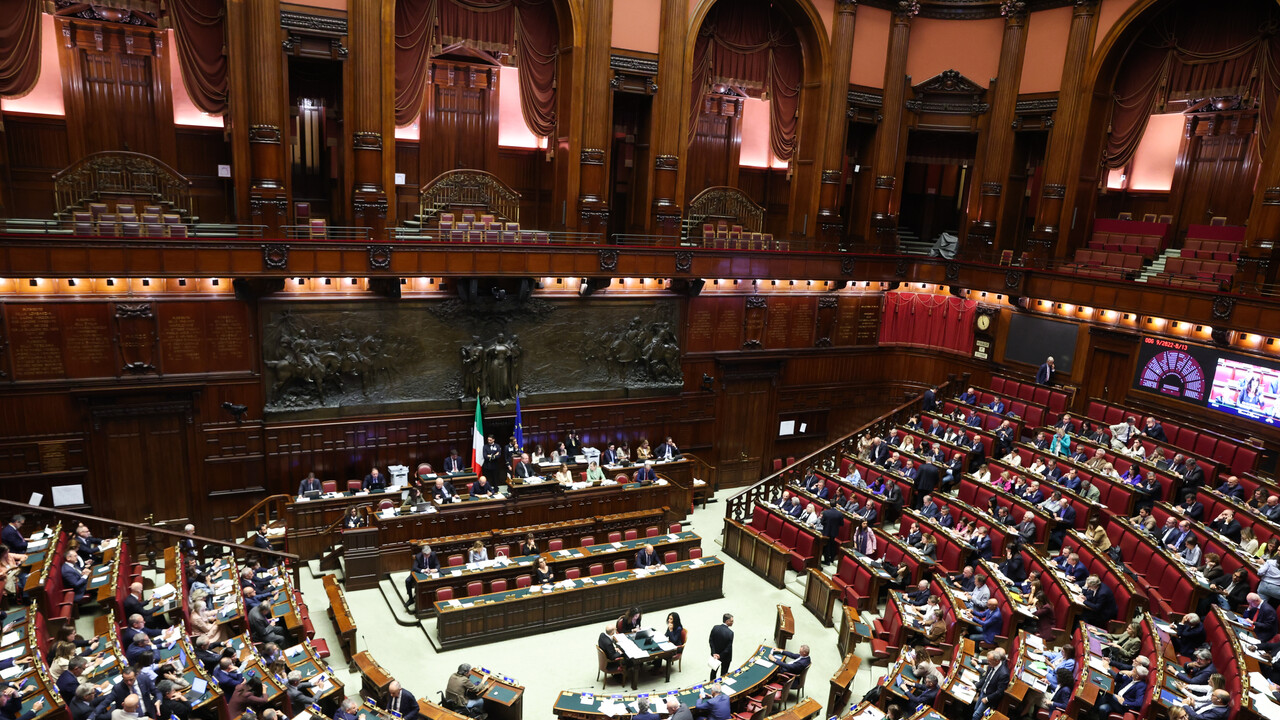
Italy’s Lower House is voting for the final time on a bill that would change the country’s election system. The bill was presented by parties supporting Premier Giorgia Meloni’s ruling coalition. Its supporters say the change would make elections more likely to produce a clear winner and a working majority. The vote is especially important because it is secret. The coalition previously suffered an embarrassing defeat in an earlier secret vote during the bill’s first reading. This time, however, the government passed three confidence votes earlier in the week, showing greater unity among coalition parties. If approved, the bill would replace a mixed system with proportional representation and bonus seats for the leading coalition. The opposition says the change is designed to reduce the ruling alliance’s risk of losing next year’s general election. It also plans to challenge parts of the law in the Constitutional Court.
Based on reporting by ANSA English
What did Italy’s Lower House vote on, and why is this vote important for the proposed election law?
Italy’s Lower House is voting for the final time on a bill that would change the country’s election system. The bill was presented by parties supporting Premier Giorgia Meloni’s ruling coalition. Its supporters say the change would make elections more likely to produce a clear winner and a working majority.
The vote is especially important because it is secret. The coalition previously suffered an embarrassing defeat in an earlier secret vote during the bill’s first reading. This time, however, the government passed three confidence votes earlier in the week, showing greater unity among coalition parties.
If approved, the bill would replace a mixed system with proportional representation and bonus seats for the leading coalition. The opposition says the change is designed to reduce the ruling alliance’s risk of losing next year’s general election. It also plans to challenge parts of the law in the Constitutional Court.
What is proportional representation, and how does it differ from first-past-the-post voting?
Proportional representation is an electoral system designed to match parties’ seat totals more closely with their vote shares. If a party wins about one-third of the vote, it may receive about one-third of the available seats. This can give smaller parties representation when they attract meaningful support.
First-past-the-post works differently. A country is divided into districts, and the candidate with the most votes in each district wins that seat. The winner does not necessarily need more than half the votes. A party can therefore win many seats without receiving the same proportion of the national vote.
The article says Italy’s current system combines first-past-the-post and proportional representation. The proposed bill would replace that mixture with proportional representation, while adding bonus seats for a coalition that reaches 42 percent. If that condition is not met, the bill provides for a purely proportional system.
How would the proposed 42% threshold and bonus seats work for the coalition that wins the most votes?
The proposed system sets a 42 percent threshold for the coalition that wins the most votes. If that coalition reaches the threshold, it receives bonus seats in addition to the seats allocated through proportional representation. The stated purpose is to help it secure a working majority in parliament.
For example, imagine a coalition wins the largest vote share and reaches 42 percent. Under the bill, it would qualify for extra seats, giving it a stronger position than proportional allocation alone might provide. The article does not state how many bonus seats would be awarded, so the exact size of the majority cannot be calculated from the available information.
The rule is conditional. If no coalition reaches 42 percent, the bonus-seat arrangement would not determine the result. The same applies if the Lower House and Senate produce different results. In either case, the bill calls for a purely proportional system.
What could happen to the composition and stability of Italy’s government if a coalition reaches the threshold?
If the leading coalition reaches 42 percent, the proposed law would award it bonus seats. The stated goal is to ensure that the coalition has a working majority in parliament. That could make it easier for the coalition to form a government and pass legislation without depending as heavily on outside support.
The key mechanism is the combination of proportional representation and extra seats. Votes would first be translated into seats proportionally. Then, if the top coalition had reached the threshold, bonus seats would strengthen its parliamentary position. The article does not give the number of bonus seats, so it cannot show the exact composition of parliament.
The likely political effect described by the bill is greater governing stability through a clearer majority. The opposition disputes the design and says the bonus-seat plan is unconstitutional. It is ready to appeal to the Constitutional Court, so the rule’s future could remain contested even after passage.
Why could the Lower House and Senate produce different election results under this system?
The Lower House and Senate could produce different election results if the vote outcomes in the two chambers do not identify the same qualifying coalition. The source recognizes this possibility but does not explain the detailed electoral mechanics behind it. It therefore does not establish one specific cause for a split result.
The important point is that the proposed bonus-seat system depends on a clear outcome across both chambers. If the Lower House points to one result while the Senate produces another, the threshold-based arrangement cannot operate as intended under the bill. The two chambers would not provide a single, consistent basis for awarding bonus seats.
In that situation, the bill would switch to a purely proportional system. This makes the chamber comparison a safeguard within the proposal, but it could also mean that no coalition receives the extra support designed to create a working majority. The article does not predict which chamber would be more decisive.
What alternatives does the bill provide if no coalition reaches 42% or the two chambers produce different results?
The bill provides a fallback when its majority-building mechanism cannot operate. If no coalition reaches the 42 percent threshold, bonus seats are not used to strengthen the leading alliance. Instead, seats are allocated under a purely proportional system.
The same alternative applies when the Lower House and Senate produce different results. In that case, the proposed threshold rule would not provide one clear coalition-wide outcome for both chambers. The bill therefore abandons the bonus-seat route and returns to proportional allocation.
This design creates two possible paths. A coalition reaching 42 percent can receive bonus seats intended to secure a working majority. Otherwise, including after conflicting chamber results, the system remains purely proportional. The article presents this as the bill’s mechanism for handling uncertainty, while the opposition continues to challenge the broader proposal and says it may appeal to the Constitutional Court.
How do electoral rules determine whether votes are translated into seats fairly, and why can changing those rules reshape a country’s political power?
Electoral rules are the bridge between votes cast and seats won. Proportional representation generally gives parties seats that reflect their vote shares. First-past-the-post instead rewards candidates who finish first in individual districts. Because these systems translate the same votes differently, they can produce different parliaments and different governing coalitions.
The proposed Italian bill illustrates this directly. It would replace the current mixture with proportional representation, then add bonus seats to the coalition winning most votes if it reaches 42 percent. That mechanism could turn a leading coalition’s votes into a stronger parliamentary majority than proportional allocation alone would provide.
As a result, changing the rules can reshape political power before voters cast their ballots. Supporters say the proposal could produce a clear winner and working majority. Opponents say the ruling alliance is changing the system to reduce its chance of losing next year’s election and argue that the bonus seats are unconstitutional.
Key Facts:
📌 The Lower House is holding the bill’s final vote by secret ballot.
📌 The ruling coalition previously lost an earlier secret vote on the bill.
📌 The bill would replace Italy’s current mixed electoral system.
📌 Italy’s current system mixes first-past-the-post and proportional representation.
📌 The proposed bill would use proportional representation with possible bonus seats.
📌 Proportional representation generally links seats more closely to vote shares.
📌 The leading coalition must reach 42% to qualify for bonus seats.