News · International Relations
UK downgrades Jerusalem consulate reducing staff
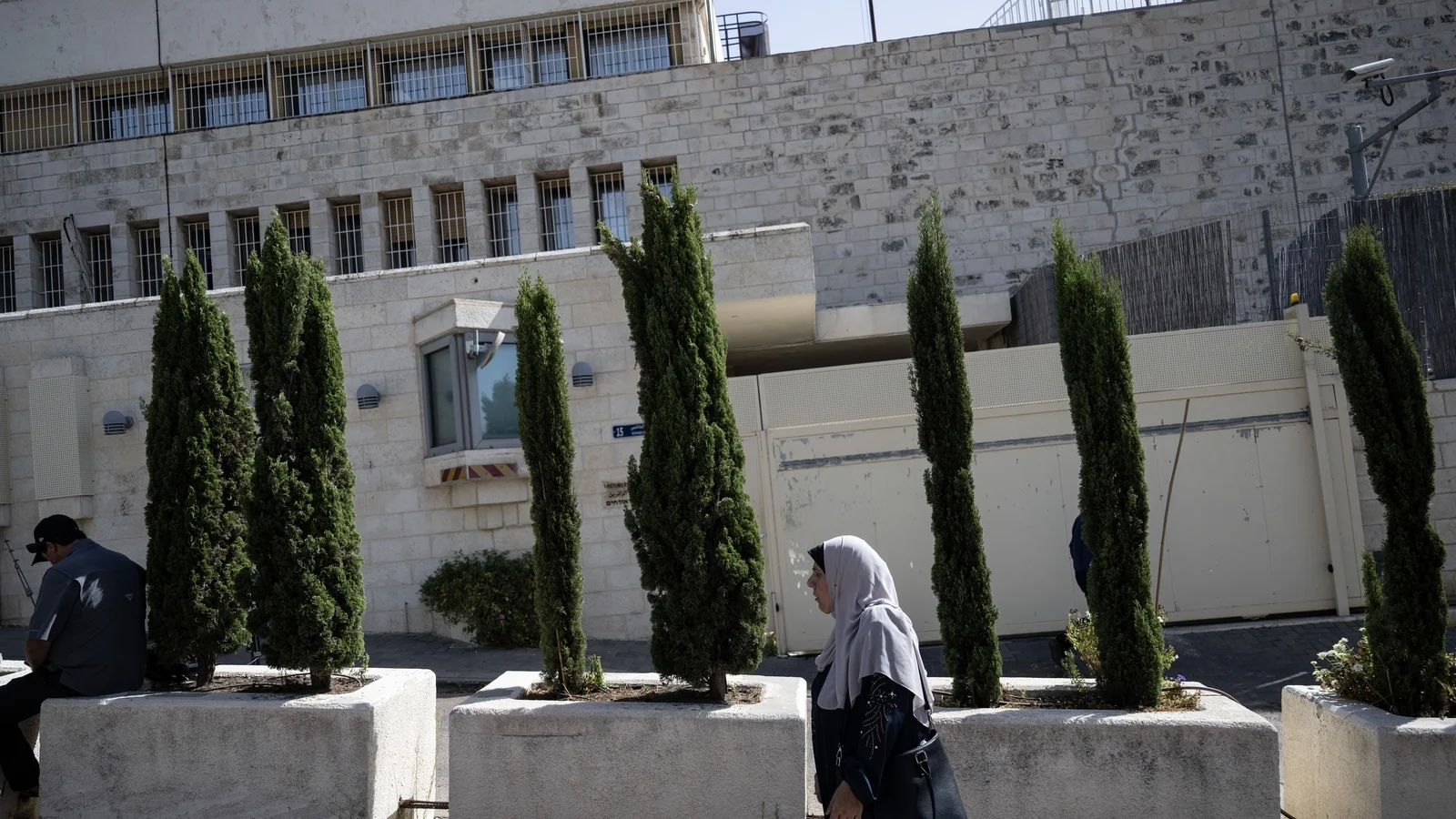
A consulate is a government office abroad that supports citizens, provides official services, and represents its country locally. An embassy is normally the main diplomatic office dealing with the host country’s government. A mission is a broader name for an official diplomatic presence and does not automatically mean the building has lost its diplomatic role. Here, the UK’s East Jerusalem Consulate General was renamed the UK Mission, Jerusalem. The building stayed open, kept its diplomatic status and privileges, and continued serving the Palestinian people. The change also involved reducing staff, with seven diplomats allowed to work there. The difference was therefore mainly institutional and practical, not a complete disappearance. Israel said the consulate had ceased functioning, while the UK said its presence remained independent and operational. The renamed mission is intended to preserve Britain’s long-standing presence and its support for a two-state solution.
Based on reporting by RTE Ireland
What is a consulate, and how is it different from an embassy or a renamed diplomatic mission?
A consulate is a government office abroad that supports citizens, provides official services, and represents its country locally. An embassy is normally the main diplomatic office dealing with the host country’s government. A mission is a broader name for an official diplomatic presence and does not automatically mean the building has lost its diplomatic role.
Here, the UK’s East Jerusalem Consulate General was renamed the UK Mission, Jerusalem. The building stayed open, kept its diplomatic status and privileges, and continued serving the Palestinian people. The change also involved reducing staff, with seven diplomats allowed to work there.
The difference was therefore mainly institutional and practical, not a complete disappearance. Israel said the consulate had ceased functioning, while the UK said its presence remained independent and operational. The renamed mission is intended to preserve Britain’s long-standing presence and its support for a two-state solution.
What exactly changed at the UK’s East Jerusalem consulate: its name, its staff, its activities, or its legal status?
The main change was the name: the Consulate General became the UK Mission, Jerusalem. The UK said the building would not close and would keep its privileges, documentation, and diplomatic status. Israel described the consulate as ending its activities and said only a limited task force could operate there.
Staffing changed sharply. Israel authorised seven diplomats to work from the building, while the Consul General and 19 diplomats were due to leave Israel. The UK also temporarily withdrew some staff and families for safety. The article does not give the number temporarily withdrawn.
Activities were narrowed under the agreement, but the UK said the mission remained independent and operational. Its legal status was disputed, not formally surrendered: Britain rejected Israel’s claimed right to close the consulate. Talks are expected to resume after Israel’s election, with the UK seeking to rebuild its presence.
How many British diplomats remain, and how many staff members are leaving or have been temporarily withdrawn?
The remaining British presence was reduced to seven diplomats. Israel said it had authorised a task force of only seven diplomats to operate from the building, which it said was no longer functioning as a consulate. The UK described this as a reduction in numbers under an agreement.
Israel’s foreign minister, Gideon Sa’ar, said the Consul General and 19 diplomats were ending their assignments and would leave Israel. That is the clearest figure for staff leaving. The article separately says that Britain temporarily withdrew a number of staff and families to protect their safety and security.
The article does not state how many people were temporarily withdrawn. Britain intended to seek the return of all diplomatic staff after the 27 October Israeli election. It also planned to rebuild its full East Jerusalem presence if discussions with Israel became productive and credible.
What services and political work will continue from the building after it becomes the UK Mission, Jerusalem?
The UK says the building will continue operating as an independent diplomatic mission. Its work includes delivering vital services and maintaining Britain’s engagement with the Palestinian people. The building also preserves a long-standing British presence in East Jerusalem.
Foreign Secretary Ed Miliband said the mission would continue work supporting a two-state solution. The UK Foreign Office added that existing privileges, documentation, and diplomatic status remained in place. These protections allow the mission to keep functioning despite the dispute over its name and scope.
The immediate operation is smaller, because only seven diplomats are authorised to work there and some staff and families were temporarily withdrawn for safety. Britain aims to return all diplomatic staff after Israel’s election and rebuild its full presence. It says the mission will remain operational while discussions continue with Israel.
Why did Israel retaliate against the UK, and what UK measures triggered the diplomatic dispute?
The dispute began with UK measures against Israeli settlements in the West Bank. Britain announced a ban on imports from illegal settlements and sanctions on individuals and firms providing services to settlers. The government said these steps supported a two-state solution and peace and security.
Israel treated those measures as the reason to threaten the consulate. It gave Britain 30 days after the announcement before threatening to shutter the office. When that deadline expired, Israeli foreign minister Gideon Sa’ar said the consulate was ending its activities and that its sign had been removed.
The confrontation produced competing claims about what had happened. Israel said the consulate had ceased functioning and limited the building to seven diplomats. Britain rejected the closure, renamed the office, temporarily withdrew some staff for safety, and kept possible reciprocal measures available if talks failed.
Why does the status of East Jerusalem make the consulate’s closure and diplomatic rights legally and politically disputed?
The dispute is legally and politically sensitive because Britain says East Jerusalem is occupied territory. That position affects how the UK views Israel’s authority over the consulate and its diplomatic operations. The UK also points to the consulate’s nearly 200-year history and says Israel has no legal right to close it.
The building belongs to the British Government, a fact acknowledged by Israel. Yet Israel said it could authorise only a seven-diplomat task force with limited activity. Britain instead said the building remained open and retained its diplomatic status under an agreement.
This produced two different descriptions of the same event. Israel called the consulate closed and removed its identifying sign. Britain called it the UK Mission, Jerusalem, and said its presence remained operational. The dispute therefore concerns more than a name: it involves territory, authority, diplomatic rights, and Britain’s role in supporting a two-state solution.
How do diplomatic privileges, host-country consent, and reciprocal measures normally govern relations when two governments disagree?
In general, diplomatic relations rely on the host country allowing a foreign mission to operate and on international rules protecting its staff, premises, documents, and official work. Governments can still disagree about how those protections apply. A host government may seek changes, while the sending government can challenge them legally or politically.
Here, Israel said the consulate had ended and limited activity to seven diplomats. Britain said the building retained its diplomatic status and that Israel had no legal right to close it. The two sides reached an understanding that changed the name and staff numbers, while leaving the building open.
Reciprocal measures are possible when negotiations fail. Israeli media reported that Britain had threatened to expel up to 27 Israeli diplomats, but Israel said no measures would follow the arrangement. Britain said it would not take reciprocal action while credible discussions continued, while keeping stronger responses available if talks were unsuccessful.
Key Facts:
📌 A consulate represents a country and provides services in a particular city or region.
📌 An embassy is normally a country’s main diplomatic mission.
📌 The UK Mission kept the building’s diplomatic status after its renaming.
📌 The consulate was renamed the UK Mission, Jerusalem.
📌 Seven diplomats were authorised to work from the building.
📌 The UK said the building retained diplomatic status and privileges.
📌 Seven British diplomats remain authorised to work from the building.