News · Defence & Security
Israel issues high-level travel warning for Egypt and regional nations
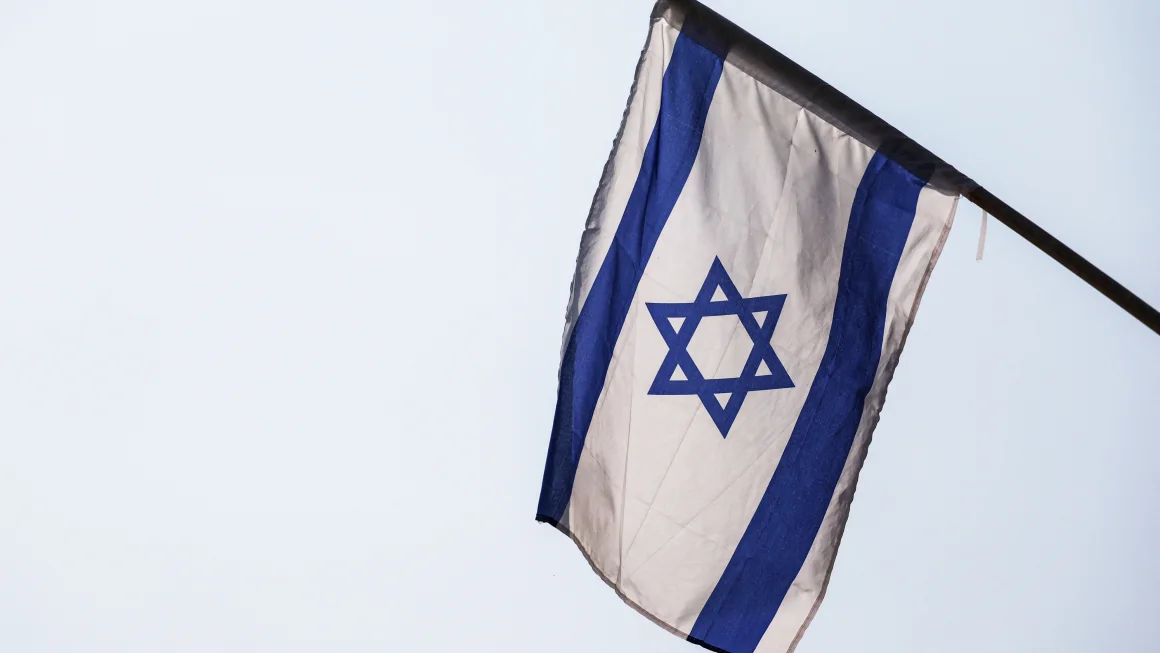
A Level 4 warning is a high-threat travel advisory from Israel’s National Security Council. It tells Israeli citizens to avoid travel to the listed destinations. Those already there are advised to depart promptly. The warning matters because the NSC identifies heightened security risks and potential terror threats. The advisory also addresses daily behavior. Israelis in elevated-threat regions should keep a low public profile, minimize spoken Hebrew in crowded places, avoid public gatherings or protests, and not display identifying symbols. They should also protect personal and service-related information online. The current warning covers Egypt, including the Sinai Peninsula, Jordan, Qatar, and Somaliland. The NSC says regional threat groups and global jihad factions view this period as important for mobilizing actions against Israeli targets. Citizens facing immediate danger should contact local law enforcement first, then Israeli diplomatic hotlines.
Based on reporting by Egypt Independent
What does a Level 4 travel warning mean for Israeli citizens?
A Level 4 warning is a high-threat travel advisory from Israel’s National Security Council. It tells Israeli citizens to avoid travel to the listed destinations. Those already there are advised to depart promptly. The warning matters because the NSC identifies heightened security risks and potential terror threats.
The advisory also addresses daily behavior. Israelis in elevated-threat regions should keep a low public profile, minimize spoken Hebrew in crowded places, avoid public gatherings or protests, and not display identifying symbols. They should also protect personal and service-related information online.
The current warning covers Egypt, including the Sinai Peninsula, Jordan, Qatar, and Somaliland. The NSC says regional threat groups and global jihad factions view this period as important for mobilizing actions against Israeli targets. Citizens facing immediate danger should contact local law enforcement first, then Israeli diplomatic hotlines.
Which countries and regions are covered by the warning, and how many destinations are listed?
The Level 4 warning applies to four listed destinations: Egypt, Jordan, Qatar, and Somaliland. The advisory specifically highlights Egypt and names the Sinai Peninsula as included. Jordan and Qatar are also listed as regional destinations under the same high-threat classification.
The wording treats Egypt as a destination and the Sinai Peninsula as a region within that warning. Somaliland appears as a separate listed destination. Thus, the count is four named destinations, with one additional region explicitly identified as part of Egypt’s coverage.
The NSC’s message is not limited to one border area. It presents a wider regional security concern involving potential terror threats, anti-Israel demonstrations, and risks to Israelis and Jewish communities abroad. Travelers should therefore check the advisory’s Level 4 coverage before planning or continuing travel to any named destination.
Why are Egypt and the Sinai Peninsula considered especially risky for Israeli travelers?
Egypt and the Sinai Peninsula are considered risky in the advisory because the NSC places them under Level 4, described as a high-threat warning. The statement cites heightened security risks and potential terror threats. It specifically highlights Egypt, showing that Israeli travelers there should take the warning seriously.
The article does not identify a separate, Egypt-specific cause. It does not describe a particular incident, group, or attack in Sinai. Instead, it connects the warning to broader regional concerns. These include threats against Israeli targets and possible anti-Israel demonstrations affecting Israelis and Jewish communities abroad.
The practical result is clear. Israeli citizens are advised not to travel to Egypt, including Sinai, and to leave promptly if already there. They should also maintain a low profile, avoid public gatherings, and protect identifying information while the advisory remains in force.
What kinds of threats is Israel’s National Security Council warning about, including terrorism and demonstrations?
The warning covers more than general travel discomfort. Israel’s National Security Council cites heightened security risks, potential terror threats, and anti-Israel demonstrations. These risks may target Israeli travelers as well as Jewish communities abroad, according to the advisory.
The NSC also points to regional threat groups and global jihad factions. It says they view this period as a key milestone for mobilizing actions against Israeli targets. That language explains why the council is urging avoidance and departure, rather than only recommending extra caution.
The advisory also anticipates risks in public spaces. It tells Israelis to avoid gatherings or protests, minimize spoken Hebrew in crowded places, and refrain from displaying identifying symbols. These instructions are presented as ways to reduce visibility while abroad. The statement does not name a specific planned attack or identify particular organizations.
What could happen to Israeli citizens who ignore the warning or remain in a Level 4 destination?
Citizens who ignore the warning or remain in a Level 4 destination may continue facing the heightened security risks identified by the NSC. These include potential terror threats and anti-Israel demonstrations. The warning also refers to risks affecting Israelis and Jewish communities abroad.
The advisory’s direct instruction is to avoid travel and depart promptly. It does not describe a fine, arrest, loss of assistance, or other legal punishment for staying. Therefore, the clearest stated consequence is continued exposure to the dangers behind the high-threat classification, not a stated government penalty.
Remaining travelers should follow the council’s precautions if they cannot leave immediately. They should keep a low public profile, avoid public gatherings and protests, and avoid displaying identifying symbols. They should also avoid posting itineraries or locations and should contact local law enforcement first during an immediate security threat.
What practical steps can travelers take to reduce their risk while abroad?
The first practical step is to follow the advisory: avoid travel to Level 4 destinations and depart promptly if already there. Travelers who remain should maintain a low public profile. The NSC recommends avoiding public gatherings or protests and refraining from displaying identifying symbols.
The council also advises minimizing spoken Hebrew in crowded public spaces. Digital security matters too. Travelers should not post advance itineraries or personal location details on social media. They should also avoid sharing content that reflects active or past service in Israeli security forces.
These measures are designed to reduce public visibility and limit information that could identify or locate someone. If an immediate security threat occurs, the NSC says travelers should first contact local law enforcement authorities. They should then notify Israeli diplomatic hotlines. The advisory does not replace instructions from local authorities during an emergency.
How do national travel advisories work, and what role do governments, local police, and diplomatic hotlines play when citizens face danger overseas?
National travel advisories are official notices that explain security concerns in foreign destinations and tell citizens how to respond. Governments use warning levels to communicate the seriousness of a threat. In this case, Israel’s National Security Council assigns Level 4, or High Threat, to four listed destinations and advises avoidance.
The advisory combines destination guidance with personal precautions. It recommends leaving covered areas, avoiding crowds and protests, limiting identifying behavior, and protecting location information online. These steps help travelers follow the government’s risk assessment while abroad. The article specifically names Egypt, including Sinai, Jordan, Qatar, and Somaliland.
Local police and diplomatic services have different roles during an emergency. The NSC says citizens facing immediate security threats should contact local law enforcement first. After that, they should notify Israeli diplomatic hotlines. This sequence directs urgent response to authorities physically able to address the immediate situation, while diplomatic channels provide official consular contact.
Key Facts:
📌 Level 4 is described as a high-threat warning.
📌 Israeli citizens should avoid travel to Level 4 destinations.
📌 Citizens already there are advised to depart promptly.
📌 The warning lists Egypt, Jordan, Qatar, and Somaliland.
📌 The Sinai Peninsula is explicitly included within Egypt’s warning.
📌 Four destinations are named in the advisory.
📌 Egypt and the Sinai Peninsula carry a Level 4 warning.