News · Defence & Security
Ukrainian drones hit Russia's Yandex data centers housing two top supercomputers
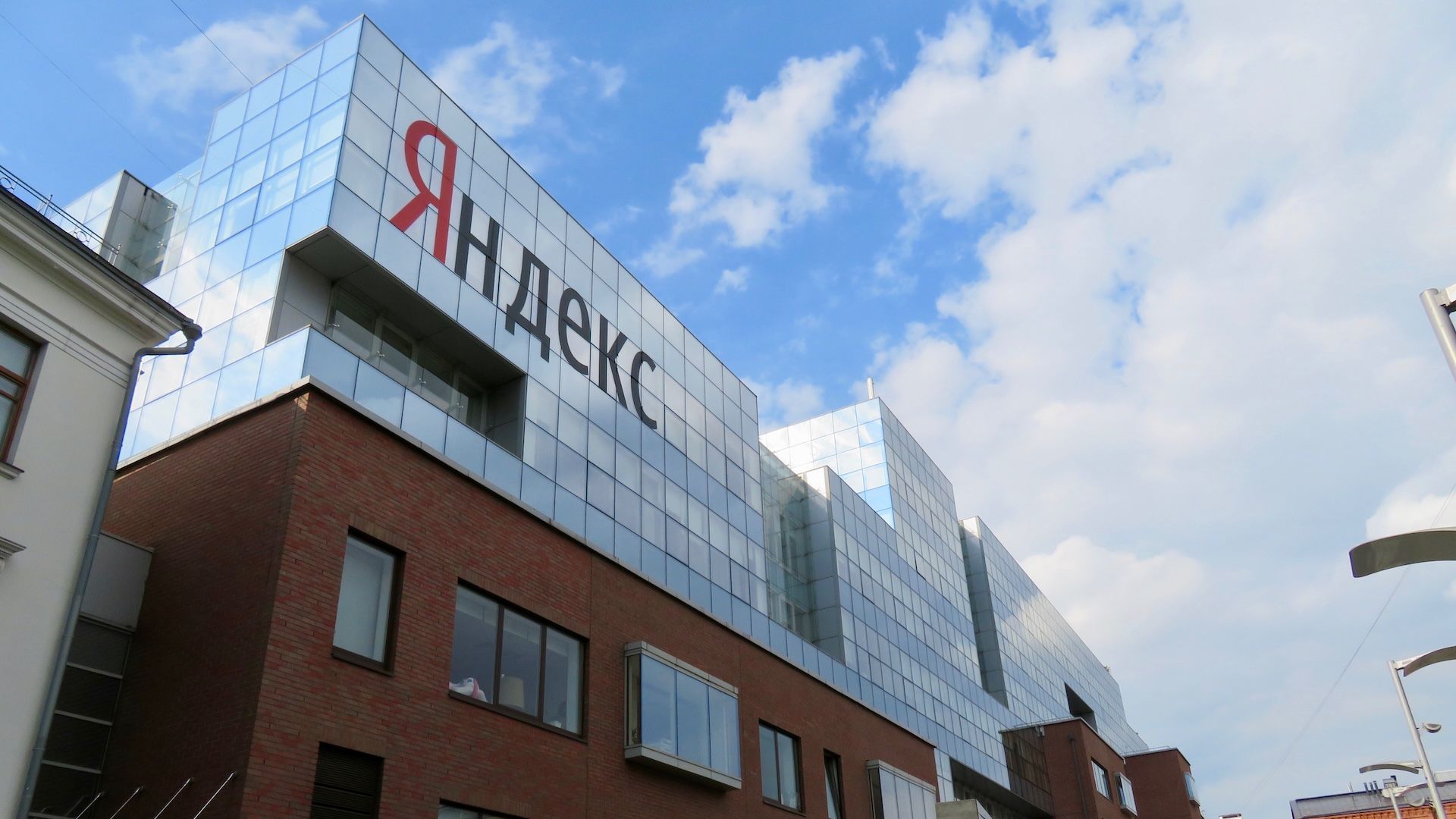
A data center is a specialized facility filled with servers, storage systems, networking equipment, and power and cooling infrastructure. These machines host websites, apps, databases, and cloud services. It matters because one building can support a large digital ecosystem, not just one company’s public website. The Sasovo facility hosted Yandex Cloud infrastructure. When a drone attack caused a massive fire and Yandex shut the site down, customers were told to use alternative zones. Users reported trouble with Yandex Mail, Disk, Documents, Pay, and Market. Other companies also experienced disruptions because their systems used shared Yandex infrastructure. The outage shows that digital services still depend on physical places. A fire can damage servers, networking links, power equipment, and stored data simultaneously. The article does not establish how much equipment was destroyed, but it reports widespread complaints and outages across Russian services. Geographic redundancy can limit this risk.
Based on reporting by Toms Hardware
What is a data center, and why would damage to one disrupt so many online services?
A data center is a specialized facility filled with servers, storage systems, networking equipment, and power and cooling infrastructure. These machines host websites, apps, databases, and cloud services. It matters because one building can support a large digital ecosystem, not just one company’s public website.
The Sasovo facility hosted Yandex Cloud infrastructure. When a drone attack caused a massive fire and Yandex shut the site down, customers were told to use alternative zones. Users reported trouble with Yandex Mail, Disk, Documents, Pay, and Market. Other companies also experienced disruptions because their systems used shared Yandex infrastructure.
The outage shows that digital services still depend on physical places. A fire can damage servers, networking links, power equipment, and stored data simultaneously. The article does not establish how much equipment was destroyed, but it reports widespread complaints and outages across Russian services. Geographic redundancy can limit this risk.
How large was the affected Yandex facility, and how many servers and supercomputers did it reportedly contain?
The Sasovo facility was one of Yandex’s five major data centers. The article describes it as accommodating tens of thousands of servers. That makes it a large concentration of computing capacity, rather than a small office server room. Its shutdown therefore threatened both ordinary cloud services and advanced AI work.
The site reportedly housed two of Yandex’s three supercomputers. They were Chervonenkis and Lyapunov, both based on Nvidia A100 hardware. Yandex’s third supercomputer, Galushkin, is located in Vladimir. Chervonenkis was once ranked 19th globally in 2021, with 21.53 FP64 PFLOPS, though the article places it at 101st by current standards.
Yandex has not disclosed whether either supercomputer was damaged. The fire was described as massive, so the equipment’s condition remains uncertain. The facility’s scale also explains the broad service impact: one shutdown removed access to many servers and cloud systems at the same time.
Which Yandex services and other businesses experienced outages after the facility was shut down?
The shutdown affected both Yandex’s own services and companies using its infrastructure. Yandex said key consumer services remained operational, but users reported problems with Yandex Mail, Disk, Documents, Pay, and Market. Yandex Cloud customers were advised to switch to alternative zones.
Reportedly affected businesses included Cian, Litmarket, Russian Railways, Spartak Moscow, Rapira, Astral, and 1C business solutions. Corporate systems at T-Bank, Ozon, and Wildberries also experienced disruptions. A Moscow-region bus operator suspended online ticket sales, while media outlets including RIA Novosti, Vesti, and Interfax went offline.
The scale of the reports shows how cloud dependencies spread the effects of one facility failure. Detector404 registered 58,268 complaints over 24 hours. The article does not provide a complete outage list or confirm that every disruption had the same technical cause. It does connect the incidents to the attack on the infrastructure partner.
Why are the Chervonenkis and Lyapunov supercomputers important to Russia's artificial-intelligence industry?
Chervonenkis and Lyapunov matter because they provide the large-scale computing needed to train AI models. The article identifies them as Nvidia A100-based supercomputers and says both have been used to train YandexGPT, described as Russia’s leading large language model. Their location at Sasovo links the attack to Russia’s AI capacity.
Chervonenkis was Yandex’s most powerful system. It ranked 19th on the world’s Top 500 supercomputer list in 2021, with 21.53 FP64 PFLOPS. By current standards, that performance would place it 101st. Lyapunov is the other supercomputer at the site, while Galushkin is located in Vladimir.
Yandex has not said whether the machines survived. If they were damaged or destroyed, the article says many components could be lost permanently. Western restrictions already prevent Yandex from upgrading Chervonenkis. Replacing the systems could force Yandex to rely on Chinese infrastructure for future model training.
Why can a physical attack on one location affect companies that appear to be unrelated to Yandex?
Modern online businesses often rent computing capacity instead of operating every server themselves. A cloud provider supplies shared servers, storage, networking, and related services. Customers may have different brands and products, but their digital operations can still depend on the same physical facility.
The Sasovo incident illustrates this dependency. Yandex Cloud infrastructure was disrupted after the facility was shut down. Problems were reported by services ranging from Russian Railways and Rapira to T-Bank, Ozon, Wildberries, and media outlets. Their connection was not necessarily ownership; it was reliance on an infrastructure partner.
The physical location creates a common point of failure. A fire can remove machines and network equipment, while a shutdown can cut access to hosted applications and data. The article reports that Yandex recommended alternative zones, showing that other zones existed. It does not specify how each affected company was connected or whether its data was permanently lost.
How do data-center operators reduce the risk of a single fire or attack causing a nationwide digital outage?
The basic protection is redundancy: keep working copies of services, data, and critical equipment in more than one location. Operators can divide workloads among geographically separated data centers, connect them through different networks, and maintain tested backups. If one site fails, another can continue serving customers.
The article gives one direct example. After Sasovo was disrupted, Yandex recommended that customers use alternative zones. It also reports that Ukraine is moving some digital infrastructure underground, while Russian businesses are discussing deployments in countries considered friendly by Moscow. These steps reduce dependence on one exposed site, although the article does not describe their technical design.
Redundancy cannot guarantee a painless recovery. Operators must keep copies current, provide enough capacity elsewhere, and ensure that backup locations are not hit by the same event. The Sasovo outage shows why this matters: a single facility shutdown disrupted many services. Geographic separation can turn a nationwide outage into a smaller, more manageable incident.
What are AI accelerators such as Nvidia A100 GPUs, and why do export sanctions make them difficult for Russia to replace?
AI accelerators are specialized processors designed to perform many mathematical operations at once. That makes them useful for training large AI models, where enormous numbers of calculations must be repeated. Nvidia A100 GPUs are one example. In the article, they power Yandex’s Chervonenkis and Lyapunov supercomputers.
These machines have been used to train YandexGPT. The Sasovo facility reportedly contained both systems, so any damage could remove a major source of AI computing. The article says Chervonenkis can no longer be upgraded because of Western sanctions. It also says Russia faces restrictions on exports of advanced AI accelerators and servers.
Replacement is difficult because obtaining equivalent chips and complete server systems is restricted. Losing hardware could also mean losing specialized components permanently. The article says Yandex might then be forced to use Chinese infrastructure for future model training. It does not identify a specific replacement system or confirm that either supercomputer was damaged.
Key Facts:
📌 Data centers contain servers that run websites, apps, and cloud services.
📌 The Sasovo fire disrupted Yandex Cloud customers and many consumer services.
📌 Shared infrastructure can make unrelated businesses fail together.
📌 Sasovo was one of Yandex’s five major data centers.
📌 The facility accommodated tens of thousands of servers.
📌 Two of Yandex’s three supercomputers were reportedly located there.
📌 Users reported problems with Yandex Mail, Disk, Documents, Pay, and Market.