News · International Relations
EU extends Russia sanctions over hybrid attacks and destabilization abroad for another year
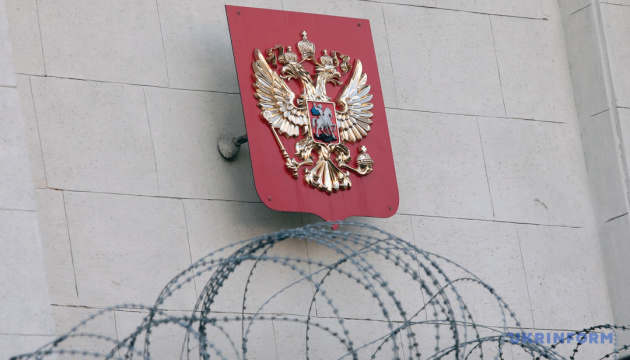
The EU extended its restrictive-measures framework against Russia’s destabilizing activities for another year. The decision responds to what the EU describes as continued and intensified hybrid activity, including Foreign Information Manipulation and Interference against the EU, its member states, and partners. It keeps pressure focused on conduct that threatens security, stability, independence, integrity, and fundamental values. The framework was created on October 8, 2024. It targets people and organizations connected to actions or policies by the Russian government that undermine those interests. Listed individuals and entities face measures such as asset freezes, funding restrictions, and, for individuals, travel bans into or through EU territory. The current regime covers 80 individuals and 20 entities. The EU said it would continue using its available tools to protect, prevent, deter, and respond to malicious behavior. A separate, much larger expansion was agreed in principle on October 7 and was expected for formal approval on October 12.
Based on reporting by Ukrinform English
What exactly did the EU extend, and for how long?
The EU extended its restrictive-measures framework against Russia’s destabilizing activities for another year. The decision responds to what the EU describes as continued and intensified hybrid activity, including Foreign Information Manipulation and Interference against the EU, its member states, and partners. It keeps pressure focused on conduct that threatens security, stability, independence, integrity, and fundamental values.
The framework was created on October 8, 2024. It targets people and organizations connected to actions or policies by the Russian government that undermine those interests. Listed individuals and entities face measures such as asset freezes, funding restrictions, and, for individuals, travel bans into or through EU territory.
The current regime covers 80 individuals and 20 entities. The EU said it would continue using its available tools to protect, prevent, deter, and respond to malicious behavior. A separate, much larger expansion was agreed in principle on October 7 and was expected for formal approval on October 12.
What are Russia’s “hybrid activities,” including Foreign Information Manipulation and Interference (FIMI)?
Hybrid activities combine different forms of pressure rather than relying on conventional military action alone. In this article, the clearest example is Foreign Information Manipulation and Interference, or FIMI. That means efforts connected to a foreign actor that manipulate or interfere with information reaching the public, institutions, or partner countries. The EU treats such conduct as part of Russia’s destabilizing activity.
The article links these activities to actions and policies that undermine the EU’s fundamental values, security, stability, independence, and integrity. It also says the sanctions framework covers Russian hybrid activities against third countries and international organizations. These categories show that the concern extends beyond activity directed only at EU territory.
The EU says Russia’s hybrid activities have continued and intensified. In response, it is maintaining sanctions and promising to use its full range of tools to protect, prevent, deter, and respond. The article does not list specific information campaigns or technical methods, so those details cannot be identified from the source.
Who is currently targeted by these sanctions, and what kinds of actions can lead to being listed?
The current sanctions target 80 individuals and 20 entities. They are connected to Russia’s destabilizing activities, including conduct linked to policies or actions by the Russian government. The framework also reaches people and organizations responsible for Russian hybrid activities against third countries and international organizations.
The article describes possible grounds broadly. Listed parties may have helped undermine the EU’s fundamental values, security, stability, independence, or integrity. The planned expansion also includes 77 individuals involved in illegitimate elections to the Russian State Duma held in occupied territories of Ukraine. Other proposed targets are linked to Russia’s military-industrial complex.
The list therefore covers both direct and supporting roles, as described by the EU’s sanctions agenda. The article does not provide names or individual case files. It does show that the EU is targeting conduct it associates with destabilization, hybrid operations, military-industrial links, and disputed elections in occupied Ukrainian territories.
How large is the sanctions regime, and how much larger could it become under the planned expansion?
The existing sanctions regime covers 80 individuals and 20 entities, or 100 listed parties in total. These measures focus on Russia’s destabilizing activities, including hybrid actions and Foreign Information Manipulation and Interference. The framework was set up on October 8, 2024, and the EU has now extended it for another year.
The planned expansion is far larger in stated scope. EU member-state ambassadors agreed on restrictions covering 1,569 individuals and entities. The group includes 743 individuals and 826 companies linked to Russia’s military-industrial complex. It also includes 77 individuals connected to illegitimate Russian State Duma elections held in occupied Ukrainian territories.
The figures describe the proposed new restrictions, not a confirmed combined total for the whole sanctions system. The expansion was expected to be formally approved at the EU Foreign Affairs Council meeting on October 12. It would represent the largest-ever expansion of the sanctions list against Russia, according to the article.
What happens to a person or organization placed under an EU asset freeze, funding ban, or travel ban?
An EU asset freeze prevents a listed person or organization from freely using assets covered by the measure. The article also prohibits EU citizens and companies from making funds, financial assets, or economic resources available to listed parties. Together, these restrictions aim to cut off access to EU-linked money and resources.
The consequences differ slightly by target. Both individuals and entities are subject to an asset freeze and funding prohibition. Natural persons additionally face a travel ban, which prevents them from entering or transiting through EU territories. The article does not describe detention, criminal punishment, or confiscation; it specifies financial blocking and travel restrictions.
These measures make it harder for listed parties to use European financial channels or travel through the EU. They also signal official condemnation of the conduct behind the listing. The restrictions remain part of the EU’s broader effort to protect against, deter, and respond to Russia’s destabilizing and malicious activities.
Why does the EU consider foreign information operations and other destabilizing activities a threat to its security and democratic values?
The EU considers foreign information operations dangerous because they fit within activities that can undermine its fundamental values and the functioning of its political and security environment. The article specifically connects Russia’s hybrid activities with threats to the EU and its member states. It also identifies risks to security, stability, independence, and integrity.
The concern is broader than one information campaign. The sanctions framework covers actions and policies by the Russian government, Russian hybrid activities against third countries, and activity directed at international organizations. The planned listing of people involved in illegitimate elections in occupied Ukrainian territories further shows the EU’s concern about conduct affecting political legitimacy.
The EU says Russia’s hybrid activity has continued and intensified. It therefore plans to use its full range of tools to protect, prevent, deter, and respond. The article does not provide detailed examples of individual operations, but it clearly presents information interference and wider destabilization as challenges to shared values and security.
How do economic and diplomatic sanctions work as tools of international relations, and why might governments use them instead of military force?
Economic and diplomatic sanctions are tools governments use to impose costs, restrict access, and express formal opposition to conduct they consider harmful. Instead of using military force, governments can limit financial relationships, freeze assets, restrict travel, or reduce the benefits available to targeted people and organizations. These steps can also coordinate pressure among allied countries.
The article gives a concrete EU example. Listed parties face asset freezes, and EU citizens and companies cannot make funds, financial assets, or economic resources available to them. Listed natural persons also face travel bans. The EU applies these measures to people and entities connected to Russia’s destabilizing activities and hybrid operations.
Sanctions are not described in the article as guaranteed to change behavior. They are presented as part of the EU’s available response: protecting, preventing, deterring, and responding to malicious conduct. The EU can therefore apply pressure while avoiding the direct military confrontation that force would involve.
Key Facts:
📌 The EU extended Russia-related destabilization sanctions for another year.
📌 The current framework covers 80 individuals and 20 entities.
📌 The framework was established on October 8, 2024.
📌 FIMI is identified as a Russian hybrid activity against the EU and its partners.
📌 The sanctions framework covers hybrid activities against third countries and international organizations.
📌 The EU says Russia’s hybrid activities have continued and intensified.
📌 The current list contains 80 individuals and 20 entities.