News · Defence & Security
Lithuania says it could pay for a permanent in-country US base
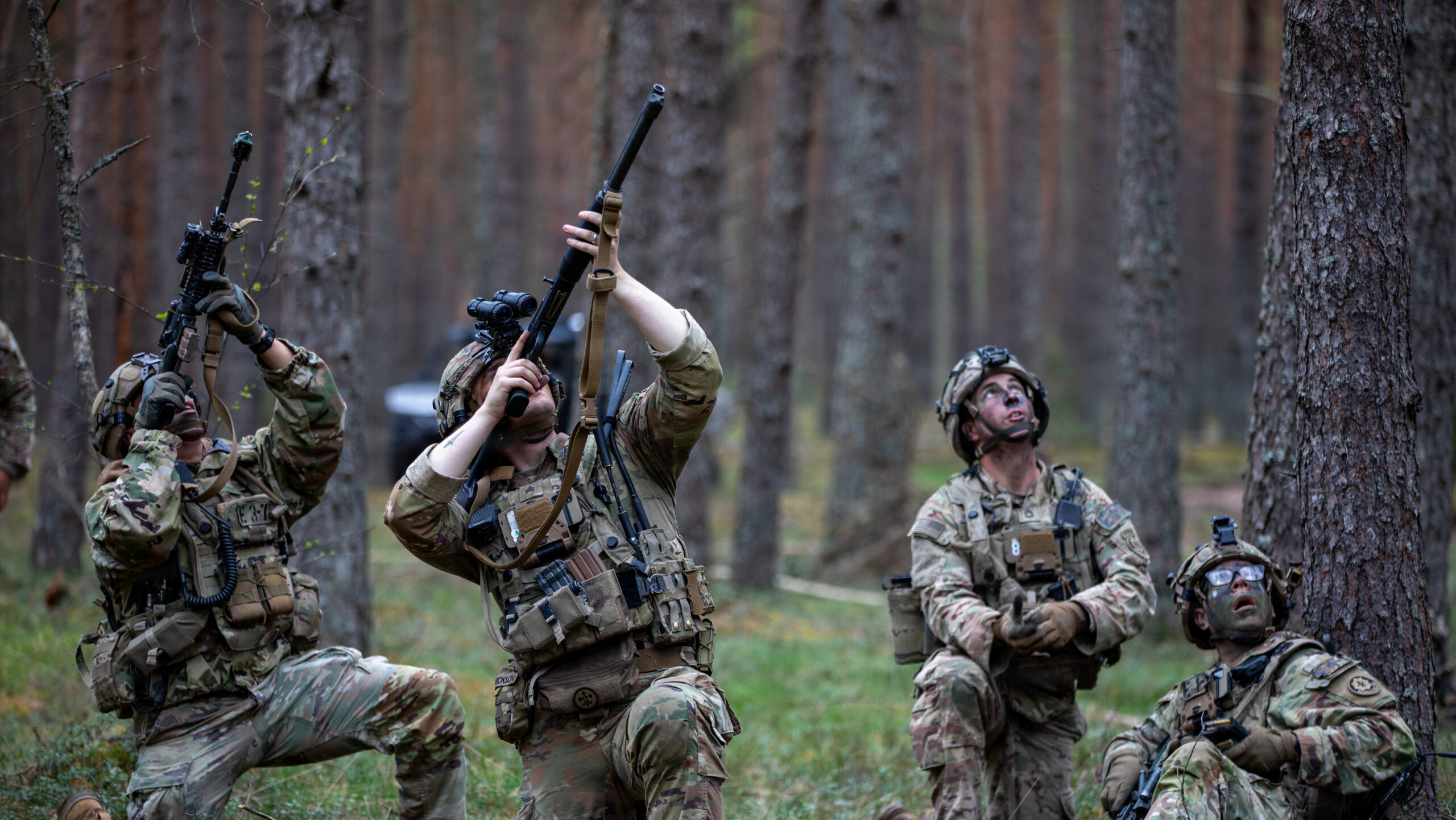
Lithuania is offering to fund the associated costs of a permanent American military presence. That could include facilities and support needed for an enduring base, although the article does not itemize the expenses. The key condition is a US political decision to station troops permanently in Lithuania. Prime Minister Mindaugas Sinkevičius said Lithuania was ready to “cover the bill.” He had earlier compared the idea with the proposed Fort Trump in Poland. President Donald Trump said the US government would “certainly” consider the offer, but the article records no final decision. For now, Lithuania has a temporary rotation of US troops at Pabradė Training Area. Since 2019, American forces have rotated through the site. The offer seeks a more lasting arrangement, while the United States weighs its broader approach to troop deployments in Europe and Lithuania highlights the presence’s deterrent value.
Based on reporting by Breaking Defense
What exactly has Lithuania offered to pay for, and what decision would the United States need to make?
Lithuania is offering to fund the associated costs of a permanent American military presence. That could include facilities and support needed for an enduring base, although the article does not itemize the expenses. The key condition is a US political decision to station troops permanently in Lithuania.
Prime Minister Mindaugas Sinkevičius said Lithuania was ready to “cover the bill.” He had earlier compared the idea with the proposed Fort Trump in Poland. President Donald Trump said the US government would “certainly” consider the offer, but the article records no final decision.
For now, Lithuania has a temporary rotation of US troops at Pabradė Training Area. Since 2019, American forces have rotated through the site. The offer seeks a more lasting arrangement, while the United States weighs its broader approach to troop deployments in Europe and Lithuania highlights the presence’s deterrent value.
What is a permanent overseas military base, and how is it different from rotating troops through a training area?
A permanent overseas military base is an enduring installation in another country. It normally supports troops, equipment, housing, training, and command activities over many years. The host country and the military that operates there must agree on its political, legal, and financial arrangements.
Rotating troops are different because units deploy temporarily and later leave or are replaced. Lithuania has hosted continuous US rotations at Pabradė Training Area since 2019. Those forces train and operate there, but this arrangement is not the same as a permanently stationed American base with enduring facilities and personnel.
The distinction matters because permanence can provide a steadier presence and clearer long-term planning. Rotation can still maintain readiness and deterrence while offering greater flexibility. Lithuania is seeking the first arrangement, but the article confirms only rotational US forces and a proposed German permanent brigade.
How many US and allied troops are already expected to be stationed or deployed in Lithuania?
Lithuania already hosts a continuing American military rotation. A US Army statement cited in the article said more than 1,000 US forces were operating and training in the country as of 2025. These personnel are connected to the rotational deployment at Pabradė Training Area.
A larger allied presence is planned. Germany announced a 5,000-person brigade for permanent stationing in Lithuania, including soldiers and civilian personnel. The brigade is expected to be based mainly around Rūdninkai and Rukla, with accommodation, training areas, and firing ranges. The article does not say the entire brigade has arrived.
Therefore, the clearest figures are over 1,000 US forces already operating and 5,000 German personnel planned. They should not be added together as a confirmed current total. A future permanent US base would represent an additional arrangement, but no troop number for it is provided.
Why does Lithuania want a permanent US presence, particularly given its location near Belarus and Russia?
Lithuania sees a permanent US presence as a visible commitment to its security. The country is near Belarus, and its government links American forces to deterrence for Lithuania and the wider region. The article also places the proposal within concern among NATO allies about possible reductions in US troop presence in Europe.
The existing example is the US rotation at Pabradė Training Area, near the Belarusian border. Since 2019, American forces have continuously rotated through Lithuania. Sinkevičius called the US military presence an “indispensable part” of deterrence and welcomed another temporary rotation of troops.
A permanent base would make that commitment more enduring and predictable. The article does not describe a specific Russian threat or a detailed military plan. It does show Lithuania seeking stronger allied presence while the United States considers its European posture and Germany prepares its own permanent brigade.
What security consequences could follow if the United States established a permanent base in Lithuania?
A permanent US base would create a visible, long-term American commitment in Lithuania. That could strengthen deterrence by making the country’s security connection with the United States more concrete. It could also support more regular training, planning, and coordination with Lithuanian and other allied forces.
The article already identifies the presence’s intended mechanism. Sinkevičius calls US troops an “indispensable part” of deterrence, while American forces continuously rotate through Pabradė. A permanent base would replace or supplement that temporary pattern with troops and facilities maintained for the long term.
The consequences are not settled because Washington has made no final decision. The arrangement could reassure Lithuania and other NATO allies, especially amid worries about reduced US forces in Europe. It would also require political agreement and financial arrangements. The article does not claim that a base would guarantee security or describe possible adversary responses.
What other arrangements could provide security for Lithuania, such as rotating US troops, NATO deployments, or Germany’s planned brigade?
Security does not depend on one arrangement alone. Lithuania can combine temporary US rotations with allied deployments and national forces. These options provide troops, training, and visible support without requiring the United States to build a new permanent base immediately.
The article gives two concrete examples. US forces have rotated continuously through Pabradė Training Area since 2019, with more than 1,000 operating and training in Lithuania as of 2025. Germany has also announced a 5,000-person brigade that will be permanently stationed in Lithuania, mainly around Rūdninkai and Rukla.
These arrangements could preserve allied presence while Washington considers Lithuania’s offer. A German brigade might provide a permanent allied framework, while US rotations retain flexibility and American involvement. The article does not confirm that NATO has approved a separate new deployment, so “NATO deployments” should be understood as a broader possible model, not a reported decision.
How does military deterrence work, and why can placing allied troops in a country make an attack against it less likely?
Military deterrence aims to prevent an attack before it starts. It works when a potential aggressor believes that attacking would meet strong resistance and create serious costs. The goal is not necessarily to fight, but to make aggression appear less likely to succeed or more damaging.
Allied troops can strengthen that message because they are physically present in the country they help defend. An attack could therefore affect soldiers from the allied country as well as local forces. In Lithuania, US troops already rotate through Pabradė, and the government calls their presence an indispensable part of deterrence.
A permanent base would make the signal more continuous and visible than temporary rotations. Germany’s planned 5,000-person brigade could provide another allied commitment. Presence alone cannot guarantee security, and the article gives no certainty about outcomes. It shows Lithuania using allied deployments to reinforce regional security while seeking a lasting US commitment.
Key Facts:
📌 Lithuania offered to cover costs linked to a permanent US military base.
📌 The United States must make a political decision on permanent deployment.
📌 Trump said the US government would “certainly” consider the offer.
📌 A permanent base keeps troops and support infrastructure in place long term.
📌 Rotating units deploy temporarily and are replaced or withdrawn.
📌 US forces have rotated through Pabradė Training Area since 2019.
📌 More than 1,000 US forces were operating and training in Lithuania in 2025.