News · Environment & Climate
India faces water and power stress after weak monsoon
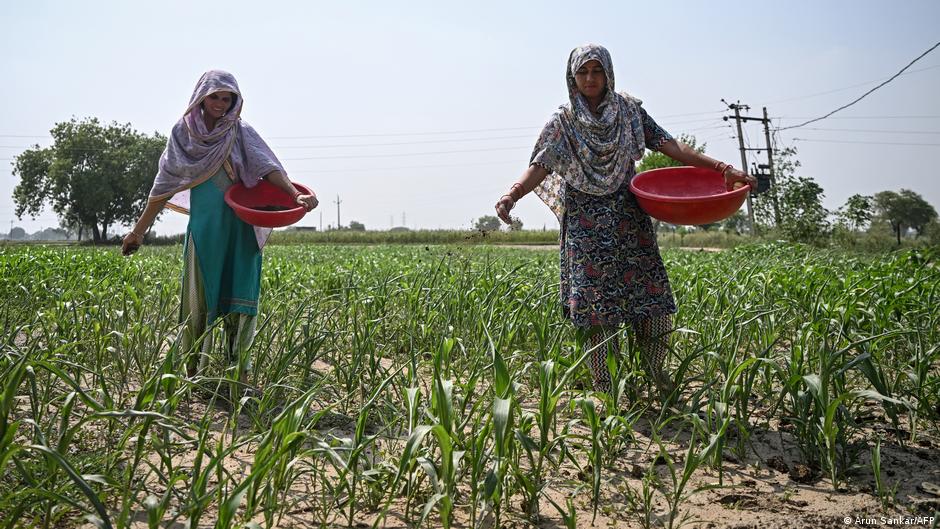
India received 759.4 millimeters of rain from June through September, 12.6% below its long-term average. The weak monsoon left major reservoirs short of water and reduced the buffer available for farming, drinking supplies, and electricity generation. Storage in 178 monitored reservoirs ended at 132.7 billion cubic meters, below the 10-year average of 151.1 billion. Hydropower output fell nearly 16% in September from a year earlier. Electricity shortages reached 560 million kilowatt-hours, the highest monthly shortfall in more than three years. The pressure may continue after the rainy season. Solar power declines after sunset, while around 40% of coal-fired plants had critically low stocks. The government ordered some private industrial plants to run fully and supply surplus electricity, but manufacturers still face production losses when power cuts disrupt operations.
Based on reporting by DW News
What happened to India's rainfall, reservoirs, and electricity supply after the weak 2026 monsoon?
India received 759.4 millimeters of rain from June through September, 12.6% below its long-term average. The weak monsoon left major reservoirs short of water and reduced the buffer available for farming, drinking supplies, and electricity generation.
Storage in 178 monitored reservoirs ended at 132.7 billion cubic meters, below the 10-year average of 151.1 billion. Hydropower output fell nearly 16% in September from a year earlier. Electricity shortages reached 560 million kilowatt-hours, the highest monthly shortfall in more than three years.
The pressure may continue after the rainy season. Solar power declines after sunset, while around 40% of coal-fired plants had critically low stocks. The government ordered some private industrial plants to run fully and supply surplus electricity, but manufacturers still face production losses when power cuts disrupt operations.
What is the Indian monsoon, and why does it matter for farming, water supplies, and power generation?
The Indian monsoon is the country’s main seasonal period of rain, lasting about four months from June to September. It matters because this rainfall refills reservoirs, supports crops, and helps provide water for households and businesses. It also supplies water for hydropower generation.
Farming depends heavily on reliable monsoon rain. Nearly half of India’s workforce depends on agriculture for its livelihood. When rainfall is weak or uneven, crops can fail, irrigation sources can dry up, and farm incomes can fall. Reservoirs then begin the following months with less water.
The effects spread beyond fields. Lower reservoir levels can reduce hydropower output and increase pressure on other power plants. Weaker farm production can also reduce rural spending and push food prices higher. That combination affects households, manufacturers, and the wider economy.
How large were the rainfall and reservoir shortfalls, and how much did hydropower generation and electricity supply decline?
India received 759.4 millimeters of rain during the June-to-September monsoon, compared with a long-term average of 868.6 millimeters. That was a 109.2-millimeter shortfall, or 12.6%, making it the country’s driest monsoon in 11 years and fourth driest this century.
The water deficit carried into major reservoirs. The 178 reservoirs monitored by the Central Water Commission held 132.7 billion cubic meters, compared with a 10-year average of 151.1 billion. They therefore had 18.4 billion cubic meters less water than usual at the end of the rainy season.
Power generation also weakened. Hydropower output fell nearly 16% in September compared with a year earlier. Electricity shortages reached 560 million kilowatt-hours, the highest monthly shortfall in more than three years, as the grid faced fewer reliable options.
Why can a weak monsoon cause electricity shortages even when India still has solar and coal-fired power plants?
A weak monsoon can create electricity shortages because India’s power system loses water for hydropower and faces stronger demand from other sources. Reservoirs normally provide a stored supply that supports electricity generation after the rainy season. With less water available, hydropower output falls.
Solar power cannot fully solve the problem because generation drops after sunset. The grid then needs other plants to respond quickly. Coal-fired stations have had to carry more of the load, but Central Electricity Authority data showed that around 40% had critically low stocks, below a quarter of required supplies.
This creates a squeeze even though all three technologies still exist. Less hydropower reduces supply, solar is unavailable at night, and coal plants may lack fuel. Electricity shortages reached 560 million kilowatt-hours in September. The government ordered some private industrial plants to operate fully and feed surplus power into the grid.
How can crop losses and higher food prices create a financial squeeze for both rural and urban households?
Crop losses reduce the money that rural households earn from farming and related work. Higher food prices then make essential purchases more expensive. Families have less purchasing power, so they may cut spending on other goods and services. This is the “twin shock” described by development economist Himanshu.
Ramesh Reddy’s tomato farm shows the mechanism clearly. His irrigation well ran dry, destroying his crop after he invested 320,000 rupees and borrowed 250,000 at 24% annual interest. He lost the harvest that was supposed to repay the loan and cover his son’s overdue college fees.
The squeeze can reach cities too. Urban households must pay more for food, while manufacturers can lose money when power cuts interrupt production and waste raw materials. The article notes that weaker farm output can reduce employment, rural consumption, and incomes, extending the effects beyond agriculture.
What is El Niño, and how can it weaken rainfall during India's monsoon season?
El Niño is a recurring climate pattern involving unusually warm surface waters in the central and eastern tropical Pacific Ocean. That warming changes atmospheric circulation and shifts rainfall patterns around the world. For India, El Niño often raises the risk of a weaker monsoon.
The mechanism operates through large-scale changes in winds and pressure. Those changes can reduce or disrupt the moisture-bearing circulation that normally brings seasonal rain to India. The result is not necessarily identical everywhere, but the national rainfall total can fall and regional differences can become severe.
Madhavan Nair Rajeevan, a climate scientist and former secretary in the Ministry of Earth Sciences, said a severe El Niño was the main factor behind the poor monsoon. He had warned that it posed a serious rainfall risk. India ultimately recorded a 12.6% monsoon deficit, its driest in 11 years.
Why might climate warming make India's future rainfall patterns more variable and harder to predict?
Climate warming can make rainfall harder to predict because it changes the atmosphere, oceans, and circulation patterns that shape seasonal rain. A warmer atmosphere can hold more moisture, increasing the potential for intense rain, while rainfall may become less evenly distributed across time and regions.
For farmers, that means a national rainfall total can hide serious local damage. One area may receive heavy rain while another suffers a long dry spell. The article notes that uneven rainfall could make losses much worse in some farming regions than the national 12.6% deficit suggests. Dry wells can destroy crops even when rain has fallen elsewhere.
Greater variability also complicates reservoir and power planning. Water managers have less certainty about how much storage will be replenished. Electricity planners must prepare for weaker hydropower and changing demand. The article describes the outlook as increasingly difficult to predict as the climate warms, without giving a precise future forecast.
Key Facts:
📌 India had its driest monsoon in 11 years.
📌 Reservoir storage was below the 10-year average.
📌 September electricity shortages reached 560 million kilowatt-hours.
📌 The monsoon is more than India’s four-month rainy season.
📌 Nearly half of India’s workforce depends on farming.
📌 Monsoon rain supports reservoirs, agriculture, and power generation.
📌 Monsoon rainfall was 12.6% below its long-term average.