News · Defence & Security
Ukraine preparing response to new wave of Russian escalation – Zelensky
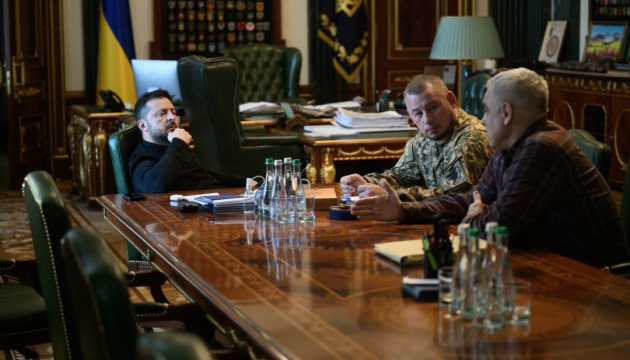
A “new wave of Russian escalation” means Ukraine expects or is facing another period of heightened Russian military pressure. Zelensky connects the phrase with recent strikes and says Ukraine is preparing responses. The wording signals urgency, but the article does not describe the full scope or exact pattern of the escalation. The clearest examples are the latest strikes on Pryluky and Kramatorsk. Zelensky also referred to reports from Security Service Head Oleksandr Poklad and presidential office Deputy Head Pavlo Palisa. These reports appear to inform Ukraine’s response planning, although the article does not give their contents. Ukraine’s response is being prepared while officials seek more help from partners. The immediate priorities named are air-defense systems, ammunition for F-16s, sanctions pressure, and financial support. The next phase therefore combines military preparation, international diplomacy, and continued attention to requests from commanders at the front.
Based on reporting by Ukrinform English
What does Zelensky mean by a “new wave of Russian escalation” in this context?
A “new wave of Russian escalation” means Ukraine expects or is facing another period of heightened Russian military pressure. Zelensky connects the phrase with recent strikes and says Ukraine is preparing responses. The wording signals urgency, but the article does not describe the full scope or exact pattern of the escalation.
The clearest examples are the latest strikes on Pryluky and Kramatorsk. Zelensky also referred to reports from Security Service Head Oleksandr Poklad and presidential office Deputy Head Pavlo Palisa. These reports appear to inform Ukraine’s response planning, although the article does not give their contents.
Ukraine’s response is being prepared while officials seek more help from partners. The immediate priorities named are air-defense systems, ammunition for F-16s, sanctions pressure, and financial support. The next phase therefore combines military preparation, international diplomacy, and continued attention to requests from commanders at the front.
What responses is Ukraine preparing, and what kinds of help is it requesting from foreign partners?
Ukraine is preparing responses on several fronts because Zelensky says Russia has entered another wave of escalation. The country is not relying on one measure. It is coordinating military planning, partner support, and frontline needs. This matters because defense depends on both immediate protection and sustained supplies.
The article names air-defense systems and ammunition for F-16s as key requests to foreign partners. Zelensky also wants stronger sanctions pressure on Russia, especially after strikes on Pryluky and Kramatorsk. Separately, Ukraine continues fulfilling requests raised by combat corps and brigade commanders during meetings on the front lines.
The effort therefore joins battlefield action with international cooperation. Partners may provide equipment, ammunition, financial support, or economic pressure on Russia. Zelensky thanked countries willing to help, while Ukraine works through all available channels. The article does not list specific quantities, delivery dates, or additional requested equipment.
How broad is the international support Ukraine is seeking, from air-defense systems and F-16 ammunition to sanctions and financial aid?
The support Ukraine is seeking is broad in both purpose and method. It includes tools to stop attacks, supplies to operate fighter jets, sanctions to pressure Russia, and financial assistance. This range matters because defending the country requires immediate protection as well as resources for continued operations.
The article specifically names air-defense systems and ammunition for F-16s. It also reports Zelensky’s expectation that partners will increase sanctions pressure on Russia after strikes on Pryluky and Kramatorsk. Financial support is another requested form of assistance. Together, these measures target battlefield defense, military readiness, Russia’s economic capacity, and Ukraine’s broader ability to continue resisting.
Zelensky says Ukraine is working through all available channels with partners and thanks every country willing to help. However, the article gives no total number of countries, systems, aircraft, ammunition rounds, or funds. Its central point is the breadth of the request, rather than a quantified aid package or confirmed delivery schedule.
What are air-defense systems, and how can they protect people and infrastructure from missile and drone strikes?
Air-defense systems are military networks and equipment designed to detect, track, and stop airborne threats. Depending on the system, they may use radar, command centers, and interceptor missiles or other defensive weapons. Their purpose is to protect people, cities, military positions, and important infrastructure from attacks launched through the air.
When a missile or drone is detected, the system can identify its path and guide an interceptor toward it. Destroying or diverting the threat before impact can reduce casualties and damage. Protection is not automatic, however. Coverage may be stronger in some areas than others, and defenders need functioning equipment, trained crews, and enough interceptors.
The article identifies additional air-defense systems as one of Ukraine’s main requests to partners. Zelensky especially wants more protection after the latest strikes on Pryluky and Kramatorsk. The article does not name particular systems or report how many are available. More equipment could strengthen defensive coverage, but no delivery is confirmed here.
What are F-16 fighter jets, and why does access to their ammunition matter to Ukraine’s ability to defend itself?
F-16 fighter jets are military aircraft designed for air operations, including missions that can help defend airspace. Access to suitable ammunition matters because an aircraft needs the right weapons to engage threats or support combat tasks. The jets alone do not provide their full capability without trained personnel, maintenance, and adequate supplies.
In practical terms, ammunition gives F-16 crews the means to use their aircraft during combat. It can support missions against airborne or other military targets, depending on the weapon and assignment. The article does not identify the specific ammunition requested, its quantity, or the missions Ukraine plans to conduct with it.
Zelensky says Ukraine is working with partners who can provide additional ammunition for F-16s. This request is part of a wider effort that also includes air-defense systems, sanctions, and financial support. If supplies arrive, Ukraine could have more options for defense; the article, however, does not confirm deliveries or describe their timing.
What can happen to Ukraine’s cities, troops, and military operations if Russian strikes intensify while defensive supplies remain limited?
If Russian strikes intensify while supplies remain limited, Ukraine could face greater risks to populated areas, infrastructure, troops, and military activity. Air defenses might have fewer opportunities to intercept incoming threats, while aircraft could have less ammunition for assigned missions. These are general consequences of constrained defenses; the article does not quantify expected damage.
The article points to recent strikes on Pryluky and Kramatorsk and says Zelensky wants additional means of protection. It also identifies ammunition for F-16s as a partner request. The key mechanism is straightforward: stronger attacks create more demands on defensive systems and ammunition stocks. Limited supplies can make it harder to respond across multiple locations or missions.
Ukraine is trying to reduce that risk by preparing responses, seeking partner support, and fulfilling requests from combat corps and brigade commanders. Zelensky also seeks financial aid and stronger sanctions pressure. The article gives no timeline or forecast, but continued support is presented as important to Ukraine’s ability to meet the escalation.
What are economic sanctions, and how can countries use them to limit an aggressor’s ability to finance and equip a war?
Economic sanctions are government-imposed restrictions on a country, companies, institutions, or individuals. They can limit trade, financial transactions, investment, access to technology, or other economic relationships. Their goal is to raise the cost of an aggressor’s actions and reduce resources that could support military activity.
Countries can use sanctions by restricting access to funds, blocking transactions, or limiting trade in important goods and services. These measures may affect government revenue, companies, and supply networks. Their impact depends on how widely countries apply them and how effectively restrictions are enforced. The article does not identify specific sanctions or measure their economic results.
Zelensky expects partners to increase sanctions pressure on Russia, especially after the latest strikes on Pryluky and Kramatorsk. He presents sanctions alongside air-defense systems and financial support as part of Ukraine’s broader response. This shows that international assistance is not limited to weapons. It also includes economic steps intended to pressure Russia while Ukraine strengthens its defense.
Key Facts:
📌 Zelensky said Ukraine is preparing responses to a new wave of Russian escalation.
📌 He linked the escalation discussion to recent strikes on Pryluky and Kramatorsk.
📌 The article does not specify every action included in the new escalation.
📌 Ukraine is preparing responses to Russian escalation.
📌 Partners are being asked for air-defense systems and F-16 ammunition.
📌 Zelensky also called for sanctions pressure and financial support.
📌 Ukraine seeks air-defense systems, F-16 ammunition, sanctions pressure, and financial support.