News · Politics & Governance
Parliament, Government set key bills needed for Ukraine’s funding
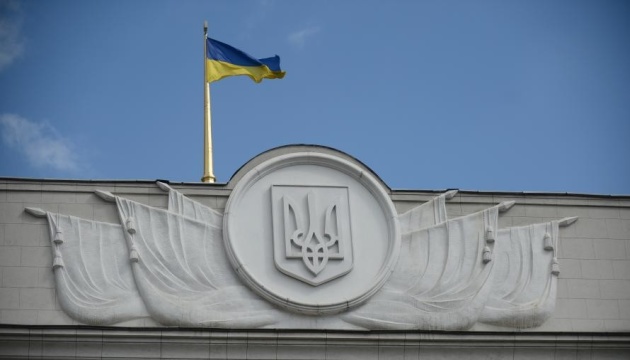
Ukraine’s Parliament and Government agreed to coordinate closely before the next plenary week. Their shared aim is to adopt decisions needed for international commitments and continued financial support. This matters because delays could affect Ukraine’s finances, European integration, and partners’ confidence. They agreed to set legislative priorities, work with parliamentary committees and factions, and provide explanations for each bill. Parliament will focus on priority legislation when plenary sessions begin. The Government will speed up decisions within its own authority. This creates parallel work on laws and government measures. The schedule is tight. Plenary sessions are due to begin on October 12, while all necessary government-level decisions must be adopted by October 15. The officials described the week as challenging but said their responsibility is shared. Their coordination is intended to deliver the results required by international agreements and funding arrangements.
Based on reporting by Ukrinform English
What did Ukraine’s Parliament and Government agree to do before the upcoming plenary week?
Ukraine’s Parliament and Government agreed to coordinate closely before the next plenary week. Their shared aim is to adopt decisions needed for international commitments and continued financial support. This matters because delays could affect Ukraine’s finances, European integration, and partners’ confidence.
They agreed to set legislative priorities, work with parliamentary committees and factions, and provide explanations for each bill. Parliament will focus on priority legislation when plenary sessions begin. The Government will speed up decisions within its own authority. This creates parallel work on laws and government measures.
The schedule is tight. Plenary sessions are due to begin on October 12, while all necessary government-level decisions must be adopted by October 15. The officials described the week as challenging but said their responsibility is shared. Their coordination is intended to deliver the results required by international agreements and funding arrangements.
What kinds of bills are being prioritized, and which international commitments are they meant to fulfill?
The priority legislation covers European integration and obligations linked to Ukraine’s international partners. The officials specifically mentioned the Ukraine Facility, the IMF program, and other agreements. These bills matter because passing them helps Ukraine meet agreed conditions and supports the release of international financial assistance.
One concrete area is legislation connected with European integration and the unblocking of EU accession negotiation clusters. Parliament is expected to consider such bills during its upcoming sessions. The mechanism is straightforward: Ukraine adopts required laws, demonstrates progress on commitments, and remains eligible for support tied to those commitments.
The current agenda combines domestic policymaking with external deadlines. Parliament must give priority consideration to the relevant bills, while the Government adopts decisions within its own responsibility. Together, these steps are intended to keep funding on schedule and advance Ukraine’s European integration process. The article does not list every bill by title.
What is the Ukraine Facility, and how does it provide financial support to Ukraine?
The Ukraine Facility is a European Union financial instrument for supporting Ukraine over several years. Under established EU information, it can provide up to €50 billion for 2024–2027. It matters because it offers predictable support while linking funding to Ukraine’s recovery, reforms, and progress toward European integration.
Its key mechanism is conditional financing. The EU releases funds in stages after Ukraine meets agreed policy steps and reporting requirements. Support can include grants and loans. The exact payment schedule and conditions depend on the facility’s arrangements with Ukraine. These details are not provided in the article itself.
In the article, the Ukraine Facility appears alongside the IMF program and other international agreements as a reason for urgent legislation. Parliament must adopt relevant bills, while the Government must implement its commitments. Meeting those obligations helps Ukraine receive international funding on time. The article does not state a specific Ukraine Facility payment or tranche.
How much financial assistance is Ukraine expected to receive through the Ukraine Facility, the IMF program, and other international agreements?
No total figure appears in the source article for assistance expected through the Ukraine Facility, the IMF program, and other agreements. That omission matters because the article focuses on the laws and decisions needed to unlock support, not on announcing a funding package or payment amount.
Using established EU information, the Ukraine Facility provides for up to €50 billion for Ukraine during 2024–2027. This is a maximum overall facility amount, not necessarily the amount disbursed at one time. The article gives no separate figure for Ukraine’s IMF program or for assistance under other international agreements.
The practical message is therefore about access rather than scale. Parliament and Government must meet commitments so international funding arrives on time. Without figures for the IMF and other arrangements, a combined total cannot be calculated from the article. Any precise overall estimate would require current information from the relevant institutions and agreements.
Why do international partners make some funding conditional on Ukraine passing specific laws and implementing reforms?
International partners often make funding conditional because they need evidence that agreed reforms and policies are being implemented. Conditions can protect public money, improve governance, and connect support to concrete outcomes. They also give Ukraine a clear path for meeting commitments linked to European integration and economic programs.
The mechanism is milestone-based. Ukraine’s Parliament passes required laws, while the Government adopts and implements related decisions. Partners can then assess whether the agreed steps have been completed before releasing further assistance. The article identifies this pattern by linking legislation under the Ukraine Facility, the IMF program, and other agreements to timely funding.
This arrangement makes domestic decisions financially significant. A bill is not only a national policy choice; it can also be evidence of compliance with an international program. The article says adopting relevant bills is crucial for fulfilling commitments and receiving funds on time. It does not list every condition or explain each partner’s specific assessment process.
What could happen to Ukraine’s public finances and international support if the required decisions are delayed or not adopted?
The immediate risk is that Ukraine may not receive international funding on schedule. The officials said relevant bills are crucial for fulfilling commitments and securing financial support. This is especially important because they described the country’s public-finance situation as difficult.
For example, if Parliament delays a required bill or the Government misses a related decision, Ukraine may fail to complete a program step by its deadline. That can slow or postpone support connected with the Ukraine Facility, the IMF program, or another agreement. The article does not identify a specific payment that would be withheld.
The broader consequences could extend beyond one funding decision. Delays may damage partners’ trust, slow European integration, and reduce financial resilience. Parliament’s plenary sessions are scheduled for October 12, and government-level decisions are due by October 15. The officials therefore treat the deadlines as shared responsibilities, with coordinated action needed to keep commitments and funding moving.
How do the Verkhovna Rada and the Cabinet of Ministers divide responsibility for turning international commitments into Ukrainian policy and law?
The Verkhovna Rada and the Cabinet of Ministers have different but connected responsibilities. Parliament considers and adopts the laws needed for international commitments. The Cabinet handles decisions within the Government’s authority and accelerates implementation of its part of the commitments. Both institutions must act for the same goals.
The article gives a practical division of work. Parliament will prioritize relevant bills during plenary sessions and coordinate with committees, factions, and groups. The Government must adopt all necessary decisions at its level by October 15. Officials also said the Government and Parliament are coordinating at all levels and providing explanations for the bills.
This arrangement turns international agreements into Ukrainian law, policy, and administrative action. Parliament supplies the legislative basis, while the Cabinet puts government responsibilities into effect. The process is time-sensitive because both sides must complete their tasks for Ukraine to meet commitments and receive international funding on time. The article presents this as a shared responsibility.
Key Facts:
📌 Parliament and Government agreed on legislative priorities before the plenary week.
📌 Plenary sessions are scheduled to begin on October 12.
📌 Government-level decisions must be adopted by October 15.
📌 Priorities include European integration initiatives.
📌 Bills support commitments under the Ukraine Facility and IMF program.
📌 Some legislation concerns unblocking EU accession negotiation clusters.
📌 The Ukraine Facility is an EU financial instrument for Ukraine.