News · Health & Medicine
Kenya Tightens Ebola Checks at Nairobi Airport
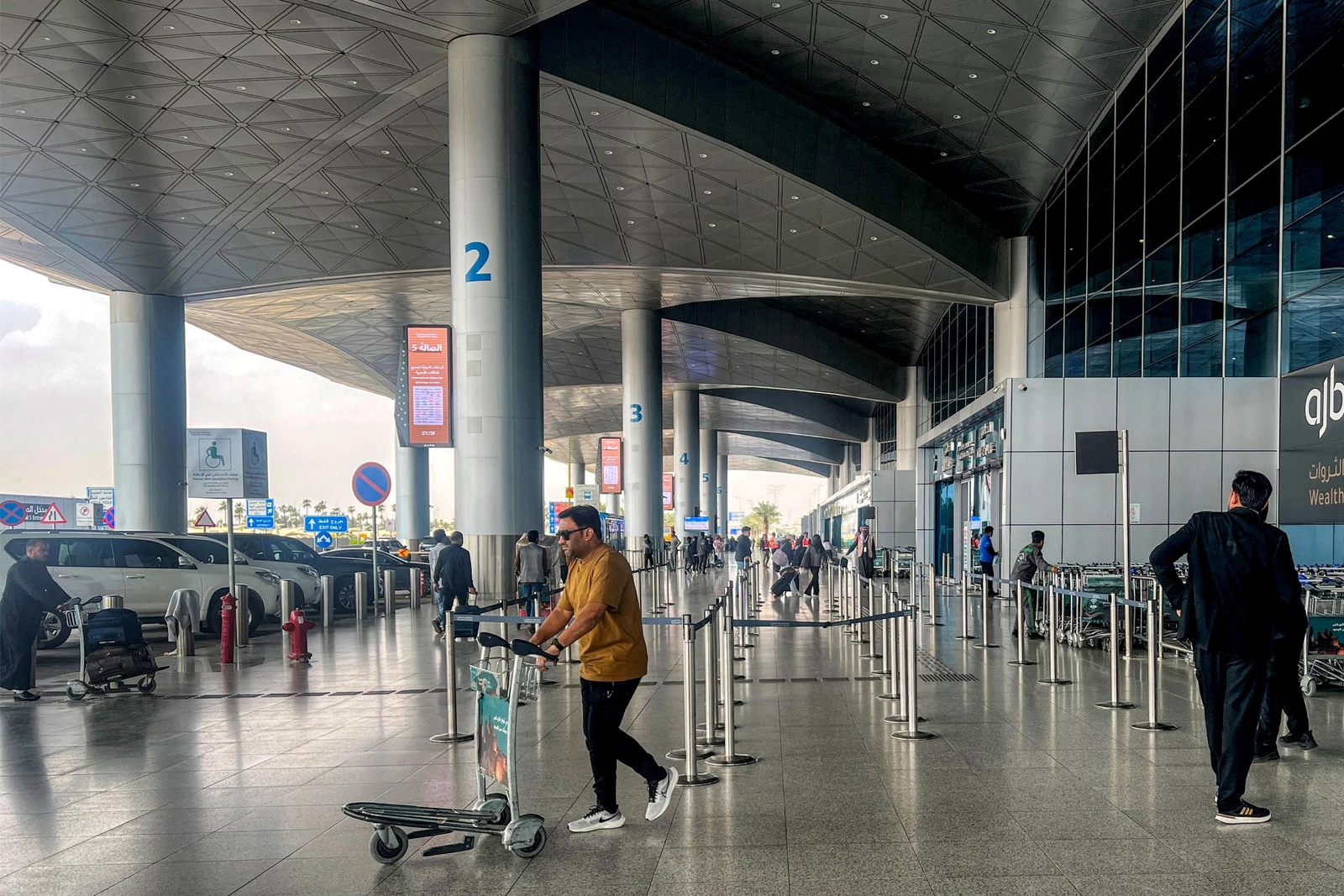
The main change is targeted screening at Jomo Kenyatta International Airport, Nairobi’s international gateway. Passengers arriving from 10 African countries now use Gate 16 instead of the usual processing route. The measure matters because Kenya confirmed its first imported Ebola case, but officials still describe the situation as one case rather than an outbreak. At Gate 16, travellers must provide verified health details and disclose medicines taken during the previous month. Kenya also asks arriving passengers to complete an online form before landing, which officials say can reduce airport crowding. Health declaration forms were added for departing passengers too. For US visitors arriving from outside Africa, the State Department rating and CDC guidance remain unchanged. Kenya still requires the online travel permit, which costs from US$30. Officials say the country remains open to travel, tourism, trade and investment, while screening and contact tracing continue.
Based on reporting by Brazil Rio Times
What changed for passengers arriving at Nairobi’s airport after Kenya confirmed its first imported Ebola case?
The main change is targeted screening at Jomo Kenyatta International Airport, Nairobi’s international gateway. Passengers arriving from 10 African countries now use Gate 16 instead of the usual processing route. The measure matters because Kenya confirmed its first imported Ebola case, but officials still describe the situation as one case rather than an outbreak.
At Gate 16, travellers must provide verified health details and disclose medicines taken during the previous month. Kenya also asks arriving passengers to complete an online form before landing, which officials say can reduce airport crowding. Health declaration forms were added for departing passengers too.
For US visitors arriving from outside Africa, the State Department rating and CDC guidance remain unchanged. Kenya still requires the online travel permit, which costs from US$30. Officials say the country remains open to travel, tourism, trade and investment, while screening and contact tracing continue.
What is Ebola, and how is it transmitted from one person to another?
Ebola is an illness caused by viruses that can produce Ebola disease. The Kenyan patient had Bundibugyo virus, one of the viruses that cause Ebola disease. This distinction matters because the main concern is contact with an infected person, rather than ordinary exposure to air in an airport terminal.
Kenya’s public health secretary, Mary Muthoni, stressed that Ebola spreads through contact and not through the air. That is why officials focus on identifying people who may have had contact with the patient. The country identified 57 contacts after the imported case, including passengers and crew members from the relevant journey.
The response therefore emphasizes health declarations, screening, contact identification and quarantine capacity. Officials also asked people to avoid unnecessary handshakes and hugs. These measures aim to reduce contact opportunities while allowing Kenya to remain open, since officials reported one imported case and no declared outbreak.
Which 10 countries’ arrivals must use Gate 16, and what additional health information must they provide?
Kenya routes arrivals from 10 African countries through Gate 16 for enhanced health checks. The countries are the Democratic Republic of Congo, Uganda, Rwanda, Burundi, South Sudan, Ethiopia, Angola, Zambia, Tanzania and the Central African Republic. The rule concentrates screening where officials see a higher need for health checks.
Passengers must give verified health details and disclose any medicine taken during the previous month. Officials also urged travellers to complete an online form before landing. The focus follows reports that Kenya’s patient had been unwell and taking medication before he travelled. Kenya added health declaration forms for departing passengers as well.
The article does not state whether passengers merely changing planes in one of the listed countries must use Gate 16. That point remains open. For now, the airport’s measure applies to arrivals from the named countries, while officials continue screening at 15 points of entry and have checked more than 652,000 travellers.
How large was Kenya’s immediate response, in terms of identified contacts, people quarantined, and beds set aside?
Kenya’s immediate response combined contact tracing with quarantine and treatment capacity. By Thursday, 8 October, health officials had identified 57 contacts linked to the imported case. This mattered because the patient had travelled through Uganda before flying to Nairobi, creating a need to locate people who might have encountered him.
The 57 contacts included 23 passengers and four crew members. On Wednesday, 10 contacts were in quarantine at Nairobi’s National Police Service Hospital. Officials also set aside 241 beds for isolation, treatment and quarantine, with designated sites including Port Reitz Hospital in Mombasa.
These figures describe the early response, not a declared national outbreak. Officials continued to report a single imported case on Thursday, and Mary Muthoni said the previous day that Kenya did not have an Ebola outbreak. The scale could change if more contacts are found or if testing reveals additional cases.
What happens after health officials identify someone who may have been exposed to Ebola?
After officials identify someone who may have been exposed, they record that person as a contact and arrange public health measures. In Kenya, this meant tracing passengers and crew linked to the imported case. The process matters because officials can watch the people connected to a case instead of closing the country’s borders.
By 8 October, Kenya had identified 57 contacts, including 23 passengers and four crew members. Ten contacts were in quarantine at the National Police Service Hospital in Nairobi. The government also set aside 241 beds for isolation, treatment and quarantine, including at Port Reitz Hospital in Mombasa.
The article does not describe every later step for each contact, such as testing schedules or release rules. It does show an active system of tracing and quarantine. Officials still reported one imported case and said no Ebola outbreak had been declared, so the response remained focused on contained follow-up.
Why can screening and contact tracing be used to limit Ebola’s spread without closing Kenya’s borders?
Screening and contact tracing target the people and journeys most connected to a possible infection. That approach can reduce health risks while allowing travel, tourism, trade and investment to continue. It matters for Kenya because officials said the country remained open after its first imported case.
Kenya routes arrivals from 10 countries through Gate 16, collects health details and identifies people connected to the patient. By 8 October, officials had found 57 contacts, including 23 passengers and four crew members. Ten were in quarantine, and 241 beds were available for isolation, treatment and quarantine.
The World Health Organization advised against restrictions on travel to or trade with Kenya, Congo or Uganda. Its chief, Tedros Adhanom Ghebreyesus, said blanket restrictions work less well than screening and contact tracing. Kenya’s approach could continue if officials keep finding cases early, locating contacts and separating people who need care or quarantine.
Why is Ebola considered a contact-transmitted disease rather than an airborne disease, and how does that difference shape airport precautions?
Ebola is considered contact-transmitted because Kenya’s principal secretary for public health said it spreads through contact with an infected person, not through the air. That difference shapes the response. Officials do not need to treat ordinary shared air as the central airport risk described in the article.
Instead, Kenya focuses on travellers whose journeys or health information may connect them to risk. Arrivals from 10 African countries use Gate 16 for enhanced checks. They provide verified health details and disclose medicines taken during the previous month. Officials also ask people to avoid unnecessary handshakes and hugs.
The airport measures are paired with contact tracing and quarantine. Kenya identified 57 contacts, including passengers and crew, and had 10 people in quarantine. Officials set aside 241 beds for isolation, treatment and quarantine. The article presents this targeted approach alongside an open border and no declared Ebola outbreak, while leaving connecting-passenger rules unresolved.
Key Facts:
📌 Arrivals from 10 African countries now use Gate 16 at Nairobi airport.
📌 Travellers must provide health details and recent medication information.
📌 Most US visitors face no changed entry rules or travel advisory.
📌 The Kenyan case involved Bundibugyo virus.
📌 Ebola spreads through contact with an infected person.
📌 Muthoni said Ebola does not spread through the air.
📌 Gate 16 covers arrivals from 10 named African countries.