News · Health & Medicine
Youth helpline reports 87% rise in mental-health calls so far this year
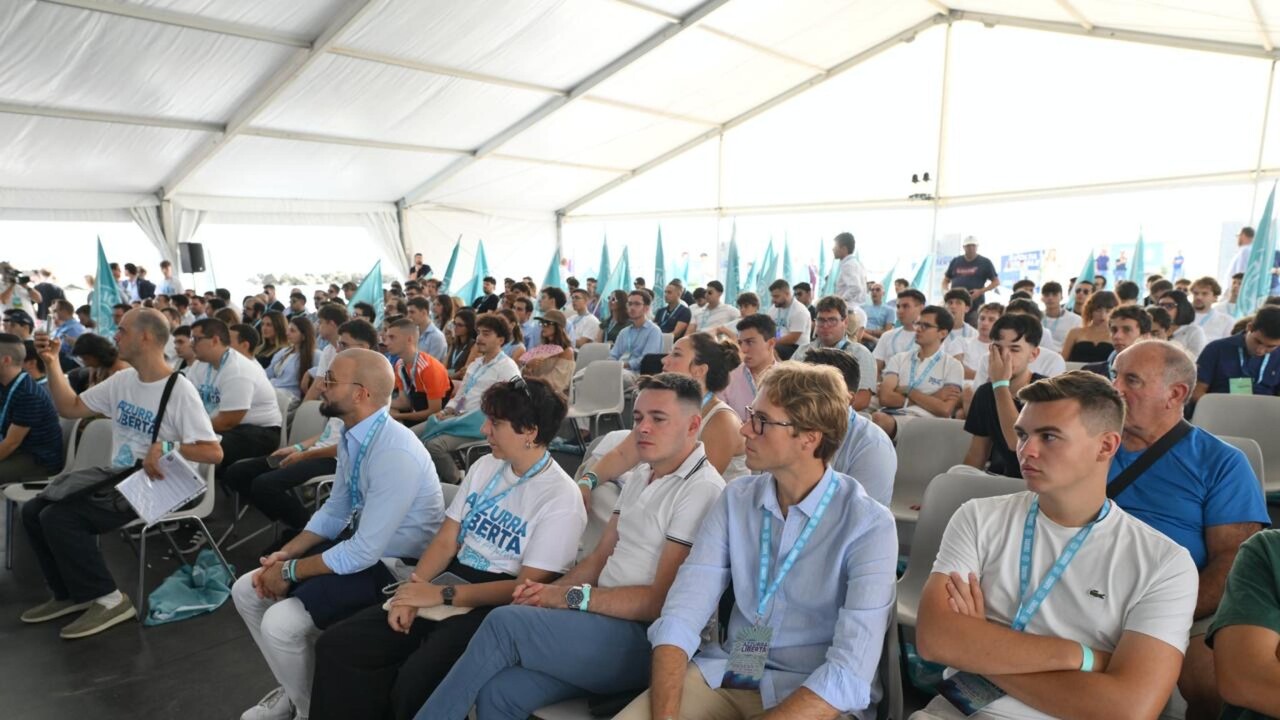
Telefono Azzurro recorded a sharp change in the reasons young people sought help during the first nine months of 2026. Mental-health-related cases rose from 687 in the same period of the previous year to 1,286. This shows that emotional and psychological concerns became a larger part of the service’s work. The increase was not only numerical. Mental-health issues now represented the primary reason behind more than one in three requests, or 35.7%. Two years earlier, the figure was 30.1%. Reported indicators included anxiety, sadness, and loneliness. Some cases also involved body image, self-esteem, or food-related difficulties. The figures matter because they point to growing demand for support among adolescents and young people. The service is mainly used by teenagers averaging 15 years old. Telefono Azzurro is responding by placing youth well-being at the center of a Bologna meeting focused on digital pressures and practical support.
Based on reporting by ANSA English
What changed in Telefono Azzurro's youth helpline data during the first nine months of 2026?
Telefono Azzurro recorded a sharp change in the reasons young people sought help during the first nine months of 2026. Mental-health-related cases rose from 687 in the same period of the previous year to 1,286. This shows that emotional and psychological concerns became a larger part of the service’s work.
The increase was not only numerical. Mental-health issues now represented the primary reason behind more than one in three requests, or 35.7%. Two years earlier, the figure was 30.1%. Reported indicators included anxiety, sadness, and loneliness. Some cases also involved body image, self-esteem, or food-related difficulties.
The figures matter because they point to growing demand for support among adolescents and young people. The service is mainly used by teenagers averaging 15 years old. Telefono Azzurro is responding by placing youth well-being at the center of a Bologna meeting focused on digital pressures and practical support.
How large was the increase, and how many cases involved suicidal thoughts, suicide attempts, or self-harm?
Telefono Azzurro reported an 87.2% rise in mental-health-related cases during the first nine months of 2026. The number climbed from 687 during the same period of the previous year to 1,286. That means the service handled 599 more cases in this category than before.
The most serious situations were also substantial. In 417 cases, young people reported suicidal thoughts, suicide attempts, or acts of self-harm. The organization described this as nearly one-third of all mental-health-related incidents. These reports show why requests involving distress require careful attention and timely support.
The figures cover contacts made through Telefono Azzurro’s 1.96.96 service. Most initial contacts came through chat or WhatsApp, rather than phone calls. The data therefore capture a growing demand for help in formats young people are choosing to use. The article does not state whether the rise reflects worsening conditions, greater awareness, or both.
What is Telefono Azzurro's 1.96.96 service, and what does it mean when a case is classified as mental-health-related?
Telefono Azzurro’s 1.96.96 service is the youth helpline through which the reported figures were collected. The article identifies it as a route for young people to request help. Initial contacts can arrive through chat, WhatsApp, or telephone, with digital channels accounting for most contacts.
A case is classified as mental-health-related when psychological or emotional well-being is the main reason for seeking help. The article gives several examples. They include anxiety, sadness, loneliness, body-image concerns, low self-esteem, and difficulties connected with food. The category also includes reports of suicidal thoughts, suicide attempts, or self-harm.
The article does not provide a formal diagnostic definition. A classification therefore describes the subject of the help request, not necessarily a clinical diagnosis. This distinction matters because a young person can seek support for distress without having a diagnosed mental illness. The service’s figures measure reported concerns, not confirmed diagnoses.
Who is using the service, and why are most young people contacting it through chat or WhatsApp rather than by phone?
Telefono Azzurro’s service is used mainly by adolescents. Their average age is 15, and seven out of ten users are girls. This gives the data a clear youth focus and shows that the service is especially important for teenagers facing emotional, social, or digital pressures.
Young people increasingly begin contact by text. Chat or WhatsApp account for 85% of initial contacts, while phone calls account for 15%. Digital contact may feel more familiar or less intimidating to some users, but the article does not state the reason for this preference. It only records the communication pattern.
This pattern shapes how youth support is delivered. A service that wants to reach adolescents needs channels they are already choosing. Telefono Azzurro’s event will address social media pressure, cyberbullying, and artificial intelligence alongside anxiety and well-being. These topics connect the service’s communication methods with the digital environment affecting young people’s lives.
What kinds of help can a youth helpline offer when someone reports anxiety, loneliness, suicidal thoughts, or self-harm?
When a young person reports anxiety, loneliness, suicidal thoughts, or self-harm, a helpline can offer a first point of contact with someone who listens without judgment. Telefono Azzurro describes its wider goal as creating safe spaces for listening, prevention, and participation. This matters when a young person may not know whom to approach.
The key mechanism is a supportive conversation followed by appropriate next steps. A trained service can clarify what is happening, assess whether there may be immediate danger, encourage contact with a trusted adult or professional, and help connect the person with suitable services. The article does not list the helpline’s specific procedures, so these are general functions of youth crisis support.
Suicidal thoughts, attempts, and self-harm appeared in 417 reported cases. Such disclosures should be treated as urgent. Anyone facing immediate danger should contact local emergency services or a qualified crisis professional, rather than relying only on written information. Ongoing support can then involve family, school staff, doctors, or mental-health specialists.
Besides contacting a helpline, what other support routes are available to young people, such as schools, families, doctors, or mental-health professionals?
A helpline is one entry point, not the only route to help. A young person may speak with a trusted family member, teacher, school counselor, doctor, psychologist, or psychiatrist. These supports can provide regular contact, assess needs, and help arrange care. The best route depends on the seriousness and nature of the concern.
Schools can notice changes, offer a safe adult, and connect students with counseling or health services. Families can provide daily support and help a young person reach professional care. Doctors and mental-health professionals can assess symptoms and recommend treatment or other services. These are general support pathways; the article does not describe specific referral systems in Italy.
Telefono Azzurro’s Bologna event brings students together with institutions and experts. It also involves the University of Bologna and the IRCCS Institute of Neurological Sciences of Bologna. The organization says schools, universities, institutions, and civil society can join forces to build concrete solutions for listening, prevention, and participation.
What is mental health, and how is it different from having a mental illness or experiencing temporary emotional distress?
Mental health describes how a person handles feelings, relationships, daily pressures, and life changes. It exists on a range and can change over time. Someone may have good mental health at one point and struggle at another. The article highlights anxiety, sadness, loneliness, self-esteem concerns, and body-image difficulties as issues affecting young people.
Mental illness usually refers to a recognized health condition with patterns of symptoms that cause significant distress or interfere with daily life. Temporary emotional distress is different. It may follow a difficult event or period and can improve with support, rest, safety, or time. Distress can still deserve attention even when it does not meet criteria for a disorder.
The article does not define these terms clinically. Its figures count help requests classified as mental-health-related, not confirmed diagnoses. That distinction is important. The 1,286 cases show demand for support, while the 417 reports involving suicidal thoughts, attempts, or self-harm signal situations needing especially urgent attention and professional assessment.
Key Facts:
📌 Mental-health-related cases rose from 687 to 1,286.
📌 Mental-health issues caused 35.7% of help requests.
📌 The service is mainly used by adolescents averaging 15 years old.
📌 Mental-health-related cases increased by 87.2%.
📌 The total rose from 687 to 1,286 cases.
📌 Suicidal thoughts, attempts, or self-harm appeared in 417 cases.
📌 The figures come from Telefono Azzurro’s 1.96.96 service.