News · Defence & Security
US will not resume strikes on Iran before midterms — Trump
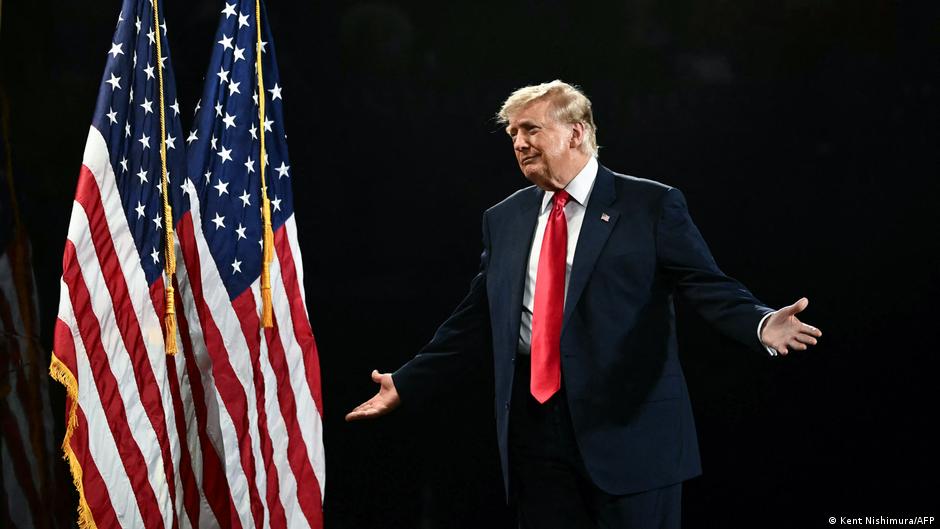
Trump announced that he would not order US military strikes on Iran before the November 3 midterm elections. The decision matters because renewed attacks could dominate news coverage and intensify voter concerns about an already unpopular war, fuel prices, and the economy. The announcement came after The Atlantic and another US media outlet reported that Trump was weighing possible strikes. The Atlantic reported that maintaining relative calm until after the election could keep the war out of the news. The United States had not struck Iran in recent weeks. The Pentagon said it remained ready if Trump ordered action. Trump also said his team was holding productive discussions with Iran. Meanwhile, the military was sending more resources to the region, including a third aircraft-carrier strike group expected by the end of November. The announcement therefore paused immediate escalation but did not rule out later strikes.
Based on reporting by DW News
What did Trump announce about US military strikes on Iran before the November 3 midterm elections?
Trump announced that he would not order US military strikes on Iran before the November 3 midterm elections. The decision matters because renewed attacks could dominate news coverage and intensify voter concerns about an already unpopular war, fuel prices, and the economy.
The announcement came after The Atlantic and another US media outlet reported that Trump was weighing possible strikes. The Atlantic reported that maintaining relative calm until after the election could keep the war out of the news. The United States had not struck Iran in recent weeks.
The Pentagon said it remained ready if Trump ordered action. Trump also said his team was holding productive discussions with Iran. Meanwhile, the military was sending more resources to the region, including a third aircraft-carrier strike group expected by the end of November. The announcement therefore paused immediate escalation but did not rule out later strikes.
What are US midterm elections, and which offices are voters choosing in them?
US midterm elections are nationwide elections held roughly halfway through a president’s four-year term. They matter because voters can change which party controls Congress without electing a new president. The November 3 election described in the article is therefore an important judgment on the administration and its policies.
Voters choose members of Congress: representatives in the House of Representatives and, in relevant election cycles, senators in the Senate. House elections involve every voting district, while only some Senate seats are contested at each midterm. The article focuses on citizens electing members of Congress and on how economic and foreign-policy issues may affect those races.
The election’s timing shaped Trump’s announcement about Iran. The article says the war was deeply unpopular, while high fuel and grocery prices were pressuring voters. Keeping fighting from restarting before voting could limit another political and economic burden, although the article does not predict the election’s result.
Why can the US president order military strikes, and what role does Congress have in decisions about war?
The president can order military strikes because the Constitution makes the president commander in chief of the US armed forces. In practice, presidents direct military operations and respond quickly to threats. That authority does not mean the president has unlimited power to wage war indefinitely.
Congress has important responsibilities. It can declare war, authorize military force, control military funding, and investigate or restrict operations through legislation. The War Powers Resolution also seeks to require consultation with Congress and limits certain deployments without congressional approval. Courts and the Constitution add further legal boundaries, although disputes can arise.
The article illustrates this division of responsibility. Trump said he would decide whether to resume strikes, while a Pentagon official said the department had to prepare if he ordered them. Congress is not described as approving or rejecting these specific strikes, so the article leaves its direct role in this episode unstated.
What is a ceasefire, and why did the April ceasefire between the US and Iran fail to end the fighting?
A ceasefire is an agreement by opposing sides to pause or stop military fighting. It can reduce immediate violence and create space for negotiations, but it does not automatically resolve the dispute or produce a lasting peace agreement. Its survival depends on both sides continuing to observe its terms.
The United States and Iran agreed to a ceasefire in April. According to the article, that agreement did not hold because both countries resumed fighting in the months that followed. The text does not identify a particular violation, trigger, or breakdown in negotiations, so no more specific explanation can be established from the report.
The failed ceasefire helps explain why renewed strikes remained possible. Trump told the UN General Assembly that he could still escalate the war, while the Pentagon prepared for possible action. At the same time, Trump later said his team was having productive discussions with Iran, suggesting diplomacy and military planning were continuing together.
How could renewed fighting with Iran affect fuel prices, grocery costs, and voters' concerns about the economy?
Renewed fighting with Iran could raise fuel prices by creating fears that oil supplies or shipping routes might be disrupted. More expensive fuel can increase transportation and production costs, which may feed into prices for groceries and other goods. The article says US fuel and grocery prices were already high.
The Strait of Hormuz is a vital oil-shipping route, and the article says a fifth of the world’s oil once flowed through it. If conflict threatened that waterway, traders could react before any actual shortage occurred. They might bid up oil prices because future supply could become less reliable. Higher fuel costs would then affect drivers, businesses, and food distribution.
These economic effects matter politically. The article says many voters already felt pressure from high grocery and other prices, while the economy ranked among their top concerns. A renewed war could therefore deepen dissatisfaction and weigh on candidates in Trump’s Republican Party during the November 3 midterms.
What is the Strait of Hormuz, and how much of the world's oil has historically passed through it?
The Strait of Hormuz is a narrow maritime passage connecting the Persian Gulf with wider international waters. It is a major route for ships carrying oil and other goods. Because so much energy has historically moved through it, disruptions or threats there can affect markets well beyond the Middle East.
The article describes Hormuz as the vital waterway through which a fifth of the world’s oil once flowed. Iran proposed reopening the strait to commercial shipping if the United States met necessary conditions. Trump rejected that proposal publicly at the end of September, and Iran later said it had received a counterproposal.
The strait became part of the wider diplomatic and military crisis. A conflict that restricted shipping could make oil deliveries less predictable and increase pressure on prices. The article does not say that the strait was closed or that a disruption had occurred. It does report continuing discussions and additional US military resources moving to the region.
How do oil supply, transportation routes, and global markets connect a conflict in the Middle East to prices around the world?
Oil supply, transport routes, and global markets form a connected system. Producers need shipping lanes to move oil to refineries and buyers. When conflict threatens production or a major route, traders may fear reduced future supply. Prices can rise globally even before shipments actually stop, because oil is traded in an interconnected market.
The article’s example is the Strait of Hormuz, a waterway through which a fifth of the world’s oil once flowed. If fighting endangered ships or delayed passage, buyers could compete for fewer reliable deliveries. Higher oil prices would raise the cost of gasoline, heating, manufacturing, and transportation. Businesses often pass some of those costs to consumers through higher prices.
That mechanism links a Middle Eastern conflict to households far away. The article says US fuel, grocery, and other prices were already high, and voters were worried about the economy. Any disruption or perceived risk could intensify those concerns, while the article’s reported discussions may reduce immediate escalation without removing the broader risk.
Key Facts:
📌 Trump said strikes on Iran would not resume before November 3.
📌 The announcement followed reports that Trump was weighing strike options.
📌 The Pentagon said it remained ready for possible strikes.
📌 Midterms occur halfway through a president’s four-year term.
📌 Voters elect members of Congress in midterm elections.
📌 The article identifies the economy as a top voter concern.
📌 The president is commander in chief of the armed forces.