News · Politics & Governance
Reps threaten sanctions against institutions violating NELFUND rules
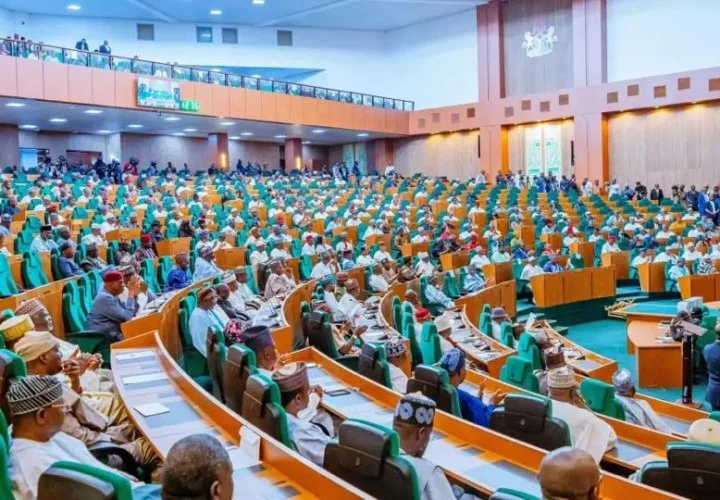
NELFUND stands for the Nigerian Education Loan Fund. It is the fund behind the Federal Government’s student loan programme. Its purpose is to provide eligible students with financial support for their education. This matters because funding can help students continue higher education when paying costs is difficult. NELFUND releases money to beneficiary institutions on behalf of verified students. Institutions must apply the funds fully for the intended purpose. If a student paid tuition before NELFUND disbursed money, the institution must make an appropriate refund. The House committee’s monitoring found concerns about withheld funds, delayed refunds and partial refunds. It warned that poor management could damage students’ confidence and equitable access to funding. The committee said institutions must follow the guidelines, or face possible suspension, fund recovery or referral to enforcement agencies.
Based on reporting by Punch Nigeria
What is NELFUND, and what does it do for Nigerian students?
NELFUND stands for the Nigerian Education Loan Fund. It is the fund behind the Federal Government’s student loan programme. Its purpose is to provide eligible students with financial support for their education. This matters because funding can help students continue higher education when paying costs is difficult.
NELFUND releases money to beneficiary institutions on behalf of verified students. Institutions must apply the funds fully for the intended purpose. If a student paid tuition before NELFUND disbursed money, the institution must make an appropriate refund.
The House committee’s monitoring found concerns about withheld funds, delayed refunds and partial refunds. It warned that poor management could damage students’ confidence and equitable access to funding. The committee said institutions must follow the guidelines, or face possible suspension, fund recovery or referral to enforcement agencies.
What actions by tertiary institutions triggered the House committee’s warning?
The warning followed concerns that some tertiary institutions were not fully following NELFUND’s administration guidelines. The alleged problems involved money meant for verified student beneficiaries. The committee said these practices threatened transparency, accountability and students’ confidence in the loan scheme.
One example was an institution receiving NELFUND funds but withholding them instead of applying them for the students concerned. Another involved students who had already paid tuition before disbursement. Those students could face delayed refunds, or receive only part of the money due to them.
The committee chairman, Ifeoluwa Ehindero, said monitoring activities and engagements revealed the compliance concerns. Institutions were directed to involve their bursars, information and communication technology directors, and NELFUND desk officers in following the financial requirements. Deliberate violations may bring sanctions under Section 5.6.
How many main types of sanctions could institutions face for deliberate violations?
The committee identified three possible sanction routes for institutions deliberately breaching NELFUND guidelines. The measures are suspension from the student loan scheme, recovery of funds, and referral to relevant law enforcement and regulatory agencies. Together, they target participation, money and legal accountability.
For example, an institution that deliberately keeps funds or fails to provide required refunds could be suspended from receiving scheme support. Authorities could also seek to recover money that was withheld or wrongly managed. A referral could bring the matter before agencies with enforcement or regulatory responsibilities.
The committee said these measures may be invoked under Section 5.6 of the NELFUND Guidelines. They are not described as automatic penalties for every mistake. The warning specifically concerns deliberate non-compliance established through the committee’s oversight and monitoring activities.
What could happen to students if institutions delay loan payments or fail to provide full refunds?
Delays can directly affect students who depend on NELFUND support to manage education costs. The committee warned that slow payment notifications and refunds could disrupt academic progress. It also said such delays could worsen the financial difficulties already faced by beneficiaries.
A student might have paid tuition before NELFUND sent money to the institution. In that case, the institution should refund the student appropriately. If it delays the refund or returns only part of the amount, the student may be left covering costs that the scheme was meant to support.
The committee linked these problems to weak transparency and accountability. It directed institutions to apply received funds promptly and fully, including refunds where applicable. Continued failures could undermine confidence in the system and threaten students’ equitable access to higher education funding.
Which government body is responsible for monitoring compliance with the NELFUND guidelines?
Responsibility for the monitoring described in the article rests with the House of Representatives Committee on Student Loans, Scholarships and Higher Education Financing. The committee exercises oversight over how beneficiary institutions manage NELFUND funds. Its role matters because institutions receive money on behalf of verified students.
The committee said recent monitoring activities and engagements exposed cases of withholding, delayed refunds and partial refunds. Its chairman, Ifeoluwa Ehindero, warned that deliberate non-compliance could trigger action under Section 5.6 of the NELFUND Guidelines. The committee also directed institutional officials to follow financial requirements.
The committee plans to strengthen oversight of the scheme. Possible consequences include suspending offending institutions, recovering funds and referring cases to relevant law enforcement or regulatory agencies. The article does not identify another government body as responsible for the committee’s monitoring role.
Why might a student receive a refund if NELFUND pays an institution after the student has already paid tuition?
A refund protects a student who paid tuition before NELFUND disbursed support for that same student. Without a refund, the institution could retain both the student’s original payment and the later NELFUND allocation. The committee therefore included refunds among the funds’ intended uses.
The article describes students who had already paid tuition before disbursement. Once the institution receives NELFUND money for a verified beneficiary, it should process an appropriate refund to that student. The key mechanism is matching the released funds to the student and returning money already paid.
The committee raised concerns about institutions delaying these refunds or making only partial payments. It directed all beneficiary institutions to apply NELFUND funds promptly and fully. Proper refunds support accountability and help prevent students from carrying financial burdens the scheme is intended to ease.
How do student-loan programs use public funds to expand access to higher education while requiring financial accountability?
Student-loan programmes generally expand access by using public funds to help eligible students meet education costs. The public investment aims to reduce financial barriers to higher education. Because the money comes through a public programme, institutions handling it must show that it reaches the intended beneficiaries and purpose.
In the NELFUND scheme, funds are released to beneficiary institutions for verified students. Institutions must apply the money fully and promptly. If a student already paid tuition before disbursement, the institution must make an appropriate refund. These requirements connect access to financial accountability.
The House committee’s warning shows how oversight protects the programme. Monitoring can identify withheld funds, delayed refunds and partial payments. If deliberate non-compliance is established, institutions may face suspension, recovery of funds or referral to enforcement and regulatory agencies. The article focuses on management, not loan repayment terms.
Key Facts:
📌 NELFUND means Nigerian Education Loan Fund.
📌 The fund supports eligible students under the Federal Government’s student loan programme.
📌 Institutions must apply NELFUND funds fully for intended purposes.
📌 Some institutions allegedly withheld funds released for verified students.
📌 Refunds were reportedly delayed or made only partially.
📌 The committee ordered institutions to follow NELFUND financial requirements.
📌 The committee listed three possible sanction routes.