News · Environment & Climate
India faces water and power shortages after weak monsoon
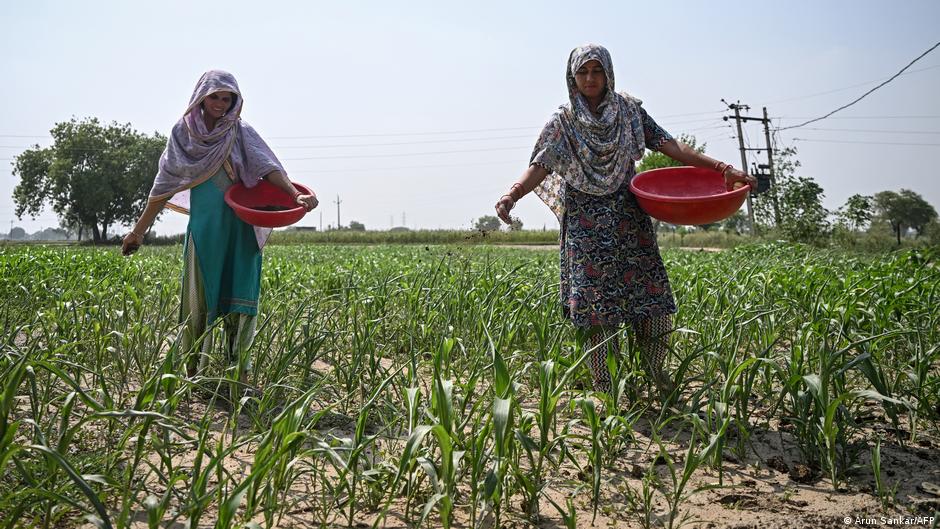
A weak monsoon leaves less water in two essential systems. Farmers need rain and wells for crops, while reservoirs need inflows to supply water and generate hydropower. When rainfall is low, both agricultural production and electricity generation lose an important buffer.
Based on reporting by DW News
How did the weak monsoon create both water shortages for farmers and electricity shortages for the country?
A weak monsoon leaves less water in two essential systems. Farmers need rain and wells for crops, while reservoirs need inflows to supply water and generate hydropower. When rainfall is low, both agricultural production and electricity generation lose an important buffer.
What is the Indian monsoon, and why is its four-month rainy season so important?
The Indian monsoon is the country’s main four-month rainy season, running from June through September. It is more than a weather pattern. The rain refills reservoirs, supports crops, helps sustain water supplies, and contributes to electricity generation through hydropower.
How large was the rainfall shortfall, and how much less water was stored in the country's major reservoirs than usual?
The rainfall shortfall was large enough to make this India’s driest monsoon in 11 years. Between June and September, the country received 759.4 millimeters of rain, against a long-term average of 868.6 millimeters. That represents a 12.6% deficit.
What is El Niño, and how can it reduce rainfall during India's monsoon season?
El Niño is a recurring climate pattern involving unusually warm surface waters in parts of the tropical Pacific Ocean. That warming changes atmospheric circulation across large regions. In established climate science, those circulation changes can weaken the winds and weather conditions that normally bring rain to India.
How can a poor monsoon lead to lower rural incomes, higher food prices, and reduced household spending?
Agriculture supports incomes, employment, and spending across rural India. When rainfall is poor, harvests can fall and farm earnings weaken. If food supplies also decline, prices may rise. Families are then hit twice: they earn less while paying more for essential food.
What alternatives can India use when hydropower falls, especially after sunset when solar power declines?
Hydropower is one part of India’s electricity mix, so low reservoirs reduce available generation. The grid must then find other sources, especially when demand continues after sunset. Solar power cannot provide the same support at that time because its generation declines when daylight ends.
How do reservoirs connect rainfall to farming, drinking-water supplies, and hydropower generation?
Rainfall does not help only when it is falling. Reservoirs capture and store part of the monsoon’s water, creating supplies for later months. That stored water supports irrigation and other water needs. It can also pass through hydropower facilities, converting water movement into electricity.