News · Environment & Climate
Bangladesh approves its largest solar power plant
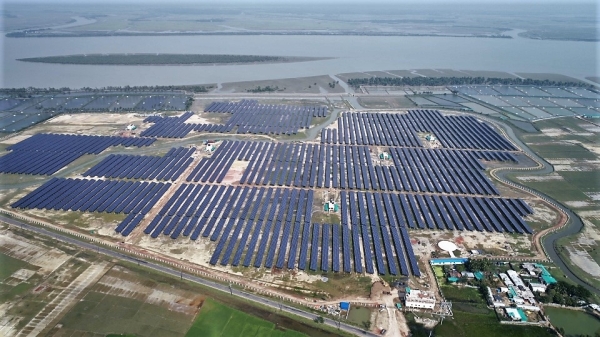
Bangladesh approved its largest planned solar facility at Rampal. The project will produce up to 442 megawatts of electricity when operating at full capacity. It matters because Bangladesh is trying to expand renewable energy while facing fuel disruptions, imported-energy costs, and chronic electricity shortages. The plant will be built on land originally acquired for the second phase of an existing coal-fired power station. The government cancelled that coal expansion and approved the $230-million solar project instead. Officials said the change supports renewable generation and lower carbon emissions. The project received government approval on Wednesday. It is expected to become operational by 2029. The Rampal site is about 14 kilometres from the Sundarbans, the world’s largest mangrove forest. The article does not state that this distance determined the project choice, but it places the development near an environmentally important area.
Based on reporting by Oman Observer
What exactly did Bangladesh approve at Rampal, where will it be built, and when is it expected to begin operating?
Bangladesh approved its largest planned solar facility at Rampal. The project will produce up to 442 megawatts of electricity when operating at full capacity. It matters because Bangladesh is trying to expand renewable energy while facing fuel disruptions, imported-energy costs, and chronic electricity shortages.
The plant will be built on land originally acquired for the second phase of an existing coal-fired power station. The government cancelled that coal expansion and approved the $230-million solar project instead. Officials said the change supports renewable generation and lower carbon emissions.
The project received government approval on Wednesday. It is expected to become operational by 2029. The Rampal site is about 14 kilometres from the Sundarbans, the world’s largest mangrove forest. The article does not state that this distance determined the project choice, but it places the development near an environmentally important area.
What is a solar power plant, and how does it turn sunlight into electricity?
A solar power plant is a large facility that captures sunlight and produces electricity. It matters because sunlight is a renewable energy source, so generating power this way does not require burning coal, oil, or gas during operation. That can reduce fuel use and direct carbon emissions compared with fossil-fuel generation.
Most solar plants use photovoltaic panels. When sunlight hits the panels, it creates direct-current electricity. Inverters convert that electricity into alternating current, the form used by power grids. Transformers then adjust the voltage so the electricity can travel safely through transmission lines. Batteries may store some power, but the article does not say Rampal will include them.
Solar output changes with sunlight. It is strongest during bright daytime hours and falls at night or during heavy cloud. Therefore, Bangladesh may still need other generators, electricity imports, storage, or demand management to provide power when solar production is low.
How large is the 442-megawatt plant compared with Bangladesh’s 28.9-gigawatt grid and its 1.87 gigawatts of renewable capacity?
The Rampal project is large by Bangladesh’s renewable-energy standards, but modest compared with the entire national grid. Its 442 megawatts equal 0.442 gigawatts. Against Bangladesh’s 28.9-gigawatt grid-connected capacity, that is about 1.5 percent of the total.
The comparison with renewables is more striking. Bangladesh currently has about 1.87 gigawatts of installed renewable capacity. Adding 0.442 gigawatts would represent roughly 24 percent of that existing renewable base, assuming the project is added without retirements. This is why the plant could be nationally important despite its small share of the whole grid.
The figures describe installed capacity, not guaranteed electricity production. Solar panels do not produce their maximum output every hour. Even so, the project would materially increase Bangladesh’s renewable capacity and support the government’s target of generating 20 percent of electricity from renewables by 2030.
Why did Bangladesh replace the planned second phase of the coal plant with solar power, and what does the site’s proximity to the Sundarbans have to do with that choice?
The government said it replaced the planned coal expansion because Bangladesh wants more renewable generation and lower carbon emissions. The decision also reflects the country’s energy crisis and heavy dependence on imported fuels. Solar avoids the need to burn coal for the plant’s generation, although the article does not quantify future fuel savings.
Rampal was initially acquired for the second phase of an existing coal-fired power plant. That phase was dropped, and the same land was approved for a 442-megawatt solar facility. The change preserves the site for power production while shifting the planned technology from coal to solar.
The site is roughly 14 kilometres from the Sundarbans, the world’s largest mangrove forest. This makes environmental safeguards and local impacts important context. However, the article does not state that proximity to the forest directly caused the coal-to-solar decision. Officials specifically cited renewable expansion and carbon reduction.
How could this solar project affect Bangladesh’s fuel imports, electricity shortages, and carbon emissions?
The Rampal project could reduce reliance on imported fuels by supplying some electricity without burning imported gas, oil, or coal. That matters because Bangladesh depends heavily on imported energy, including liquefied natural gas, and has faced fuel-supply disruptions linked to conflict in the Middle East. Solar generation also supports the government’s effort to reduce carbon emissions.
The plant would add 442 megawatts of renewable capacity. During sunny periods, that power could serve demand and reduce how much electricity fossil-fuel plants need to produce. It could also diversify a system dominated by fossil fuels. The article does not provide an exact estimate of fuel savings or emissions reductions.
The project may help, but it cannot guarantee an end to shortages. Solar output falls at night and can vary with weather. Bangladesh will still need dependable generation, imports, or storage. Its broader challenge remains substantial: the country has chronic electricity shortages and only about 6.5 percent renewable capacity.
What other ways can Bangladesh increase reliable electricity supply—such as gas, coal, nuclear power, hydropower imports, or rooftop solar—and what are the trade-offs between them?
Bangladesh needs a mix of options because no single source solves reliability, cost, and environmental concerns at once. Gas can provide controllable power, but Bangladesh already relies heavily on imported energy. Coal can produce steady electricity, yet the government replaced Rampal’s planned coal expansion with solar to support renewables and reduce carbon emissions.
Nuclear power could provide large, steady output. The 2.4-gigawatt Rooppur plant is due to begin operations by the end of 2026, after more than a decade of construction. Electricity imports from India and Nepal can help meet demand, while hydropower imports offer another source. However, Nepal’s floods damaged several hydropower facilities, showing that imported supply can face disruptions.
Rooftop solar spreads generation across factories and homes. Prime Minister Tarique Rahman installed a system, and a garment factory owner installed six megawatts. Rooftop systems can reduce grid demand, but solar remains variable. A balanced system would still require dependable backup and strong transmission.
What is the difference between installed electricity capacity and the electricity actually generated, and why can a country still face shortages even when it has many gigawatts of capacity?
Installed capacity measures the maximum output of power plants and other generators under specified conditions. Actual generation measures the electricity they really produce over a period. A 442-megawatt solar plant, for example, can reach that output only when conditions allow. Its total electricity over a day will be lower because sunlight changes.
A country can therefore have many gigawatts on paper but still lack usable power. Gas, oil, or coal plants may be unable to run when fuel is unavailable or expensive. Equipment may be under repair. Electricity may also be trapped by transmission limits or fail to reach areas with demand. Solar and hydropower can vary with weather and season.
Bangladesh’s 28.9 gigawatts of grid-connected capacity do not guarantee continuous supply. The country still suffers chronic shortages and faces imported-fuel disruptions. Its renewable capacity is about 1.87 gigawatts, but the electricity produced depends on the technologies and operating conditions behind that figure.
Key Facts:
📌 Rampal’s approved solar project will have 442 megawatts of capacity.
📌 The project is expected to operate by 2029.
📌 The site lies about 14 kilometres from the Sundarbans.
📌 Solar panels convert sunlight into electricity.
📌 Inverters change direct current into grid-compatible alternating current.
📌 Solar generation varies with daylight and weather.
📌 The plant equals about 1.5 percent of Bangladesh’s grid capacity.